

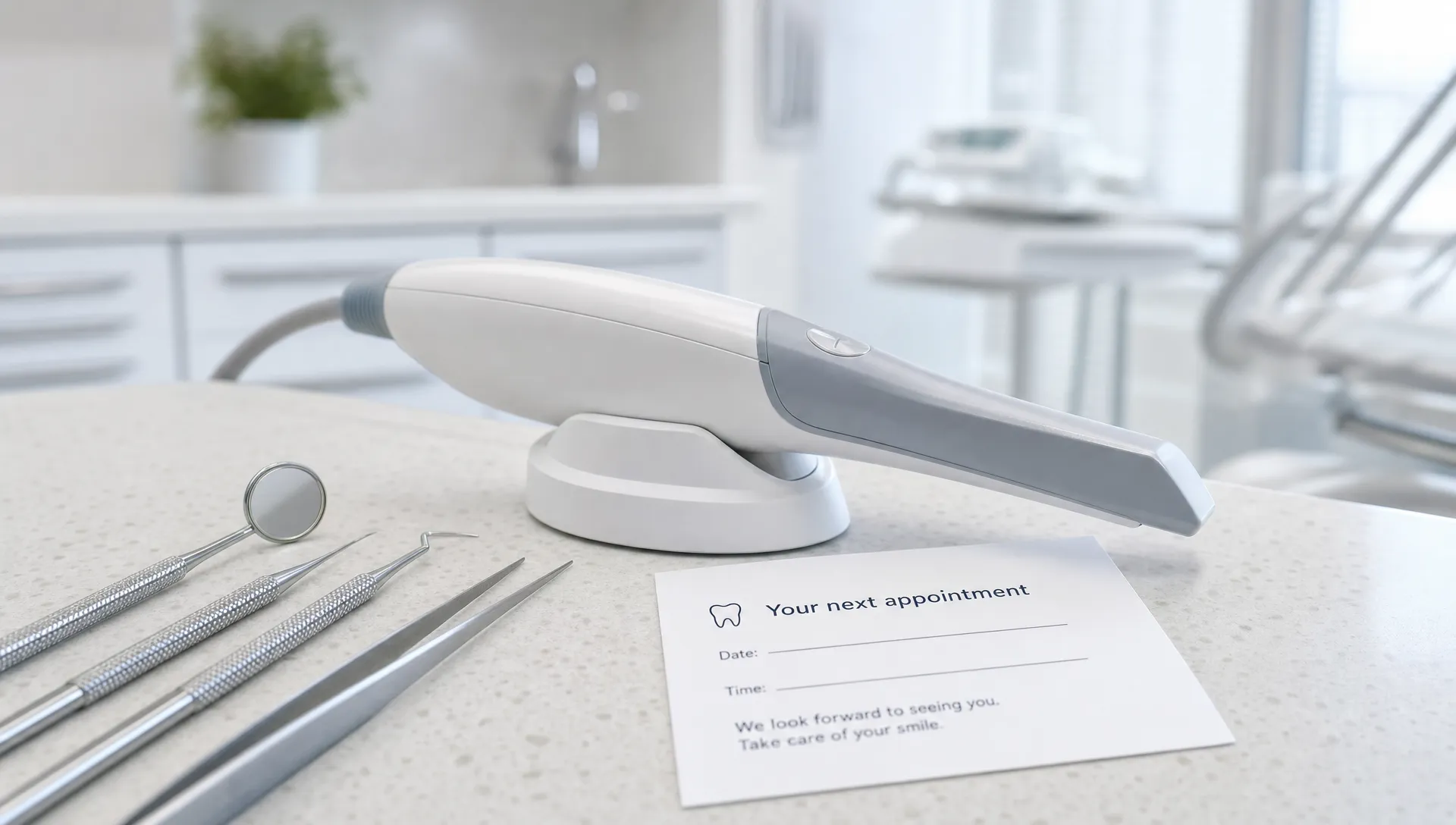
For many people, the hardest part of dental care is not the treatment itself. It is the anticipation: the sound of equipment, uncertainty about what will happen, worries about discomfort, or concern about cost and time. This is exactly where advanced dentistry can make a meaningful difference.
Modern dental care is no longer just about fixing teeth after something goes wrong. It is increasingly focused on prevention, early diagnosis, calmer appointments and treatment planning that respects the person in the chair. When advanced technology is paired with compassionate communication, dental visits can feel more predictable, efficient and comfortable.
If you have delayed a check-up because of anxiety, sensitivity or a previous unpleasant experience, understanding how modern dentistry works may help you feel more in control before your next appointment.
What “advanced dentistry” really means
Advanced dentistry does not mean treatment has to feel complicated or intimidating. In a patient-centred clinic, it usually means using modern tools, refined techniques and thoughtful systems to make care more accurate, comfortable and tailored.
That may include digital imaging, improved diagnostic tools, minimally invasive treatment approaches, better local anaesthetic techniques, clearer treatment planning and a calmer patient experience from booking through to aftercare. Just as importantly, it includes dentists and dental teams who take the time to explain what they are doing and why.
The goal is simple: to help patients receive the right care earlier, with less uncertainty and as little discomfort as possible.
At Toorak Village Dental Care, this approach is reflected in a focus on compassionate care, advanced technology and tailored treatment plans for general, cosmetic, emergency and family dentistry.
Why comfort matters more than many people realise
Dental comfort is not a luxury. It directly affects whether people attend regular check-ups, seek help early and follow through with necessary treatment.
When visits feel stressful, it is easy to put them off. Unfortunately, small problems can then become bigger ones. A minor cavity may progress to a painful infection. Early gum inflammation can become more difficult to manage. A small chip may turn into a larger fracture.
Advanced dentistry helps reduce this cycle by making visits feel more manageable. When patients trust that their dentist will listen, explain options clearly and use appropriate techniques to minimise discomfort, they are more likely to keep up with preventive care.
The Australian Dental Association’s patient resources also emphasise the importance of regular dental visits and good daily oral care. Technology can support this, but comfort and trust are often what make consistency possible.
More precise diagnostics can mean less invasive treatment
One of the biggest comfort advantages of advanced dentistry is earlier and more accurate detection.
Modern diagnostic tools can help dentists identify issues before they become painful or complex. This matters because earlier treatment is often simpler, faster and more conservative. For example, detecting tooth decay at an early stage may allow a dentist to preserve more healthy tooth structure. Identifying gum concerns early can support preventive care before more advanced periodontal treatment is needed.
Precision also reduces guesswork. When a dentist can clearly see what is happening, they can explain the issue more confidently and recommend a treatment plan that fits the patient’s needs.
For patients, that means fewer surprises. You are not just being told that something needs attention. You can often be shown what is happening, understand the reason for treatment and ask questions before deciding how to proceed.
Clear explanations reduce anxiety
Technology can improve clinical care, but communication is what makes it feel human.
Many patients feel anxious because they do not know what to expect. A modern dental visit should involve clear explanations, realistic timelines and consent at each stage. Instead of feeling like treatment is happening “to” you, you should feel involved in the process.
Helpful communication may include:
- Explaining what the dentist is checking during an examination.
- Showing images or X-rays when appropriate so you can understand the diagnosis.
- Discussing treatment options, including benefits, limitations and likely next steps.
- Checking in during treatment to make sure you are comfortable.
- Providing aftercare instructions in plain language.
This kind of communication is especially important for patients who have had a negative dental experience in the past. Knowing that you can pause, ask questions or discuss concerns can make the whole visit feel safer.
Modern pain control supports gentler treatment
A common reason people avoid the dentist is fear of pain. Advanced dentistry addresses this in several ways, including improved local anaesthetic techniques, careful pacing and treatment planning that considers sensitivity and anxiety.
Local anaesthetic is used to numb specific areas for many restorative and surgical procedures. Modern techniques allow dentists to work carefully while helping patients remain comfortable. The experience can vary depending on the treatment, your medical history and the condition being treated, which is why it is important to discuss concerns before the appointment begins.
For some patients, comfort is also about reducing sensory triggers. A calm explanation before each step, breaks during longer procedures and a gentle chairside manner can make a significant difference.
Pain control is not only about medication. It is about preparation, trust and making sure the patient knows they are not expected to simply “put up with it”.
Minimally invasive dentistry helps preserve healthy teeth
Minimally invasive dentistry focuses on preserving as much natural tooth structure as possible. Instead of waiting until a problem becomes severe, the aim is to prevent disease, diagnose early and choose the most conservative effective treatment.
This can improve comfort because smaller interventions are often easier to tolerate than more extensive procedures. It can also reduce the likelihood of needing urgent care later.
For example, preventive advice, fluoride treatments where appropriate, fissure sealants for children, early restorative care and ongoing monitoring can all help manage risk before a tooth becomes painful. Not every concern requires immediate complex treatment, and not every treatment plan looks the same for every patient.
The best approach is personalised. Your dentist should consider your oral health, goals, lifestyle, budget and level of comfort when recommending care.
How advanced dentistry improves different parts of the visit
Comfort is not created by one single piece of equipment. It is the result of many small improvements working together throughout the appointment.
| Part of the visit | Common patient concern | How advanced dentistry can help |
|---|---|---|
| Booking | Difficulty finding time or making the first call | Online appointment booking can make scheduling easier and less stressful. |
| Examination | Worry about what the dentist will find | Modern diagnostics and clear explanations help patients understand what is happening. |
| Treatment planning | Fear of unexpected costs or procedures | Tailored plans can break care into clear stages and explain priorities. |
| Procedures | Fear of pain or sensitivity | Careful local anaesthetic techniques and check-ins can improve comfort. |
| Cosmetic care | Concern about results looking unnatural | Planning and shade assessment can support more natural-looking outcomes. |
| Follow-up | Uncertainty after treatment | Clear aftercare instructions help patients know what is normal and when to call. |
When each stage is handled thoughtfully, the overall experience becomes less overwhelming.
Cosmetic dentistry can feel more approachable
Cosmetic dentistry is often associated with dramatic transformations, but many patients simply want to feel more confident when they smile. Advanced dentistry can make cosmetic care more approachable by improving planning, predictability and comfort.
For example, teeth whitening is a popular option for patients who want a brighter smile without more involved cosmetic work. Professional whitening also allows suitability to be assessed first, which is important because sensitivity, existing restorations and oral health conditions can affect the best approach.
If whitening is something you are considering, Toorak Village Dental Care provides an in-chair whitening offer for suitable patients, with treatment designed to brighten the smile in about one hour.
Cosmetic care should never feel rushed. A comfortable experience starts with discussing your goals, checking your oral health and understanding what result is realistic for your teeth.
Children benefit from a modern, gentle approach
Advanced dentistry is not only for adults. Children can benefit enormously from comfortable, positive early dental experiences.
A child who feels safe at the dentist is more likely to develop healthy long-term habits. Gentle examinations, age-appropriate explanations and preventive care can help children understand that dental visits are a normal part of looking after their health.
Modern children’s dentistry often focuses on prevention, monitoring growth and development, protecting vulnerable teeth and helping families build effective home routines. For parents, clear communication is just as important. Understanding what is normal, what needs attention and how to support brushing and diet at home can reduce stress.
Toorak Village Dental Care supports children’s dentistry and children’s dental benefits, helping families access care in a more practical and reassuring way.
Emergency care feels easier when you know what to expect
Dental emergencies are rarely comfortable, but advanced dentistry can make urgent visits less frightening.
If you have severe toothache, swelling, a broken tooth, a knocked tooth or pain after an injury, quick assessment matters. Modern diagnostic tools help dentists identify the cause of pain and recommend appropriate next steps, whether that involves temporary relief, restorative care, root canal therapy, wisdom teeth assessment or another treatment pathway.
Comfort during an emergency also depends on communication. Patients are often distressed, sleep-deprived or worried about losing a tooth. A calm explanation of what is happening and what can be done first can help restore a sense of control.
If you are experiencing facial swelling, fever, difficulty breathing or difficulty swallowing, seek urgent medical care immediately, as these symptoms can indicate a serious infection.
Tailored treatment plans reduce overwhelm
One of the most underrated comfort benefits of advanced dentistry is better planning.
Many patients worry that a dental appointment will lead to a long list of treatments they cannot manage all at once. A tailored plan helps separate what is urgent, what is preventive and what is optional.
This gives you the ability to make informed decisions. You can ask what needs attention now, what can be monitored and what options exist for improving function or appearance over time.
Payment flexibility can also reduce stress. Toorak Village Dental Care offers interest-free payment plans, which may help suitable patients manage treatment costs in a more predictable way. Financial comfort is part of patient comfort, especially when dental care involves staged treatment.
What to ask if you want a more comfortable dental visit
If comfort is a priority, it is worth speaking openly with your dentist before treatment begins. Dentists are used to helping nervous patients, and sharing your concerns early gives the team a chance to adapt the appointment.
Consider asking:
- Can you explain each step before you do it?
- Can we agree on a signal if I need a break?
- What options are available to help reduce sensitivity or discomfort?
- How long is the appointment likely to take?
- Are there different treatment options for my situation?
- What should I expect after the appointment?
These questions are not inconvenient. They help your dental team provide care in a way that suits you.
How to prepare for a calmer appointment
Comfort starts before you sit in the chair. A few simple steps can make the visit feel more manageable.
Try to book a time of day when you are less rushed. If mornings are calmer, choose a morning appointment. If you feel anxious, tell the clinic when booking so the team is aware. Bring a list of medications, health conditions and questions you want answered.
It can also help to avoid searching too much online right before the appointment. General information can be useful, but it cannot replace a diagnosis from a dentist who has examined your mouth. Online stories can also make anxiety worse because they often focus on unusual or negative experiences.
Most importantly, remember that attending the appointment does not commit you to every possible treatment. A check-up is a chance to gather information, understand your options and decide on the next step.
Advanced dentistry works best with compassionate care
The most comfortable dental visits happen when technology and empathy work together.
A scanner, X-ray or modern treatment technique can improve accuracy, but it is the dentist’s judgement and communication that shape the experience. Patients need to feel heard, not hurried. They need recommendations that match their health needs and personal circumstances. They need a team that recognises that comfort is physical, emotional and practical.
This is especially true for people returning to dental care after a long break. Feeling embarrassed about the condition of your teeth is common, but it should never stop you from seeking help. A supportive dental team will focus on solutions, not judgement.
Frequently Asked Questions
Can advanced dentistry make dental treatment pain-free? Advanced dentistry can greatly improve comfort, but no healthcare provider can guarantee that every procedure will be completely pain-free. Modern anaesthetic techniques, careful planning and clear communication can help reduce discomfort and anxiety.
Is advanced dentistry only for cosmetic treatments? No. Advanced dentistry supports general check-ups, preventive care, fillings, root canal therapy, dental implants, wisdom teeth removal, emergency care, children’s dentistry and cosmetic treatments.
What if I feel nervous before seeing the dentist? Tell the clinic when you book and remind the dental team when you arrive. You can ask for explanations, breaks during treatment and a stop signal so you feel more in control.
Does modern dental technology make appointments faster? It can, depending on the procedure. More precise diagnostics and efficient planning may reduce uncertainty and help appointments run more smoothly, although treatment time varies by patient and clinical need.
How often should I visit the dentist? Many people benefit from regular check-ups every six to twelve months, but your ideal schedule depends on your oral health, risk factors and your dentist’s recommendation.
Feel more comfortable about your next dental visit
Advanced dentistry is about more than modern equipment. It is about making care feel clearer, calmer and more personalised, from your first conversation through to treatment and follow-up.
If you are looking for a Toorak dentist who combines compassionate care, advanced technology and tailored treatment planning, Toorak Village Dental Care can help you take the next step with confidence. You can book an appointment online and discuss your concerns, goals and options with a team focused on making dental care feel more comfortable.
Disclaimer
The information provided on this website is for general informational and educational purposes only. It is not intended to replace professional dental advice, diagnosis or treatment. Dental needs and treatment outcomes vary between individuals. Always seek advice from a qualified dental practitioner regarding your specific circumstances before making decisions about your oral health or treatment. A consultation and clinical assessment are required to determine which treatment options may be suitable for you. All dental procedures carry potential risks and benefits, which will be discussed with you before treatment.