

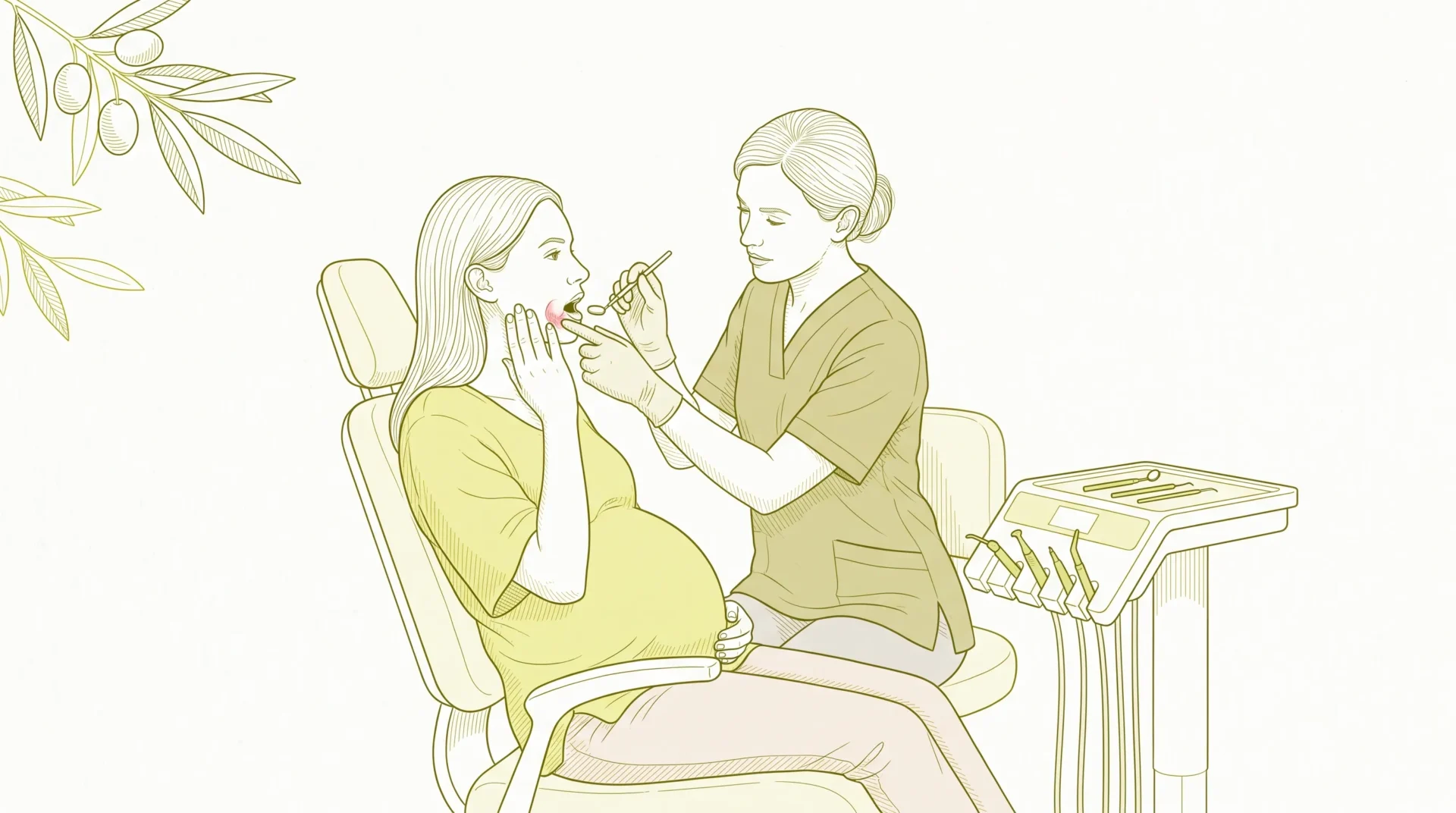
Pregnancy can raise practical questions about dental visits, gum changes, X-rays, tooth pain and which treatments should wait. A family health dental clinic can help you understand what is routine, what may need prompt attention and what should be discussed with your pregnancy care provider.
In general, dental check-ups and preventive care can be considered during pregnancy. If you have toothache, swelling, bleeding gums or a broken tooth, it is usually better to seek advice rather than wait until after the baby is born. Your dentist can assess your situation, explain the potential benefits, limitations and risks of care, and tailor recommendations to your pregnancy stage, medical history and symptoms.
Is dental care safe during pregnancy?
Many routine dental appointments can be appropriate during pregnancy, particularly when they help manage pain, infection, gum inflammation or tooth decay. The key is to tell your dentist that you are pregnant, how many weeks along you are and whether your GP, midwife or obstetrician has given you any specific medical advice.
Pregnancy Birth and Baby explains that dental health is part of general health during pregnancy, and that regular dental care may still be needed. This is especially relevant if pregnancy symptoms have changed your eating patterns, reflux, vomiting or oral hygiene routine.
Dental care during pregnancy is not one size fits all. Suitability depends on factors such as your oral health, the urgency of the concern, any medications you take, your pregnancy stage and your comfort in the dental chair. All dental procedures carry potential risks and benefits, so your dentist should explain options clearly before treatment.
Why pregnancy can affect your teeth and gums
Pregnancy does not automatically damage teeth. However, hormonal changes and everyday pregnancy symptoms can affect the mouth in several ways.
Gums may become more sensitive because pregnancy hormones can change how gum tissues respond to plaque, the sticky film of bacteria that builds up on teeth. Some people notice bleeding when brushing or flossing, swelling around the gumline or tenderness when eating. This is often called pregnancy gingivitis, but bleeding gums should still be checked because gum disease can vary in severity.
Morning sickness, reflux or frequent vomiting can expose teeth to stomach acid. Acid temporarily softens the enamel surface, which can increase wear if you brush straight away. Rinsing with water after vomiting and waiting before brushing may help reduce irritation to the teeth. If vomiting is frequent, your dentist can suggest practical ways to protect enamel.
Cravings, nausea and smaller frequent meals can also change your decay risk. Sugary snacks, sweet drinks or sipping drinks over long periods can give bacteria more opportunities to produce acids. This does not mean you need a strict or unrealistic routine, but small habits can make a difference.
When should you book a dental appointment during pregnancy?
If you already see a dentist regularly, let the clinic know you are pregnant when you book. If you have not had a dental check-up for some time, pregnancy can be a sensible time to arrange an assessment, particularly if you have gum bleeding, tooth sensitivity, pain or concerns about decay.
The timing of care depends on what you need. Preventive care and assessment may be arranged at different stages, while urgent problems should not be ignored.
| Pregnancy stage | Dental care considerations |
|---|---|
| Before pregnancy or early pregnancy | A check-up can identify existing decay, gum inflammation or wisdom tooth concerns before they become harder to manage. |
| First trimester | Tell your dentist about nausea, medications and any medical advice. Urgent concerns can still be assessed. |
| Second trimester | Many people find this a more comfortable time for necessary non-urgent dental treatment, depending on individual circumstances. |
| Third trimester | Care may still be possible, but lying back can feel uncomfortable. Shorter visits, positioning changes or delaying elective care may be discussed. |
| After birth | A review may be useful if symptoms were postponed or if morning sickness affected enamel and gums. |
If you are unsure whether a concern can wait, call the dental clinic and describe your symptoms. A receptionist or dental team member may guide you on whether an appointment is appropriate, but diagnosis requires a clinical assessment.
What dental treatments can be considered while pregnant?
The answer depends on the reason for treatment. Necessary care is different from elective cosmetic treatment.
| Treatment or service | How it may be approached during pregnancy |
|---|---|
| Dental check-up | Often appropriate to assess teeth, gums and symptoms. |
| Professional clean | May be recommended if plaque, tartar or gum inflammation is present. |
| Fillings | May be considered if decay is causing symptoms or is likely to worsen. |
| Dental X-rays | Used only when clinically needed. Your dentist can explain why imaging is recommended and what precautions are relevant. |
| Local anaesthetic | May be used when needed. Your dentist considers the type, dose, medical history and pregnancy details. |
| Antibiotics or pain relief | Should be selected carefully. Tell your dentist about all medicines and check with your maternity care provider or pharmacist if advised. |
| Root canal therapy or extraction | May be considered when infection, significant pain or dental damage requires treatment. Delaying care is not always the safer option. |
| Teeth whitening or elective cosmetic dentistry | Often postponed until after pregnancy because these treatments are usually not medically necessary and suitability varies. |
If a treatment is recommended, ask why it is needed now, what could happen if it is delayed and whether there are alternative options. Your dentist can also liaise with your GP, midwife or obstetrician if your medical situation is more complex.
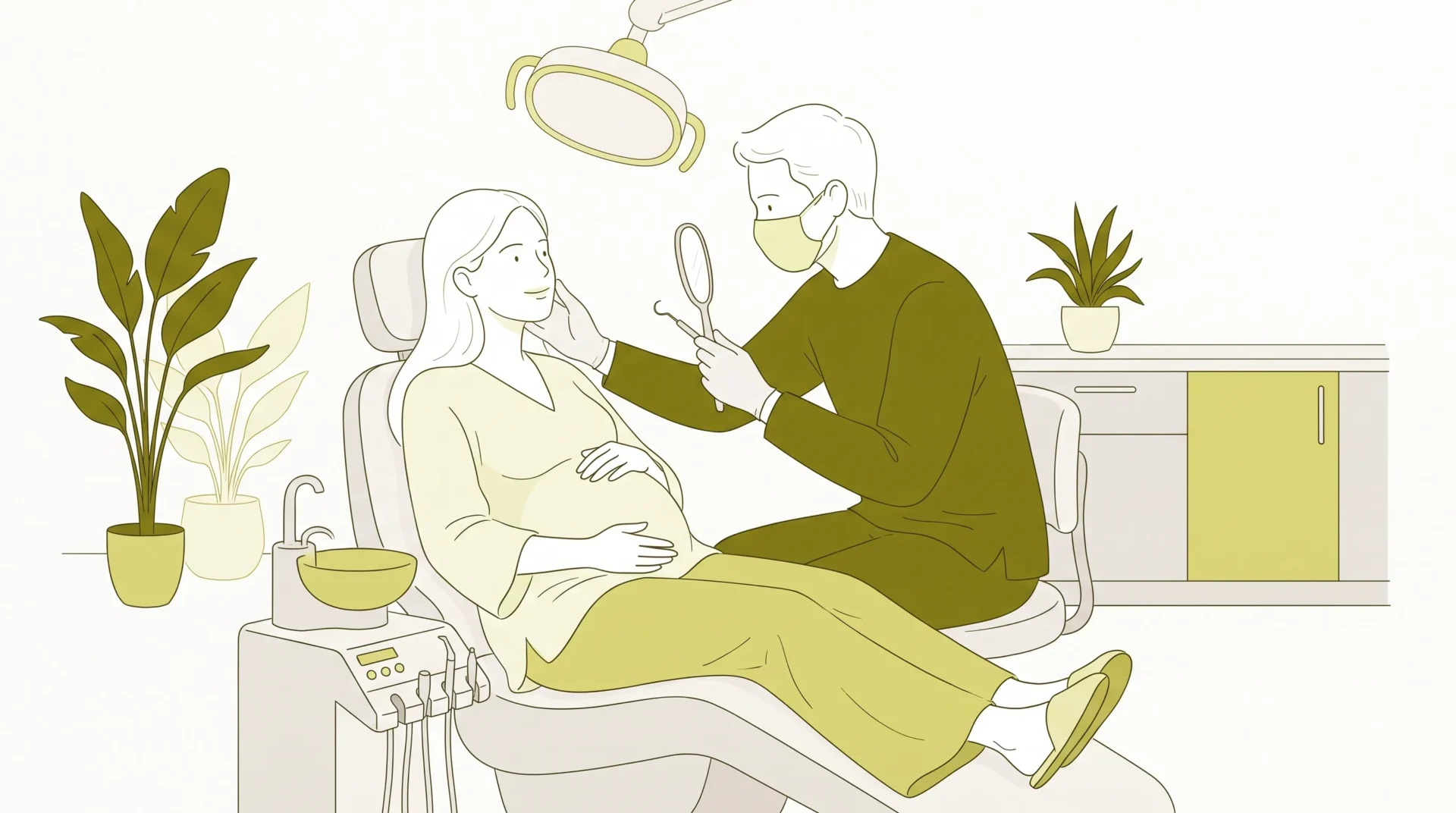
What happens at a pregnancy dental appointment?
A pregnancy dental visit should start with a conversation. Your dentist may ask about your due date, trimester, medical history, pregnancy complications, allergies, medications, supplements and whether you have nausea, reflux or difficulty lying back.
The appointment may include an examination of your teeth, gums, bite and any painful areas. If you have gum bleeding, your dentist may check for plaque and tartar along the gumline. If you have toothache, they may assess for decay, cracks, infection, gum problems or wisdom tooth issues.
You can expect your dentist to explain findings in plain language and discuss options. These may include monitoring, a professional clean, home care changes, a filling, referral to another dental practitioner or contacting your medical team before proceeding.
If you feel anxious, nauseous or uncomfortable lying flat, say so early. Small adjustments such as pausing, changing the chair angle or scheduling a shorter appointment may make the visit easier to manage. Comfort strategies vary between patients and should be matched to your needs.
How a family health dental clinic can support pregnancy dental care
A family health dental clinic is often used by patients who want one place for preventive care, urgent dental concerns and advice for different life stages. During pregnancy, this can be helpful because your own oral health, future baby care and other family routines may overlap.
For example, you may want advice about bleeding gums now, then later ask when your baby should have their first dental visit. Toorak Village Dental Care has a helpful guide on family dental care at every age if you are thinking ahead to oral health for your growing family.
If tooth pain develops during pregnancy, it can be difficult to know whether to call a dentist, GP or maternity care provider first. This guide to dentist or GP for tooth pain explains common situations and when dental assessment may be more appropriate.
For patients in Toorak, South Yarra, Armadale, Prahran, Malvern or nearby Melbourne suburbs, choosing a local clinic can also make follow-up appointments more practical. If you are weighing up appointment timing, costs, access or communication style, it may help to read about how to choose a dental clinic that suits your needs.
Pregnancy often involves juggling routine health and personal care appointments. If you are travelling or arranging non-dental services, such as personalised hair and scalp appointments, ask the provider what products are used and speak with your maternity care team if you are unsure. For dental visits, make sure your dentist knows about your pregnancy and any advice from your medical team.
Home care tips for teeth and gums during pregnancy
Small changes can help protect your mouth when pregnancy symptoms make normal routines harder. If you are vomiting often, feeling exhausted or eating more frequently, aim for practical habits rather than perfection.
- Brush twice daily with fluoride toothpaste, using a soft toothbrush if gums feel tender.
- Clean between teeth with floss or interdental brushes if you can do so comfortably.
- Rinse with water after vomiting or reflux, then wait before brushing to reduce enamel irritation.
- Drink water often, particularly after snacks or sweet drinks.
- Try to keep sugary foods and drinks to mealtimes where practical, rather than grazing for long periods.
- If toothpaste taste triggers nausea, ask your dentist about alternatives rather than stopping brushing altogether.
If your gums bleed when brushing, avoid scrubbing harder. Gentle, consistent cleaning is usually more useful than force. Bleeding that continues, worsens or comes with swelling, bad taste or loose teeth should be assessed.
When should you seek prompt dental advice?
Some dental symptoms should be checked sooner rather than postponed until after birth. Prompt advice may be appropriate if you notice:
- Toothache that does not settle
- Facial or gum swelling
- Pus, a bad taste or a pimple-like swelling on the gum
- Fever with dental pain
- A broken tooth with pain or sharp edges
- Difficulty opening your mouth, swallowing or breathing
- Trauma to the mouth or teeth
Difficulty breathing or swallowing needs urgent medical attention. For other symptoms, a dental assessment can help identify the cause and whether treatment, monitoring or referral may be appropriate.
What about the baby’s future dental health?
Your oral health during pregnancy is also a good time to learn about early childhood dental habits. After your baby is born, your dentist can advise on cleaning gums and baby teeth, feeding-related decay risks and when to arrange a first dental visit.
Many families find it useful to discuss children’s dental care before problems arise. If you are preparing for this stage, the Toorak Village guide to your child’s first dental visit explains what parents can expect and how to make the appointment feel familiar.
Frequently Asked Questions
Can I go to the dentist while pregnant? Yes, many pregnant patients can attend dental check-ups and receive necessary care. Tell your dentist that you are pregnant so they can consider your trimester, medical history and any advice from your pregnancy care team.
Are dental X-rays allowed during pregnancy? Dental X-rays are not taken routinely without a reason. If imaging is needed to assess pain, infection or damage, your dentist can explain why it is recommended, what precautions are relevant and whether alternatives are suitable.
Why are my gums bleeding during pregnancy? Hormonal changes can make gums more reactive to plaque, so bleeding or tenderness may occur. This can be a sign of gum inflammation and should be assessed if it persists, worsens or comes with swelling or bad taste.
Should I delay a filling until after pregnancy? It depends on the tooth, symptoms and risk of the problem worsening. A small issue may sometimes be monitored, but decay, pain or infection may need treatment during pregnancy. Your dentist can explain the options after examining the tooth.
Is teeth whitening recommended during pregnancy? Teeth whitening is usually elective, and many dentists recommend postponing it until after pregnancy. If you are considering whitening, ask your dentist to assess your teeth and discuss timing, risks and alternatives.
What should I do if I have toothache while pregnant? Contact a dentist for advice, especially if pain is ongoing, severe or linked with swelling, fever or a bad taste. Avoid self-medicating without checking with a suitable health professional, as some medicines may not be appropriate during pregnancy.
Dental care during pregnancy in Toorak
If you are pregnant and have questions about gum bleeding, tooth pain, X-rays or which treatments should wait, a dental examination can help clarify what is happening and which options may be appropriate.
Toorak Village Dental Care provides general and family dental care in Toorak. To discuss your concerns, you can contact the clinic to arrange an assessment and speak with a dentist about the potential benefits, risks and alternatives that apply to your circumstances.
Disclaimer
The information provided on this website is for general informational and educational purposes only. It is not intended to replace professional dental advice, diagnosis or treatment. Dental needs and treatment outcomes vary between individuals. Always seek advice from a qualified dental practitioner regarding your specific circumstances before making decisions about your oral health or treatment. A consultation and clinical assessment are required to determine which treatment options may be suitable for you. All dental procedures carry potential risks and benefits, which will be discussed with you before treatment.