

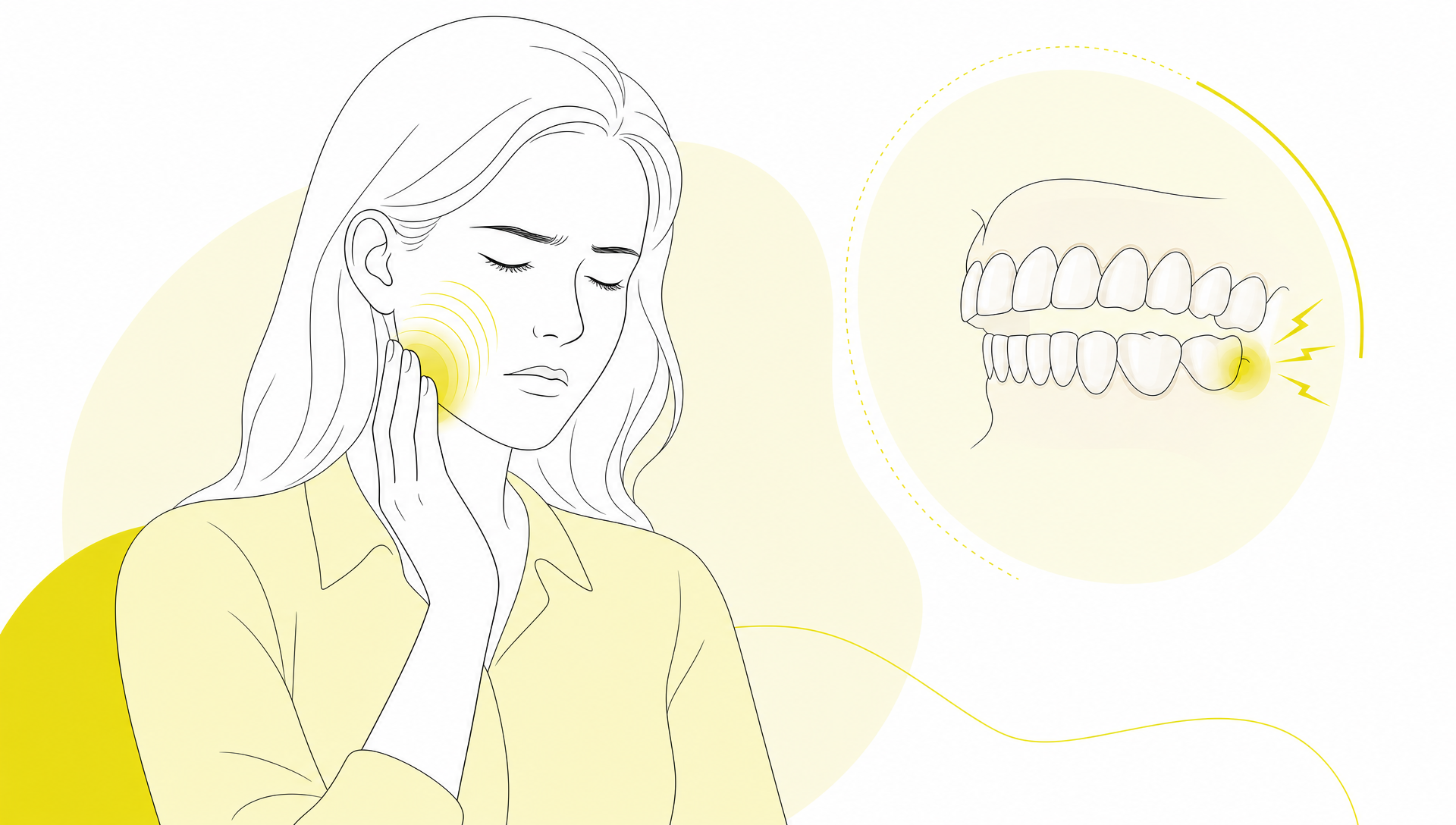
Tooth pain is usually best assessed by a dentist, because many causes start in the teeth, gums, jaw or surrounding tissues. If you are searching for a tooth doctor dental clinic in Toorak, the key question is whether your symptoms are dental, medical, or urgent enough for hospital care.
A GP can be helpful in some situations, especially if your symptoms may be related to a medical condition, sinus infection, medication issue, or spreading illness. However, a GP cannot usually repair a tooth, remove decay, treat a cracked filling, manage an infected dental nerve, or address wisdom tooth problems directly.
The practical answer is this: for tooth pain, contact a dentist first unless you have signs of a medical emergency. If you are unsure, phone a dental clinic, GP clinic, Nurse On Call in Victoria, or 000 for serious symptoms.
Dentist or GP for tooth pain? A quick guide
Tooth pain can feel confusing because it does not always stay in one spot. It may travel into the jaw, ear, cheek, temple, neck, or sinus area. This can make it difficult to tell whether the source is dental or medical.
The table below can help you decide who to contact first. It is general information only and is not a diagnosis.
| Symptom or situation | Who to contact first | Why |
|---|---|---|
| Sharp pain when biting, chewing, or releasing pressure | Dentist | This may relate to a crack, filling, decay, gum inflammation, or the nerve inside the tooth. |
| Lingering sensitivity to hot, cold, or sweet foods | Dentist | Sensitivity can be caused by enamel wear, exposed roots, decay, cracks, or nerve inflammation. |
| Gum swelling, a pimple on the gum, pus, or a bad taste | Dentist promptly | These can be signs of a dental infection or abscess that may need dental treatment. |
| Facial swelling, fever, feeling very unwell, or swelling spreading toward the eye, neck, or under the jaw | Urgent medical care, hospital emergency department, or 000 if severe | Spreading infections can become serious and may need urgent medical assessment. |
| Toothache with blocked nose, sinus pressure, or recent cold symptoms | Dentist or GP, depending on symptoms | Sinus problems can sometimes feel like upper tooth pain, but dental causes still need to be considered. |
| Jaw pain, headaches, or soreness on waking | Dentist, and sometimes GP if symptoms are broad | Teeth grinding, jaw joint issues, stress, sleep concerns, or other medical factors may be involved. |
| Mouth ulcer, lump, or sore patch that does not heal within two weeks | Dentist or GP | Persistent mouth changes should be professionally assessed. |
| Dental trauma, knocked tooth, broken tooth, or bleeding after an injury | Dentist urgently, or emergency department if there is facial injury, heavy bleeding, or head injury | Trauma may affect teeth, bones, soft tissues, or general health. |
When a tooth doctor dental clinic is the right place to start
A dental clinic is usually the most appropriate first contact when the pain seems to come from a tooth, gum, filling, crown, wisdom tooth, or jaw function. Dentists are trained to assess the mouth and supporting structures, and they can use dental X-rays and specific tooth tests where clinically appropriate.
Common dental causes of tooth pain include tooth decay, cracked teeth, leaking or broken fillings, gum disease, tooth abscesses, wisdom tooth inflammation, exposed tooth roots, and trauma. Some people also experience dental pain from clenching or grinding, especially if they wake with jaw tightness or headaches.
According to Healthdirect’s information on toothache, toothache can have a range of causes and should be assessed by a dentist if it does not improve or if there are signs of infection. This is important because pain relief alone may not address the underlying issue.
A dentist may recommend different options depending on the diagnosis. These may include monitoring, a filling, replacing a restoration, gum treatment, root canal treatment, extraction, a night guard, or referral for more complex care. The appropriate option depends on your oral health, symptoms, medical history, tooth condition, personal preferences, and the risks and benefits of treatment.
When a GP may be the better first contact
A GP may be the right starting point if your symptoms seem broader than the tooth itself. This may include facial pain linked to sinus symptoms, ear symptoms, general illness, medication side effects, nerve pain conditions, or other health concerns.
For example, upper back teeth can sometimes ache when the sinuses are inflamed. Jaw or facial pain may also overlap with headaches, ear problems, neck tension, or general medical conditions. In these cases, a GP can assess non-dental causes and advise whether medical treatment or further referral is needed.
A GP may also be involved if you have a dental infection and are systemically unwell, meaning the infection may be affecting your general health. Even then, dental treatment is often still needed to address the source of the infection. Antibiotics, when appropriate, do not usually remove the cause of a dental abscess on their own.
If you are new to local dental care or have not seen a dentist in some time, our guide to dental care in Australia for new and returning patients explains what a dental appointment commonly involves and how private dental care works in Australia.
When tooth pain may need urgent medical care
Some symptoms should not wait for a routine dental appointment. Dental infections can sometimes spread beyond the tooth and gum. While this is not the most common outcome, it can be serious when it occurs.
Seek urgent medical care, attend an emergency department, or call 000 if you have tooth or jaw pain with:
- Difficulty breathing or swallowing
- Swelling under the jaw, around the eye, or spreading through the face or neck
- Fever, chills, confusion, or feeling very unwell
- Drooling or difficulty opening the mouth
- Uncontrolled bleeding after an injury or dental procedure
- A knocked-out adult tooth, especially after facial trauma
- Severe facial injury, suspected broken jaw, or head injury
Healthdirect’s dental abscess information advises seeking urgent care if symptoms suggest a spreading infection, such as facial swelling, fever, or difficulty breathing or swallowing.
If you have a knocked-out adult tooth, handle it carefully by the crown, not the root, and seek urgent dental advice. Do not scrub the root. If it is safe and possible, the tooth may be placed back into the socket or stored in milk while you seek care. A dentist or emergency service can guide you based on the situation.
What a dentist may do at a tooth pain appointment
A tooth pain appointment is usually focused on finding the cause of the pain and discussing appropriate options. It is not always possible to complete definitive treatment at the first visit, especially if the tooth needs complex care, if swelling is present, or if more information is required.
Your dentist may:
- Ask when the pain started, what triggers it, and whether it lingers
- Review your medical history, medications, allergies, and previous dental treatment
- Examine the painful tooth, gums, bite, jaw, and surrounding soft tissues
- Tap or gently test teeth to check for sensitivity or nerve involvement
- Take dental X-rays if clinically appropriate
- Discuss possible causes, treatment options, costs, timeframes, risks, and alternatives
In some cases, short-term care may be recommended first, such as smoothing a sharp edge, placing a temporary dressing, draining an infection where appropriate, or prescribing medication if clinically indicated. In other cases, the dentist may explain longer-term options such as a filling, root canal therapy, wisdom tooth assessment, or removal of a tooth that cannot be predictably restored.
All dental procedures carry potential risks and benefits. Treatment suitability can only be assessed after an examination, and outcomes vary between patients.
What you can do while waiting for an appointment
While you are waiting to speak with a dentist or GP, simple self-care may help reduce irritation. These steps do not replace professional assessment, especially if pain is persistent, worsening, or associated with swelling.
You may consider:
- Taking over-the-counter pain relief according to the packet directions, if it is safe for you
- Asking a pharmacist or GP for advice if you are pregnant, taking blood thinners, have stomach ulcers, kidney disease, asthma, allergies, or other medical conditions
- Rinsing gently with warm salty water if your gums feel irritated
- Carefully cleaning around the area in case food is trapped
- Avoiding very hot, cold, sweet, or hard foods if they trigger pain
- Using a cold pack on the outside of the cheek for short periods if there is swelling or bruising
Avoid placing aspirin directly on the gum or tooth, as it can irritate or burn the soft tissues. Avoid taking leftover antibiotics, as they may be inappropriate for the cause and can contribute to antibiotic resistance. If medication is needed, it should be recommended by an appropriate health professional.
Why tooth pain can come and go
Some people delay dental care because the pain settles. It is understandable to hope the problem has resolved, especially if the discomfort was mild or brief. However, dental pain can come and go even when the underlying issue is still present.
For example, a cracked tooth may only hurt when you bite in a certain direction. A decayed tooth may be sensitive for a while before the nerve becomes more inflamed. An abscess may drain through the gum, which can temporarily reduce pressure and pain, but the infection source may remain.
This does not mean every twinge needs major treatment. It does mean that recurring, persistent, or unexplained tooth pain is worth assessing. Early assessment may allow your dentist to explain whether the tooth can be monitored, restored, protected, or treated before symptoms become more difficult to manage.
What if the pain is in your jaw, ear, or face?
Dental pain does not always feel like it is coming from a tooth. Pain from the jaw joint, chewing muscles, wisdom teeth, gum infections, or inflamed tooth nerves can be felt in nearby areas. Earache and toothache can also feel similar because nerves in the face and jaw are closely connected.
A dentist may check your bite, jaw movement, tooth wear, gum health, wisdom teeth, and the condition of your fillings or crowns. If the signs suggest a medical cause, your dentist may recommend seeing a GP or another healthcare professional.
A GP may be more appropriate if you have symptoms such as dizziness, ear discharge, widespread headache, sinus congestion, fever without clear dental signs, or general illness. Sometimes both a dentist and GP are involved, particularly when symptoms overlap.
Choosing who to contact in Toorak and nearby Melbourne suburbs
If you live or work around Toorak, South Yarra, Armadale, Prahran, Malvern, or Hawthorn, it can be helpful to contact a nearby dental clinic first when the pain feels tooth-related. A local clinic can usually advise whether your symptoms sound suitable for a dental appointment or whether urgent medical care may be more appropriate.
When choosing a clinic for tooth pain, consider practical factors such as appointment availability, clear communication, whether emergency dental concerns are assessed, and whether treatment options are explained in a way you understand. Our article on how to choose a dental clinic that suits your needs outlines useful questions to ask when comparing dental care providers.
It is also reasonable to ask about fees, payment options, and what may happen at the first appointment. Tooth pain appointments can vary depending on whether X-rays, temporary care, or additional treatment are needed.
Dentist or GP: the main takeaway
For most tooth pain, a dentist is the right first contact because they can assess and treat dental causes directly. A GP is appropriate when symptoms appear medical, when sinus or ear symptoms dominate, when you are generally unwell, or when you need broader medical assessment.
If symptoms are severe or suggest a spreading infection, especially difficulty breathing or swallowing, swelling spreading through the face or neck, or feeling very unwell, seek urgent medical care.
If you are unsure, it is safer to ask for guidance rather than waiting for symptoms to become clearer. A dental examination can help determine the likely cause of your symptoms and which options may be appropriate.
Frequently asked questions
Can a GP treat tooth pain? A GP can assess general health concerns, prescribe medication when clinically appropriate, and help with medical causes of facial pain. However, they usually cannot repair a tooth, remove decay, treat a cracked filling, or provide root canal treatment. A dentist is usually needed to diagnose and manage dental causes.
Should I see a dentist if antibiotics helped my tooth pain? Yes, it is still sensible to arrange a dental assessment. Antibiotics may reduce some infection symptoms in certain situations, but they do not usually remove the dental source, such as a dead nerve, abscessed tooth, or deep decay.
Can tooth pain be caused by sinus problems? Yes, sinus inflammation can sometimes feel like pain in the upper back teeth. Dental problems can also mimic sinus pain. If you have blocked nose, pressure in the cheeks, or recent cold symptoms, a GP may be helpful, but a dentist may still be needed if tooth symptoms persist.
Is tooth pain always an emergency? Not always. Mild sensitivity or a short-lived ache may not require emergency care, but persistent, worsening, or recurring pain should be assessed. Swelling, fever, difficulty swallowing or breathing, trauma, or feeling very unwell requires urgent advice.
What should I tell the dental clinic when I call? Mention where the pain is, when it started, what triggers it, whether you have swelling or fever, whether there has been trauma, and any medical conditions or medications. This helps the clinic guide you about appointment timing and whether urgent medical care may be needed.
Arranging an assessment in Toorak
If your tooth pain seems dental, Toorak Village Dental Care can assess general and emergency dental concerns in Toorak. Your dentist can examine the area, discuss likely causes, and explain the potential benefits, risks, costs, and alternatives for any treatment options that may be suitable.
To discuss your symptoms or arrange an appointment, you can contact Toorak Village Dental Care. If you have severe swelling, breathing or swallowing difficulty, or feel very unwell, seek urgent medical care or call 000.
Disclaimer
The information provided on this website is for general informational and educational purposes only. It is not intended to replace professional dental advice, diagnosis or treatment. Dental needs and treatment outcomes vary between individuals. Always seek advice from a qualified dental practitioner regarding your specific circumstances before making decisions about your oral health or treatment. A consultation and clinical assessment are required to determine which treatment options may be suitable for you. All dental procedures carry potential risks and benefits, which will be discussed with you before treatment.