

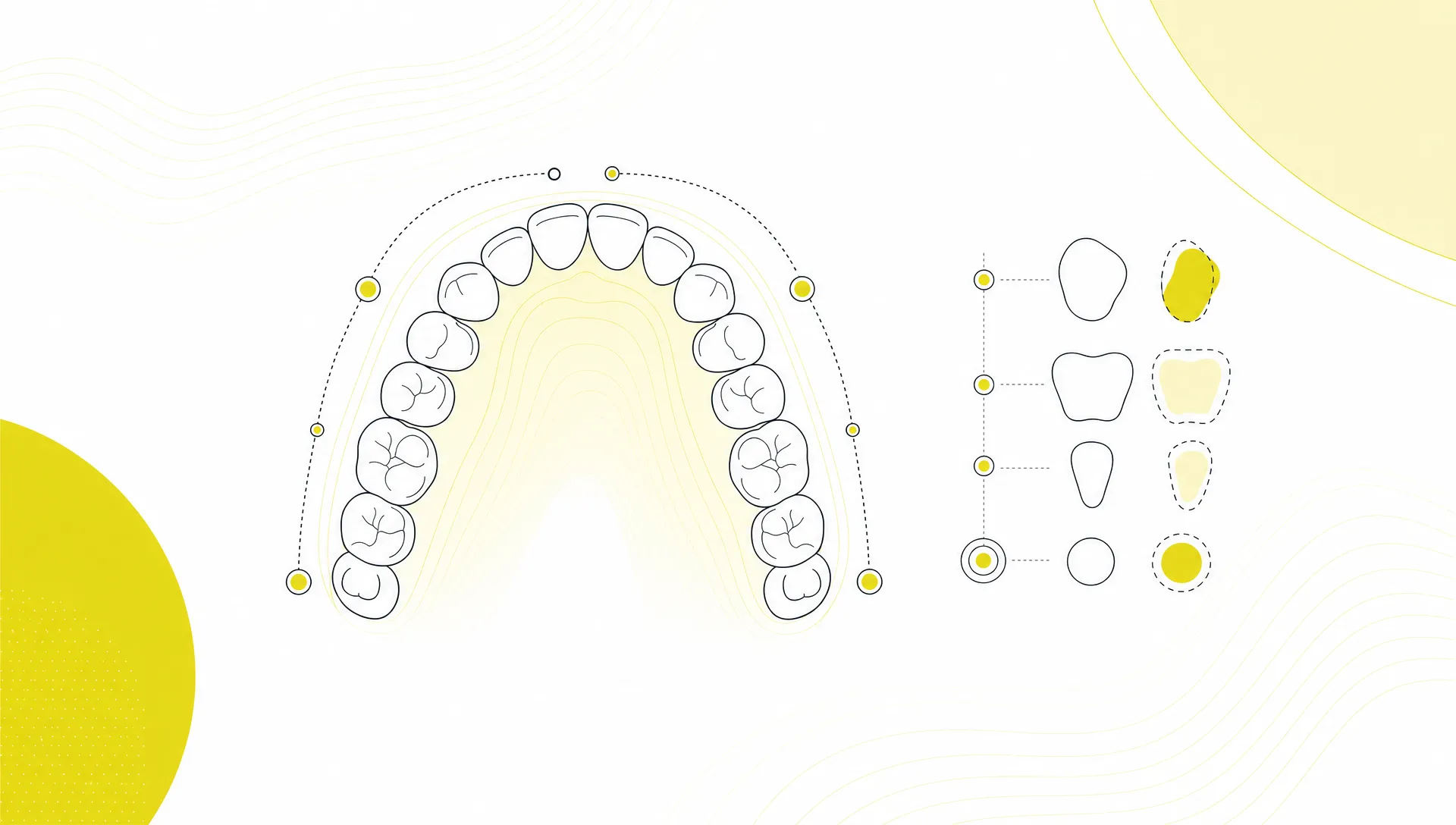
If you are new to Melbourne, returning to the dentist after time away, or simply trying to understand how dental care in Australia works, it helps to know what is usually available and what questions to ask. This dental care Australia guide explains the basics in practical terms, including appointments, costs, children’s benefits, emergencies and choosing a dentist around Toorak.
Dental care is personal. Some people visit regularly for preventive care, while others book only when something feels wrong. Neither situation should be met with judgement. A good dental appointment should give you clear information about your oral health, your options and what may be appropriate for your circumstances.
Dental care Australia guide: how the system works
In Australia, dental care is delivered through a mix of private dental clinics, public dental services and limited government programs. Most routine dental care for adults, such as check-ups, cleans, fillings and cosmetic treatments, is usually provided privately.
Medicare does not generally cover routine adult dental treatment. Public dental services may be available for eligible people, but eligibility, waiting times and available treatments vary by state or territory. In Victoria, public dental care is usually accessed through government-funded community dental services for eligible patients.
Private dental clinics, including clinics in areas such as Toorak, South Yarra, Armadale, Prahran, Malvern and Hawthorn, generally provide a broader range of general, restorative, emergency and cosmetic dental services. Fees vary between clinics and treatments, so it is reasonable to ask for a written treatment plan and cost estimate before proceeding.
For a general overview of oral health and dental services in Australia, healthdirect’s dental care information is a useful public health starting point.
What a new patient dental appointment may involve
A first appointment is usually about understanding your oral health, concerns and goals. It is not only about looking at your teeth. Your dentist may ask about your medical history, medicines, allergies, previous dental experiences, symptoms and any changes you have noticed.
Depending on your needs, a new patient visit may include:
- A discussion about your concerns, such as pain, bleeding gums, broken teeth, appearance, sensitivity or difficulty chewing.
- An examination of your teeth, gums, bite, jaw joints and soft tissues of the mouth.
- Dental X-rays if clinically indicated, for example to check areas not visible during the examination.
- A gum health assessment, especially if there is bleeding, looseness, recession or a history of periodontal disease.
- Advice about suitable treatment options, including potential benefits, risks, alternatives and likely timeframes.
- A treatment plan and estimate before treatment begins, where appropriate.
You can ask questions at any stage. If you are unsure about a recommended procedure, it is appropriate to ask why it has been suggested, what may happen if you delay or do nothing, and whether there are other options.
Returning to the dentist after time away
Many people put off dental visits because of cost, time, anxiety, previous experiences or simply because life becomes busy. Returning after a long break does not mean you will automatically need major treatment. It means your dentist can assess what is happening now and help you understand your options.
If you have not seen a dentist for several years, your appointment may focus on gathering up-to-date information. Small issues may be found early, or there may be more complex concerns that need staged care. In either case, a measured approach is usually best.
It can be useful to tell the dental team if you feel nervous, have a sensitive gag reflex, have difficulty lying back, or have had a difficult dental experience in the past. This helps your dentist adapt the appointment where possible and explain what is happening before treatment begins.
If you have overseas or previous Australian dental records, X-rays, implant details or orthodontic records, bring them along if they are available. If not, your dentist can still assess your current oral health.
Common reasons people book dental care in Australia
Patients visit a dentist for many different reasons. Some appointments are preventive, while others are problem-focused or cosmetic. The right pathway depends on your oral health, medical history, age, symptoms and preferences.
| Reason for visit | What your dentist may assess | Possible next steps |
|---|---|---|
| Routine check-up | Teeth, gums, bite, jaw and soft tissues | Preventive advice, cleaning, monitoring or treatment planning |
| Toothache or sensitivity | Decay, cracks, gum issues, wear or infection | X-rays if needed, pain assessment and suitable treatment options |
| Bleeding gums | Gum inflammation, cleaning habits and periodontal risk | Professional cleaning, home care advice or gum treatment planning |
| Broken or chipped tooth | Remaining tooth structure, bite pressure and symptoms | Smoothing, filling, crown discussion or other restorative options |
| Children’s dental visit | Growth, brushing, diet, tooth development and habits | Preventive care, fissure sealants where suitable or referral if needed |
| Cosmetic concern | Tooth colour, shape, alignment, wear and gum health | Whitening, bonding, veneers, orthodontic discussion or no treatment |
Cosmetic options should be considered carefully. For example, whitening may help lighten the shade of natural teeth for some patients, but it is not suitable for everyone and does not change the colour of fillings, crowns or veneers. If whitening is one of your goals, you can review the clinic’s in-chair whitening offer and discuss clinical suitability with a dentist before deciding.
Costs, private health insurance and payment options
Dental fees in Australia vary because treatment needs vary. A simple check-up is different from a broken tooth assessment, root canal therapy, wisdom tooth removal or dental implant planning. Before starting non-urgent treatment, you can ask for an itemised estimate that explains the proposed procedures and likely costs.
If you have private health insurance with extras cover, your rebate will depend on your fund, level of cover, annual limits, waiting periods and the specific item numbers used for treatment. Your dental clinic may be able to provide item numbers before treatment so you can check expected rebates with your health fund.
Some patients prefer to stage treatment over time for clinical or financial reasons. This depends on what is safe and appropriate. Your dentist can explain which issues are more time-sensitive and which may be suitable to monitor or plan later.
Toorak Village Dental Care offers interest-free payment plans, and the clinic can discuss available payment arrangements before treatment begins. Payment options should not replace clinical decision-making, but they may help some patients plan care in a more manageable way.
Children’s dental care and government benefits
Children benefit from early, calm dental visits because they can become familiar with the dental environment and receive preventive advice. A child’s appointment may include checking tooth development, brushing habits, diet, bite, jaw growth and risk of decay.
Some children are eligible for support through the Child Dental Benefits Schedule, often called the CDBS. This is an Australian Government program for eligible children that helps cover certain basic dental services up to a capped amount over a set period. Eligibility and benefit amounts can change, so it is best to check the current details directly with Services Australia’s Child Dental Benefits Schedule information.
Toorak Village Dental Care supports children’s dental benefits, where eligibility applies. If you are booking for a child, it is worth asking what information the clinic needs before the appointment so benefits can be checked appropriately.
How to choose a dentist in Toorak or nearby Melbourne suburbs
Choosing a dentist is not only about location. Convenience matters, especially if you live or work near Toorak Village, but it is also important to feel comfortable asking questions and receiving clear explanations.
In Australia, dentists must be registered to practise. You can check a dental practitioner’s registration through the AHPRA public register. This can be helpful if you are new to Australia or want to understand how regulated health practitioners are listed.
When comparing dental clinics, consider practical and care-related factors such as appointment availability, whether the clinic provides the type of care you need, how treatment plans are explained, whether costs are discussed clearly, and whether the team takes your concerns seriously.
For people in Toorak and surrounding areas, a local clinic can be useful for ongoing care, follow-up appointments and urgent concerns. Toorak Village Dental Care provides general, cosmetic, emergency and children’s dentistry, with online booking available.

Preventive care between dental appointments
Good dental care is not limited to the dental chair. Daily habits have a major influence on tooth decay, gum health, tooth wear and bad breath. Your dentist or oral health therapist can tailor advice to your mouth, but the foundations are generally consistent.
Brushing twice a day with fluoride toothpaste is commonly recommended for most adults. Cleaning between teeth with floss or interdental brushes may help remove plaque from areas a toothbrush cannot reach. If your gums bleed when you clean between your teeth, it may be a sign of inflammation, but it is still worth having your dentist assess the cause rather than guessing.
Diet also matters. Frequent snacking on sugary foods or drinks can increase the risk of tooth decay because the teeth are exposed to acid more often. Acidic drinks, including some soft drinks, sports drinks and juices, may also contribute to enamel erosion over time.
If you grind or clench your teeth, play contact sport, have dry mouth, smoke, vape, or live with a medical condition such as diabetes, mention this at your appointment. These factors can affect oral health and may change the advice your dentist gives.
When dental symptoms need prompt attention
Some dental issues can wait for a routine appointment, while others should be assessed promptly. If you are unsure, it is reasonable to contact a dental clinic and describe your symptoms so they can advise on appointment timing.
Prompt dental advice may be needed for:
- Facial swelling, swelling inside the mouth, or swelling that is spreading.
- Severe or worsening toothache.
- A knocked-out adult tooth.
- Dental trauma from a fall, accident or sport.
- Uncontrolled bleeding after an injury or procedure.
- A broken tooth with pain, sharp edges or exposed inner tooth structure.
- Signs of infection, such as fever, pus, a bad taste or feeling generally unwell.
If swelling affects breathing, swallowing or the floor of the mouth, seek urgent medical care. Dental infections can sometimes require medical assessment, especially when symptoms extend beyond the tooth itself.
Toorak Village Dental Care provides emergency dental care, subject to appointment availability and clinical assessment. Emergency treatment aims to assess the cause of symptoms and discuss appropriate options. Outcomes, recovery and treatment experiences vary between patients.
Questions worth asking at your dental appointment
A helpful dental visit should leave you with a clearer understanding of your situation. If you are a new or returning patient, consider asking questions that help you make an informed decision.
Useful questions include:
- What is the likely cause of my symptoms or concern?
- Do I need treatment now, or can this be monitored?
- What are the benefits, limitations and risks of each option?
- Are there alternative treatments, including doing nothing for now?
- How many appointments may be involved?
- What costs should I expect, and are there item numbers for my health fund?
- What can I do at home to reduce the chance of the problem getting worse?
You do not need to decide on elective or complex treatment during the first conversation. For non-urgent care, it is acceptable to take time to consider the information, ask follow-up questions or seek another opinion.
Frequently Asked Questions
Is dental care in Australia covered by Medicare? Routine adult dental care is generally not covered by Medicare. Some government programs, public dental services and hospital-based services may apply in specific circumstances. Eligibility varies, so check with the relevant program or your dental clinic.
How often should I see a dentist? The right interval varies. Some people may be advised to attend every six months, while others may need more or less frequent visits depending on decay risk, gum health, medical conditions, previous dental history and symptoms.
What if I am nervous about seeing a dentist? Tell the clinic when you book or at the start of the appointment. Your dentist can explain what is being checked, pause when needed and discuss options before treatment. Anxiety is common and should be taken seriously.
Can I see a dentist if I have not been for many years? Yes. A dental examination can help assess your current oral health without assuming what treatment is needed. The focus should be on understanding your situation and discussing appropriate next steps.
Are dental X-rays always needed? No. X-rays are recommended only when clinically indicated. They may be used to check for decay between teeth, infections, bone levels, tooth positions or other concerns that cannot be fully seen during an examination.
What should I bring to a first dental appointment? Bring a list of medicines, details of medical conditions, private health insurance information if relevant, previous dental records or X-rays if available, and any questions you want to ask.
Arranging dental care in Toorak
If you are new to the area, returning after time away, or unsure what type of appointment you need, a dental examination can help clarify your oral health and the options that may be suitable. Your dentist can explain potential benefits, risks, alternatives and costs before you make decisions about treatment.
To discuss your concerns or arrange an assessment in Toorak, you can contact Toorak Village Dental Care or use the clinic’s online booking option. The aim is to provide clear information so you can make informed choices about your dental care in Australia.
Disclaimer
The information provided on this website is for general informational and educational purposes only. It is not intended to replace professional dental advice, diagnosis or treatment. Dental needs and treatment outcomes vary between individuals. Always seek advice from a qualified dental practitioner regarding your specific circumstances before making decisions about your oral health or treatment. A consultation and clinical assessment are required to determine which treatment options may be suitable for you. All dental procedures carry potential risks and benefits, which will be discussed with you before treatment.