

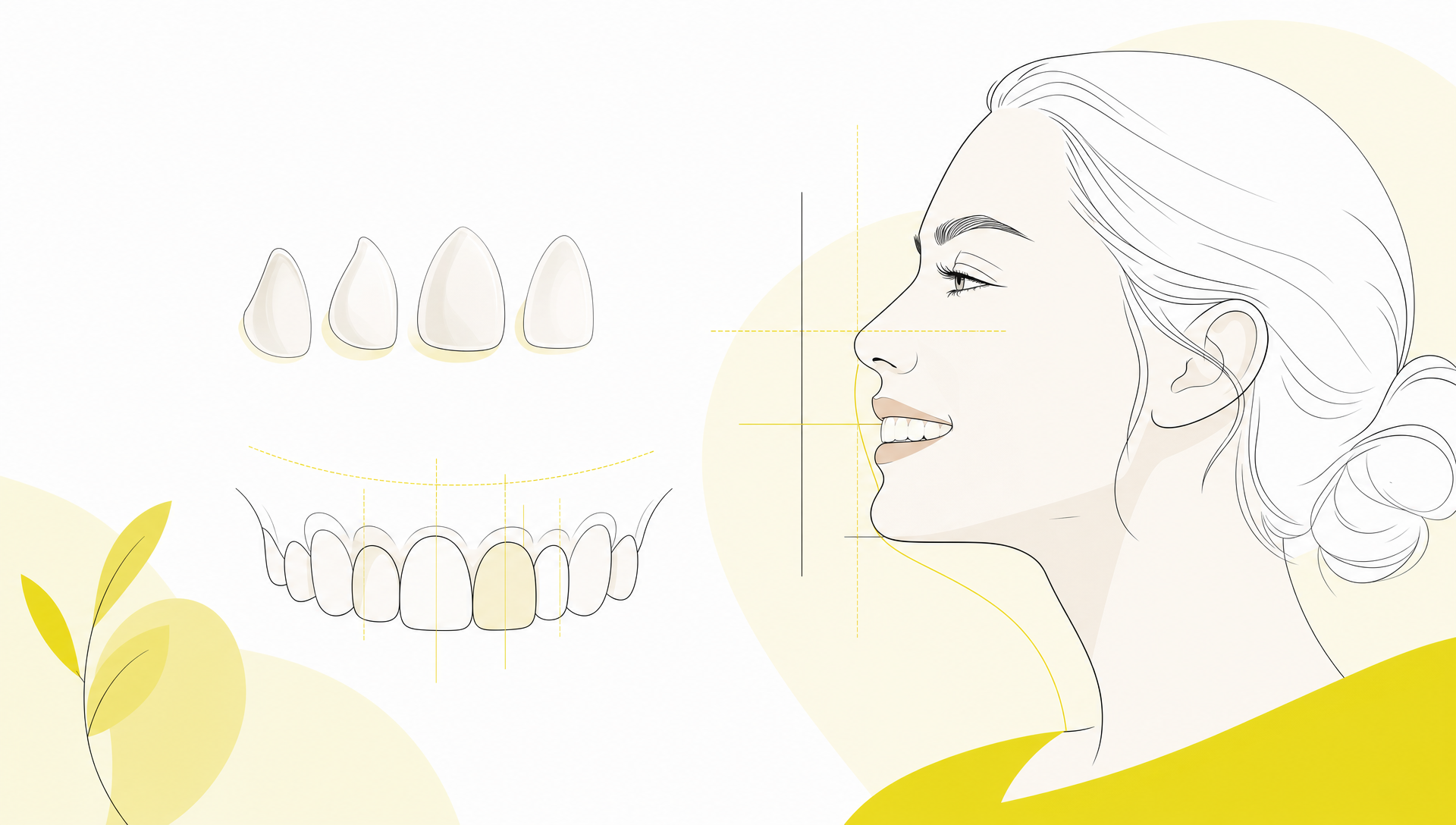
Choosing a cosmetic dentist in Melbourne is a personal decision. You are trusting someone with your smile, your confidence, and often a significant investment. Whether you are considering teeth whitening, veneers, bonding, implants, or a full smile makeover, the right dentist should help you understand your options clearly and feel comfortable at every step.
Searches like “cosmetic dentist near me” can give you a long list of clinics, but proximity is only one part of the decision. A convenient location matters, especially if your treatment involves multiple visits, but the quality of the consultation, the dentist’s training, the planning process, and the clinic’s approach to long-term oral health matter just as much.
Below is a practical guide to what to look for when comparing cosmetic dentists in Melbourne, particularly if you want results that look natural, function well, and are planned around your individual needs.
Start with registration, training, and professional standards
In Australia, every practising dentist must be registered with the Dental Board of Australia. You can check a practitioner’s registration through the AHPRA public register, which is a helpful first step before committing to any treatment.
It is also important to understand the term “cosmetic dentist”. Cosmetic dentistry is not a standalone dental specialty in the same way orthodontics or oral surgery may be. Many general dentists offer cosmetic treatments after completing additional training, continuing professional development, and hands-on experience in areas such as veneers, whitening, bonding, crowns, implants, and smile design.
When comparing clinics, look for signs that the dentist takes ongoing education seriously. A good cosmetic dentist should be able to explain not only what they can do, but why a particular treatment is suitable or unsuitable for your teeth, gums, bite, budget, and long-term goals.
Look for a health-first approach, not just a “perfect smile” promise
Cosmetic dentistry should never be separated from general oral health. Before whitening, veneers, crowns, or implants, your dentist should assess the condition of your teeth, gums, jaw joints, bite, existing fillings, and oral hygiene.
For example, whitening may not be suitable if you have untreated decay or gum disease. Veneers may not last as expected if you grind your teeth heavily and do not address the cause. Dental implants require careful assessment of bone, gum health, medical history, and maintenance habits.
A trustworthy cosmetic dentist will talk about function as well as appearance. They will consider how your teeth meet when you bite, whether your proposed treatment will be comfortable, and how the result can be maintained. If a clinic focuses only on quick visual transformation without discussing dental health, that is a warning sign.
Ask what treatment options are available
The best cosmetic option is not always the most complex or expensive one. In many cases, small changes can make a meaningful difference. A dentist who offers a broad range of services can usually provide a more balanced recommendation because they are not limited to one treatment pathway.
Common cosmetic dental treatments in Melbourne include:
- Teeth whitening for lifting external staining and brightening the overall shade of your smile.
- Composite bonding for minor chips, small gaps, shape changes, and localised cosmetic improvements.
- Porcelain veneers for more significant changes to tooth shape, colour, size, and symmetry.
- Crowns for teeth that need both cosmetic improvement and structural reinforcement.
- Dental implants for replacing missing teeth with a fixed, long-term option when clinically suitable.
- Orthodontic treatment or aligners for improving tooth position before cosmetic work.
- Gum contouring or periodontal care when gum shape or gum health affects the final appearance.
A good consultation should compare realistic options, not push you into a single solution. Sometimes the most conservative plan is best. Other times, a staged approach may help you spread treatment over time while protecting your teeth.
Review before and after photos carefully
Before and after photos can be useful, but they need to be interpreted with care. Look for cases that are similar to your own situation, not just the most dramatic transformations. If you have worn edges, crowding, missing teeth, dark staining, or uneven gum lines, ask whether the dentist can show examples of comparable cases.
Natural-looking cosmetic dentistry usually respects the patient’s facial features, age, tooth proportions, gum line, and smile dynamics. Teeth that are too white, too bulky, or too identical can look artificial. The best results often look like healthy, attractive teeth rather than obvious dental work.
When reviewing photos, pay attention to:
- Whether the gum line looks healthy and balanced.
- Whether the tooth shapes suit the patient’s face.
- Whether the colour looks natural in different lighting.
- Whether the edges and proportions look harmonious.
- Whether the results appear overdone or believable.
It is also reasonable to ask whether the cases shown were completed by the dentist you are seeing. Ethical clinics should be clear about what is their own work.
Expect a detailed consultation and personalised treatment plan
A cosmetic consultation should feel like a conversation, not a sales appointment. Your dentist should ask what bothers you, what you like about your smile, what you want to avoid, and how quickly you hope to complete treatment. They should also explain limitations, risks, maintenance, and alternatives.
Depending on the treatment, your assessment may include photographs, X-rays, digital scans, shade matching, bite analysis, gum assessment, and discussion of your medical history. For more complex cosmetic work, planning may involve wax-ups, mock-ups, or digital smile design previews so you can better understand the proposed outcome before treatment begins.
Here is a simple way to compare what different clinics provide during the planning stage:
| What to assess | Why it matters | A positive sign |
|---|---|---|
| Oral health examination | Cosmetic work lasts longer on healthy foundations | The dentist checks teeth, gums, bite, and existing restorations |
| Treatment options | You need a plan that fits your goals and budget | You receive more than one option where appropriate |
| Visual planning | Previews help align expectations | Photos, scans, mock-ups, or shade guides are discussed |
| Risks and maintenance | All dentistry has limitations | The dentist explains lifespan, care, and possible complications |
| Written quote | Costs should be transparent | You receive itemised information before starting |
If you leave your consultation confused, pressured, or unsure what is included, it may be worth seeking another opinion.
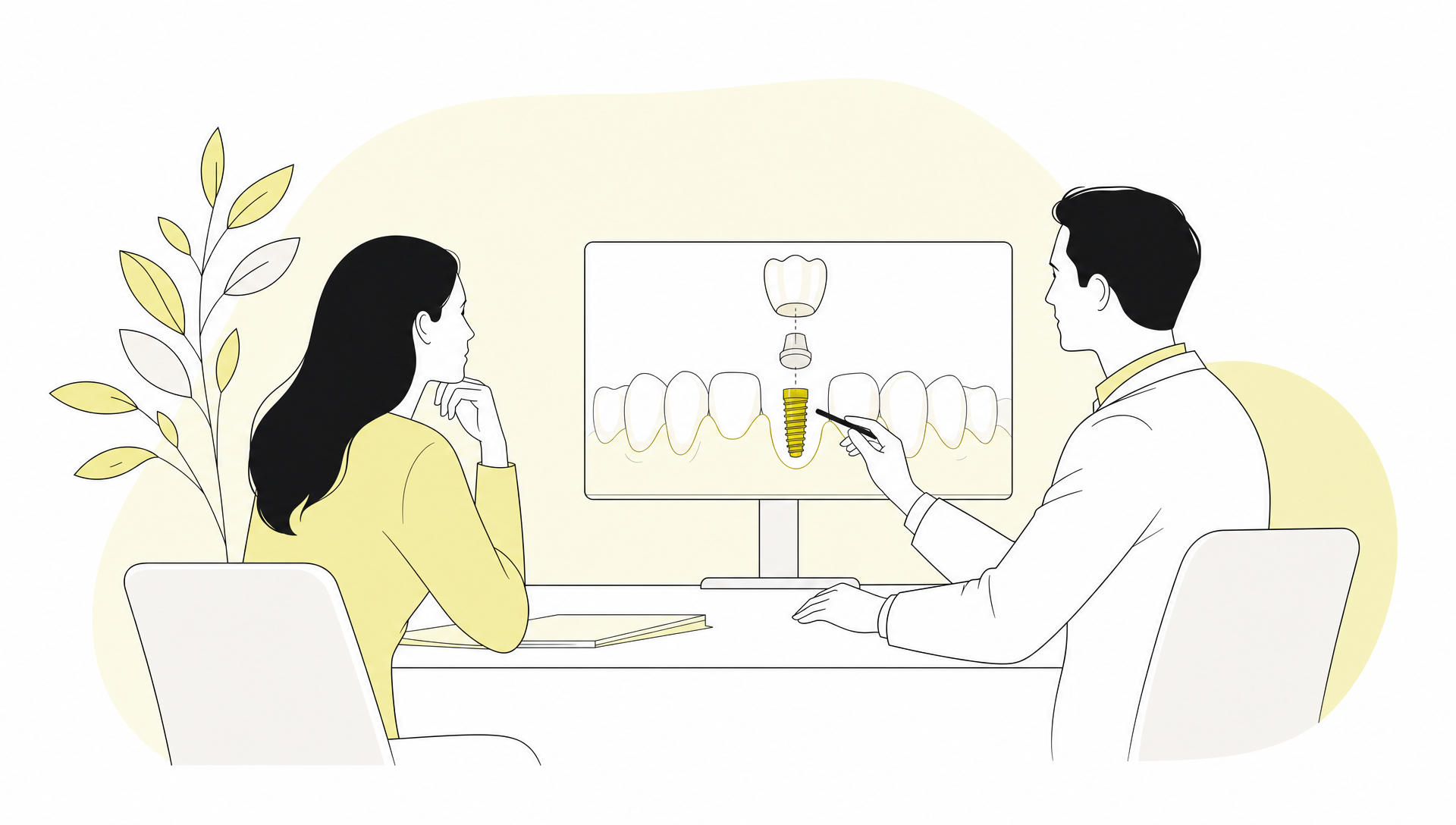
Consider technology, but do not be dazzled by it alone
Modern dental technology can improve planning, comfort, precision, and communication. Digital X-rays, intraoral cameras, 3D scans, and advanced whitening systems can all support better care when used appropriately.
However, technology is only valuable when paired with clinical judgement. A scanner does not automatically create a beautiful smile. A whitening system does not guarantee suitability. Digital previews are helpful, but they should be treated as planning tools rather than guaranteed final outcomes.
When a clinic mentions advanced technology, ask how it improves your specific treatment. For example, does it help identify hidden issues, plan tooth proportions, reduce messy impressions, improve communication with the dental laboratory, or monitor your progress? Clear answers are a good sign.
Ask about materials and dental laboratory quality
For treatments like veneers, crowns, bridges, and implant restorations, the materials and laboratory work can significantly influence the final appearance and durability. High-quality ceramic restorations require careful planning, tooth preparation, shade selection, and communication between the dentist and dental technician.
You do not need to become an expert in dental ceramics, but you can ask simple questions:
- What material is recommended for my case, and why?
- Will the restoration be layered or characterised to look natural?
- How will the colour be matched to my other teeth?
- How long should this treatment last with good care?
- What maintenance will I need over time?
A skilled cosmetic dentist should be comfortable explaining these points in plain English. If you are comparing quotes and one is much cheaper, differences in planning time, materials, laboratory quality, or follow-up care may be part of the reason.
Be realistic about whitening and shade expectations
Teeth whitening is one of the most requested cosmetic treatments because it is non-invasive and can make a noticeable difference. Still, results vary from person to person. Natural tooth colour, enamel thickness, previous dental work, staining habits, and oral health all affect the outcome.
It is especially important to know that whitening does not change the colour of porcelain veneers, crowns, or composite fillings. If you are planning multiple cosmetic treatments, your dentist may recommend whitening first so that any new restorations can be matched to your preferred shade.
If you are considering professional whitening, you can learn more about the clinic’s current in-chair whitening offer in Toorak, noting that clinical suitability should always be assessed before treatment.
Check communication style and consent process
Good cosmetic dentistry depends on trust. You should feel listened to, respected, and free to ask questions. Your dentist should explain expected benefits and possible downsides, including sensitivity, repair or replacement needs, changes to tooth structure, and maintenance costs.
Informed consent is more than signing a form. It means you understand what is being recommended, what alternatives exist, what could go wrong, and what happens if you choose not to proceed. This is particularly important for irreversible treatments such as veneers or crowns, where natural tooth structure may need to be altered.
A strong communication process usually includes written treatment plans, clear fee estimates, time to consider your options, and no pressure to start immediately unless urgent care is needed.
Compare fees, inclusions, and payment options
Cosmetic dental fees in Melbourne can vary widely. Price differences may reflect the complexity of your case, the dentist’s experience, the number of appointments, the quality of materials, laboratory fees, technology, and aftercare.
Rather than choosing the cheapest option, compare what is included. Does the fee cover consultation records, temporary restorations, review appointments, retainers or night guards if needed, and follow-up care? Are there extra costs for X-rays, scans, or replacement temporaries? Will you receive an itemised treatment plan?
Payment flexibility can also help if you are planning more comprehensive treatment. Toorak Village Dental Care offers payment plans, which may be useful if you want to stage your care while keeping the plan clinically appropriate. Always ask for details before proceeding so you understand eligibility, terms, and total costs.
Think about location, convenience, and continuity of care
For many cosmetic treatments, you may need several visits. A smile makeover might involve consultation, records, planning, preparation, trial stages, final placement, and reviews. Even whitening or bonding may require follow-up or maintenance.
That is why location still matters. If you live or work near Toorak, South Yarra, Armadale, Prahran, Hawthorn, or surrounding Melbourne suburbs, choosing a nearby clinic can make appointments easier to manage. Continuity is also valuable. A dentist who knows your dental history can monitor changes, maintain restorations, and respond quickly if something needs attention.
If you are looking for a local clinic that provides both general and cosmetic care, the Toorak Village Dental Care team offers treatment planning across a range of dental needs, from routine care to smile-focused services.
Red flags to watch for when choosing a cosmetic dentist
Most dental clinics aim to provide good care, but it is still worth knowing what should make you pause. Be cautious if you encounter pressure tactics, unrealistic guarantees, vague pricing, or a lack of proper examination before treatment is recommended.
Other warning signs include no discussion of oral health, no explanation of risks, no written quote, no mention of maintenance, and an unwillingness to answer questions. Be especially careful with any offer that promises a dramatic smile transformation without first assessing your teeth and gums.
Cosmetic dentistry should feel considered and collaborative. If the process feels rushed, it may not be the right fit.
Questions to ask at your first cosmetic dental consultation
Arriving with questions can help you compare clinics more confidently. You do not need to ask everything at once, but these prompts can guide a useful conversation.
| Question | What the answer should help clarify |
|---|---|
| Am I clinically suitable for this treatment? | Whether your oral health supports the procedure |
| Are there more conservative options? | Whether tooth structure can be preserved |
| How long will the result likely last? | Maintenance and replacement expectations |
| What are the main risks or limitations? | Informed consent and realistic decision-making |
| What will the total cost include? | Transparency and budgeting |
| How will the result be planned? | Photos, scans, mock-ups, and shade selection |
| What aftercare will I need? | Long-term protection of your investment |
The answers should be specific to your mouth, not generic. If you feel the dentist has understood your goals and explained a plan in a way that makes sense, you are more likely to feel confident moving forward.
Frequently Asked Questions
How do I choose the best cosmetic dentist in Melbourne? Look for a registered dentist who provides a thorough oral health assessment, explains multiple treatment options, shows relevant case examples, gives transparent fees, and prioritises natural-looking results that support long-term dental health.
Is cosmetic dentistry safe? Cosmetic dentistry is generally safe when performed by a qualified dental professional after a proper assessment. Safety depends on your oral health, treatment type, materials used, and whether risks and maintenance needs are properly explained.
What is the difference between teeth whitening and veneers? Whitening lightens natural tooth enamel, while veneers cover the front surface of teeth to change shape, colour, size, or symmetry. Whitening is more conservative, but veneers may be suitable for issues that whitening cannot address.
Will cosmetic dental work look natural? It can look very natural when the treatment is carefully planned around your face, gum line, tooth proportions, and desired shade. Ask to see similar cases and discuss how the dentist avoids an overly white or bulky result.
Should I choose a cosmetic dentist near me or travel across Melbourne? Convenience is important, especially for multi-visit treatment, but it should not be the only factor. Choose a dentist who combines accessible location with strong planning, clear communication, appropriate training, and a health-first approach.
Ready to discuss your smile goals?
The right cosmetic dentist in Melbourne should help you feel informed, not pressured. Start with a consultation, ask questions, and look for a plan that balances appearance, function, comfort, and long-term care.
If you are considering whitening, bonding, veneers, implants, or a broader smile improvement, Toorak Village Dental Care can help you explore suitable options based on your individual needs. You can book an appointment online and take the first step toward a confident, carefully planned smile.
Disclaimer
The information provided on this website is for general informational and educational purposes only. It is not intended to replace professional dental advice, diagnosis or treatment. Dental needs and treatment outcomes vary between individuals. Always seek advice from a qualified dental practitioner regarding your specific circumstances before making decisions about your oral health or treatment. A consultation and clinical assessment are required to determine which treatment options may be suitable for you. All dental procedures carry potential risks and benefits, which will be discussed with you before treatment.