


If you are comparing dentist prices Melbourne clinics quote, the first thing to know is that there is rarely one standard fee for a dental procedure. The price usually depends on what is being treated, how complex it is, what materials and equipment are needed, whether laboratory work is involved, and whether you can use health fund rebates or government support.
For patients in Toorak, South Yarra, Armadale, Prahran, Malvern and nearby suburbs, understanding these factors can make it easier to compare quotes calmly and ask useful questions before starting treatment.
Dentist prices Melbourne: why quotes vary
Dental care in Australia is delivered through a mix of private and public services. Many adults pay privately for routine dental care, sometimes with support from private health insurance, while some children and eligible patients may have access to government-funded programs. Healthdirect provides a general overview of dental care in Australia if you are new to the system or returning after some time away.
Private dental clinics set their own fees. That means two clinics may charge different amounts for what sounds like the same treatment. The difference is not always about one being “better” or “worse”. It may reflect what is included, the complexity of the appointment, the materials used, the level of planning required, laboratory costs and the time needed to complete the treatment safely and appropriately.
A dental quote should ideally be itemised, clearly explained and based on a clinical assessment. For anything beyond a very simple appointment, an estimate over the phone is usually only a guide.
The main factors that affect dental fees
The type of appointment
A short consultation, a routine examination, a scale and clean, a filling, a crown, root canal treatment, wisdom tooth removal and dental implant treatment all involve different time, materials and clinical planning.
Preventive appointments may be more straightforward to quote because they often involve common services. More complex restorative, cosmetic or surgical treatment usually needs an examination first, because the dentist must understand your teeth, gums, bite, medical history and treatment goals before discussing suitable options.
The complexity of the problem
The same treatment name can cover very different situations. A small filling on an easy-to-access tooth is not the same as a large filling on a back tooth where old restorations, cracks or deep decay are present.
Complexity may be affected by:
- The size and location of the tooth problem
- Whether previous dental work is present
- The condition of the gums and supporting bone
- Whether pain, infection or swelling is involved
- Whether several teeth need to be considered together
- Whether the treatment is cosmetic, functional, restorative or a combination
A thorough assessment helps your dentist explain why a particular option may be recommended and whether there are alternatives.
Diagnostic records and imaging
Some appointments may require dental X-rays, photographs, scans or other diagnostic records. These are not used for every patient or every appointment, but they may be clinically useful when a dentist needs to check areas that cannot be seen during a visual examination.
Diagnostic information can affect the total fee, but it can also affect treatment planning. For example, a tooth that looks suitable for a filling may need a different approach if imaging shows deeper decay or changes near the nerve.
Materials and laboratory work
Some treatments can be completed directly in the dental chair, while others involve customised components made outside the mouth. Crowns, veneers, bridges, mouthguards, dentures and some implant-related restorations may involve laboratory work.
The quote may reflect the type of material, laboratory fees, shade matching, design requirements, temporary restorations and follow-up appointments. For cosmetic and restorative dentistry, the aim is usually to plan treatment that suits the tooth structure, bite and overall oral health, not simply to choose the most expensive material.
Appointment time and number of visits
Dental fees often reflect the time required to assess, plan, perform and review treatment. A procedure that needs multiple visits, careful isolation, anaesthetic, temporary restorations or detailed bite adjustments will usually cost more than a brief appointment.
Time also matters when several concerns are treated together. A treatment plan may be staged over weeks or months, especially when the dentist needs to stabilise gum health, manage decay, review healing or coordinate different procedures.
Clinic location and operating costs
Like other healthcare businesses, dental clinics have operating costs. These may include rent, clinical staff, sterilisation processes, infection control systems, materials, equipment maintenance, professional registration, insurance and ongoing training.
In inner-Melbourne areas, including Toorak and surrounding suburbs, overheads can differ from other locations. This is one reason fees can vary between clinics, even when the treatment appears similar.
Urgency and emergency care
An emergency dental appointment may be priced differently from a scheduled preventive visit because the dentist may need to diagnose the issue quickly, manage pain or infection, take diagnostic records and provide short-term or definitive care.
If you have facial swelling, fever, dental trauma, uncontrolled bleeding or severe symptoms, prompt assessment is important. The right first appointment may focus on diagnosing and stabilising the problem rather than completing all treatment immediately.
| Price factor | How it may affect the quote | Helpful question to ask |
|---|---|---|
| Treatment type | Different procedures require different time, materials and planning | What treatment options may be suitable for this issue? |
| Complexity | Larger, deeper or harder-to-access problems may take more time | What makes my case simple or complex? |
| Diagnostic records | Imaging or scans may be needed before planning | Are these records clinically necessary for me? |
| Materials and lab work | Custom restorations may involve laboratory fees | What materials are being considered and why? |
| Number of visits | Staged care can increase total cost | How many appointments are likely to be involved? |
| Health fund rebates | Rebates vary by policy and limits | Can I use item numbers to check my rebate? |
Why two quotes for the same treatment can look different
When comparing dentist prices, it is important to compare the details, not just the total at the bottom of the page.
Many dental quotes use item numbers, which are codes that describe particular dental services. These item numbers can help when you ask your health fund about possible rebates. However, they do not set a universal fee, and the same item number can still be priced differently between clinics.
A quote may look higher because it includes diagnostic records, temporary restorations, review appointments or laboratory components. Another quote may look lower because those items are listed separately or have not yet been assessed.
A lower fee may be completely appropriate in some situations. The key is to understand what is included, what is not included, what may change after assessment and what alternatives are available.
Health funds, government support and payment options
Private health insurance can reduce out-of-pocket costs for some dental services, depending on your level of extras cover, annual limits, waiting periods and the item numbers involved. Your dentist can usually provide item numbers for a planned treatment, but your health fund is the best source for confirming your rebate.
Medicare does not usually cover routine private dental care for adults. However, eligible children may be able to access certain dental benefits through the Child Dental Benefits Schedule. Eligibility and limits can change, so it is worth checking current information through Services Australia’s Child Dental Benefits Schedule page.
Some clinics also offer payment plans for larger treatment plans. A payment plan does not change whether a procedure is clinically appropriate, but it may help some patients manage timing and budgeting. Always check the terms, total cost and whether any fees or conditions apply.
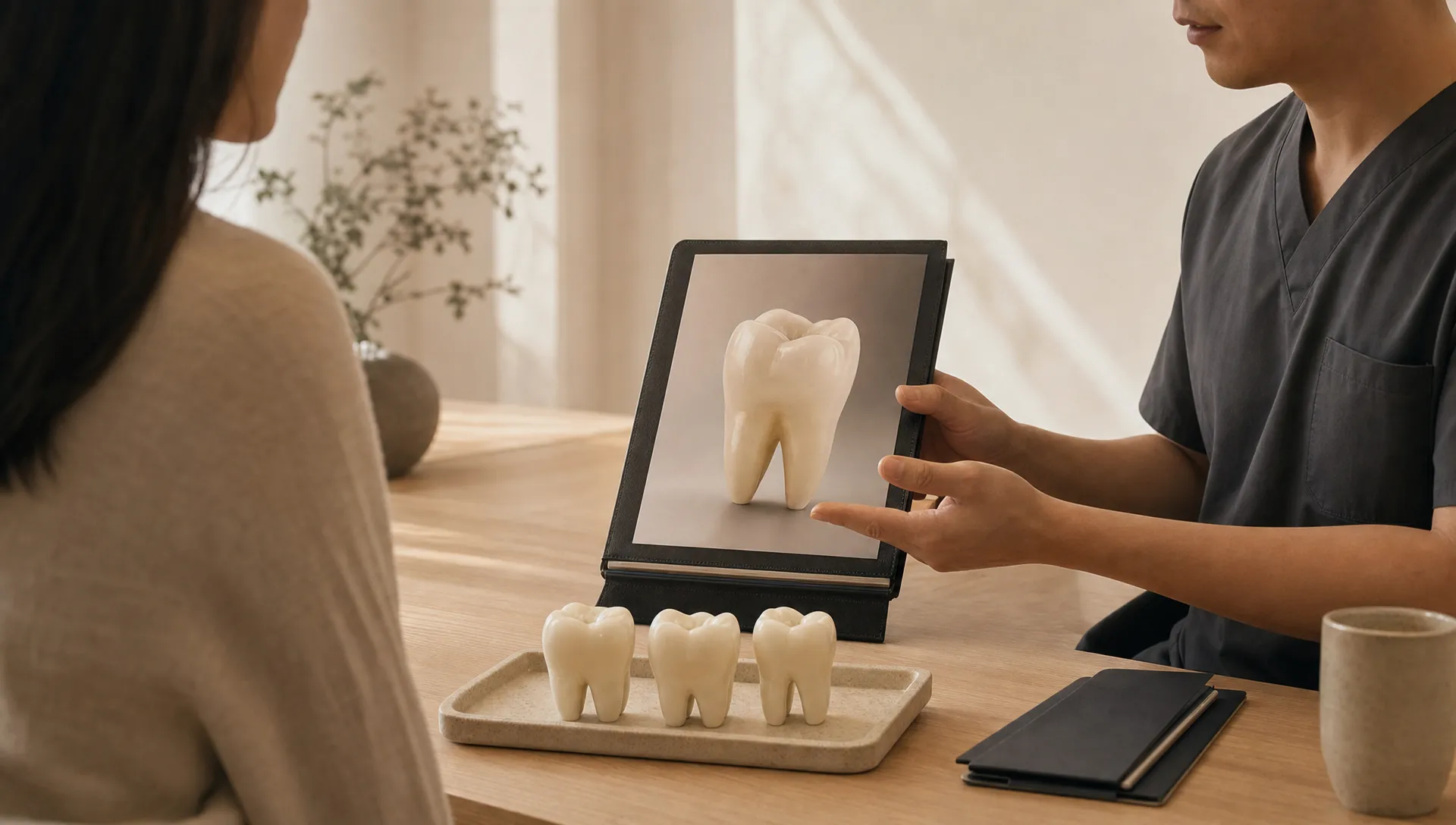
How to compare dental quotes without focusing only on the cheapest fee
Choosing dental care based only on price can be difficult because the cheapest quote is not always the clearest quote. At the same time, a higher fee does not automatically mean a treatment is more suitable for you.
A practical approach is to ask for enough information to make an informed decision. For broader guidance, this article on how to choose a dental clinic that suits your needs explains factors such as communication, costs, convenience and treatment planning.
Useful questions include:
- What is included in this quote?
- Are there any likely additional costs?
- What are the possible benefits, risks and alternatives?
- Is treatment needed now, or can it be monitored?
- Are there lower-cost or staged options to consider?
- How long is the quote valid for?
- What item numbers can I give my health fund?
If you are new to private dentistry in Australia, or you have not seen a dentist for some time, you may also find this guide to dental care in Australia for new and returning patients useful.
How different treatment categories affect pricing
Check-ups, cleans and preventive care
A routine visit may include an examination, cleaning, fluoride application and diagnostic records if they are clinically indicated. Prices can differ depending on what is included in the appointment and whether it is a first visit, a regular review or a more detailed assessment after a long gap.
Preventive care may help detect issues earlier, but it does not remove the need for individual advice. Your dentist can recommend a review interval based on your oral health, risk factors and needs.
Fillings and restorative treatment
Filling costs can vary based on the size of the cavity, the tooth involved, the number of tooth surfaces being restored and the material used. A filling that replaces a small area of tooth structure is different from one that must rebuild a larger section of a tooth.
If a tooth is cracked, heavily restored or affected by deep decay, other options may need to be discussed. These could include a larger restoration, a crown, root canal treatment or, in some cases, removal of the tooth. Suitability depends on the clinical findings.
Root canal therapy
Root canal treatment involves cleaning and sealing the root canal system inside a tooth. Fees can vary because front teeth, premolars and molars can have different numbers of canals and different levels of complexity.
The quote may also need to consider the final restoration of the tooth. After root canal therapy, some teeth need a crown or other protective restoration, depending on how much tooth structure remains.
Crowns, veneers and cosmetic dental treatment
Cosmetic and restorative treatments can vary widely in price because they often involve planning, tooth preparation, laboratory work, material selection and review appointments. The dentist also needs to assess gum health, bite, tooth structure and whether the proposed treatment aligns with your oral health.
For patients comparing cosmetic options in Melbourne, it can be helpful to understand the planning process, not only the fee. This article on what to look for in a cosmetic dentist in Melbourne covers health-first planning, communication and suitability considerations.
Teeth whitening
Teeth whitening may be easier to quote than some complex restorative treatments, but it still requires suitability assessment. Existing fillings, crowns or veneers do not whiten in the same way as natural tooth enamel, and some causes of discolouration may need a different approach.
Where a clinic publishes a whitening offer, check what is included, whether an examination is needed first and whether suitability conditions apply.
Dental implants and surgical procedures
Dental implant treatment can involve surgical placement of an implant fixture, healing time, restorative components and an implant crown. Fees can vary depending on the number of implants, the condition of the bone and gums, the type of restoration and whether additional procedures may be needed.
Surgical treatments, including wisdom tooth removal, can also vary in complexity. All procedures carry potential benefits and risks, and your dentist or oral health professional should explain these in relation to your circumstances before treatment begins.
What happens before you receive a dental quote?
For many treatments, a dentist needs to examine your mouth before providing a meaningful quote. This is not about making the process complicated. It is about avoiding guesswork.
A typical process may include:
- Discussion of your concern: You explain your symptoms, goals, medical history and any previous dental treatment.
- Clinical examination: The dentist checks your teeth, gums, bite and areas of concern.
- Diagnostic records if needed: Dental X-rays, photographs or scans may be recommended where clinically appropriate.
- Explanation of findings: The dentist discusses what they can see and what it may mean.
- Treatment options and quote: You receive information about suitable options, likely costs, risks, benefits and alternatives.
You should have the opportunity to ask questions before deciding whether to proceed. For non-urgent treatment, it is reasonable to take time to consider your options.
When should cost concerns be discussed?
It is appropriate to discuss fees early. Dental teams are used to answering questions about quotes, item numbers, health fund rebates and payment timing.
If cost is a concern, let the clinic know. In some cases, treatment may be staged, alternatives may be available, or the most urgent concern can be addressed first while longer-term care is planned. This depends on your oral health and the nature of the problem.
Cost should be part of the conversation, alongside clinical suitability, comfort, treatment goals, likely maintenance and possible risks.
Frequently Asked Questions
Why do dentist prices in Melbourne vary so much? Prices vary because clinics set their own fees and treatments differ in complexity, time, materials, diagnostic requirements, laboratory work and what is included in the quote.
Can a dentist give me an exact price over the phone? For simple appointments, a clinic may provide a general fee guide. For complex treatment, an accurate quote usually requires an examination and, where clinically indicated, diagnostic records.
Does Medicare cover dental treatment? Medicare does not usually cover routine private dental care for adults. Some eligible children may have access to benefits through the Child Dental Benefits Schedule, and some public dental services may be available for eligible patients.
Is the cheapest dental quote the best option? Not always. A lower fee may be suitable, but it is important to check what is included, whether the treatment has been properly assessed and what alternatives are available.
How can I avoid unexpected dental costs? Ask for an itemised treatment plan, confirm what is included, check item numbers with your health fund and ask whether any additional costs may arise if treatment becomes more complex.
Discussing dental fees with a Toorak dentist
If you are comparing dentist prices in Melbourne, an examination can help clarify what is actually needed and which options may be appropriate for your circumstances.
To discuss your concerns, you can contact Toorak Village Dental Care to arrange an assessment in Toorak. A dentist can assess your oral health, explain potential benefits, risks and alternatives, and provide an itemised treatment plan where appropriate.
Disclaimer
The information provided on this website is for general informational and educational purposes only. It is not intended to replace professional dental advice, diagnosis or treatment. Dental needs and treatment outcomes vary between individuals. Always seek advice from a qualified dental practitioner regarding your specific circumstances before making decisions about your oral health or treatment. A consultation and clinical assessment are required to determine which treatment options may be suitable for you. All dental procedures carry potential risks and benefits, which will be discussed with you before treatment.