

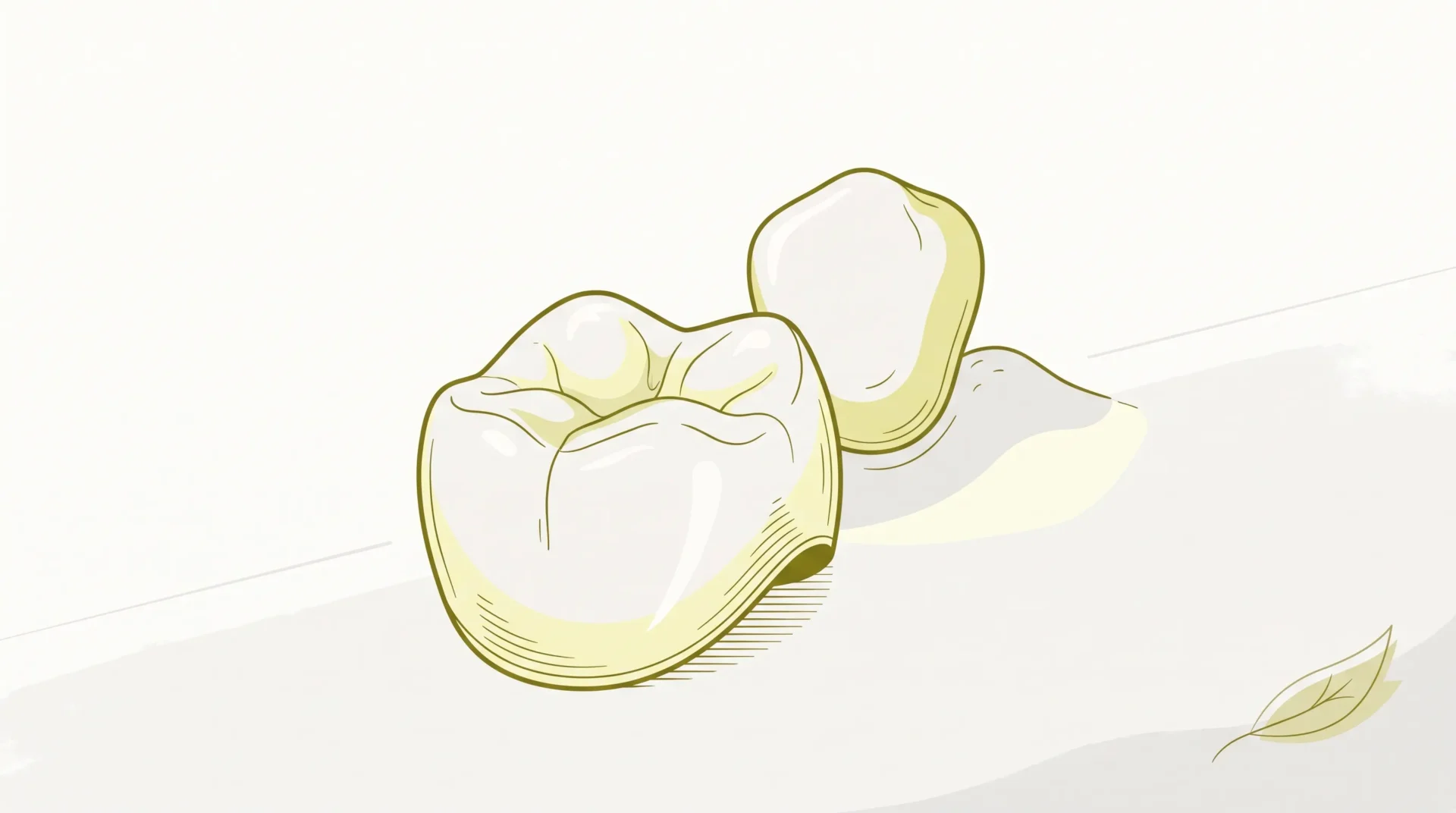
A dental crown is often considered when a damaged tooth no longer has enough healthy structure to be reliably restored with a filling alone. It is one of several dental solutions your dentist may discuss after examining the tooth, checking your bite and assessing whether the nerve and surrounding gum are healthy.
A crown is a custom-made cover that fits over the visible part of a tooth. It may be used to help strengthen, reshape or protect a tooth that has been weakened by decay, fracture, large fillings, wear or previous dental treatment. It is not suitable for every damaged tooth, and a clinical assessment is needed before any recommendation can be made.
When a crown may be considered for a damaged tooth
Your dentist may consider a crown when the remaining tooth structure needs more coverage than a standard filling can provide. This does not automatically mean a crown is the only option. It means the tooth may need support across the biting surface or around weakened walls.
Common situations include:
| Situation | Why a crown may be discussed |
|---|---|
| A large filling has broken down | The remaining tooth walls may be thin or prone to further cracking. |
| A tooth has a significant crack or cusp fracture | A crown may help hold the remaining tooth together, depending on the crack’s direction and depth. |
| A tooth has had root canal therapy | Some root canal treated teeth, especially back teeth, may need extra coverage because they often have less remaining structure. |
| There is heavy wear or erosion | A crown may help restore tooth shape and function if there is enough healthy tooth left. |
| A tooth is misshapen or structurally compromised | A crown may improve form and biting function when more conservative options are unsuitable. |
The key question is not simply, “Is the tooth damaged?” It is, “How much healthy tooth remains, and what type of restoration is likely to be stable for this tooth?”
Where crowns fit among dental solutions for damaged teeth
Crowns sit somewhere between conservative repairs and more extensive treatment. A small chip may only need smoothing or bonding. Moderate decay may be treated with a filling. A larger defect may need an onlay, which covers part of the biting surface, or a crown, which covers more of the tooth.
Your dentist may consider several dental solutions before recommending a crown, including:
- Monitoring if the damage is minor, stable and not causing symptoms.
- Dental bonding for some small chips or cosmetic edge repairs.
- A filling when there is enough healthy tooth to support it.
- An onlay or overlay when part of the biting surface needs coverage.
- Root canal therapy if the nerve inside the tooth is infected or irreversibly inflamed.
- Extraction and replacement options if the tooth cannot be predictably restored.
If a filling is being discussed as an alternative, it can be helpful to understand what affects the cost of dental fillings in Melbourne, as size, location, material and complexity can all influence treatment planning.
A crown usually involves removing some tooth structure to create space for the restoration. For that reason, dentists generally weigh whether a less invasive option may be appropriate first. The most suitable choice depends on the tooth, your oral health, your bite, your medical history, your goals and the likely risks and benefits.
When a crown may not be the right first step
A crown is not always appropriate, even when a tooth looks badly damaged. If there is active infection, deep decay, gum disease or an unstable crack, those issues need to be assessed first.
For example, a crown placed over untreated decay would not address the underlying problem. A tooth with a crack extending below the gumline may not be restorable with a crown. A tooth with severe nerve symptoms may need root canal assessment before a final crown decision can be made.
There are also cases where a crown may be more treatment than the tooth needs. Small chips, shallow fractures and minor cosmetic concerns may have simpler options. Your dentist can explain why a crown is or is not being considered and what may happen if the tooth is left untreated.
Signs a damaged tooth should be assessed promptly
Some damaged teeth can wait for a routine appointment. Others should be assessed sooner, especially if symptoms suggest deeper damage or infection.
Arrange dental advice promptly if you notice:
- Ongoing or worsening toothache.
- Swelling in the gum, face or jaw.
- A broken tooth with sharp edges cutting the cheek or tongue.
- Pain when biting or releasing pressure.
- A loose adult tooth after trauma.
- Pus, a bad taste or a pimple-like swelling on the gum.
- Fever or feeling generally unwell with dental swelling.
If you have facial swelling, difficulty breathing, difficulty swallowing or feel seriously unwell, seek urgent medical care. Healthdirect’s information on dental abscess outlines symptoms that may need prompt attention.
For less severe chips, this guide on whether a chipped tooth can wait for a dental appointment may help you decide how soon to contact a dentist.
What a crown appointment may involve
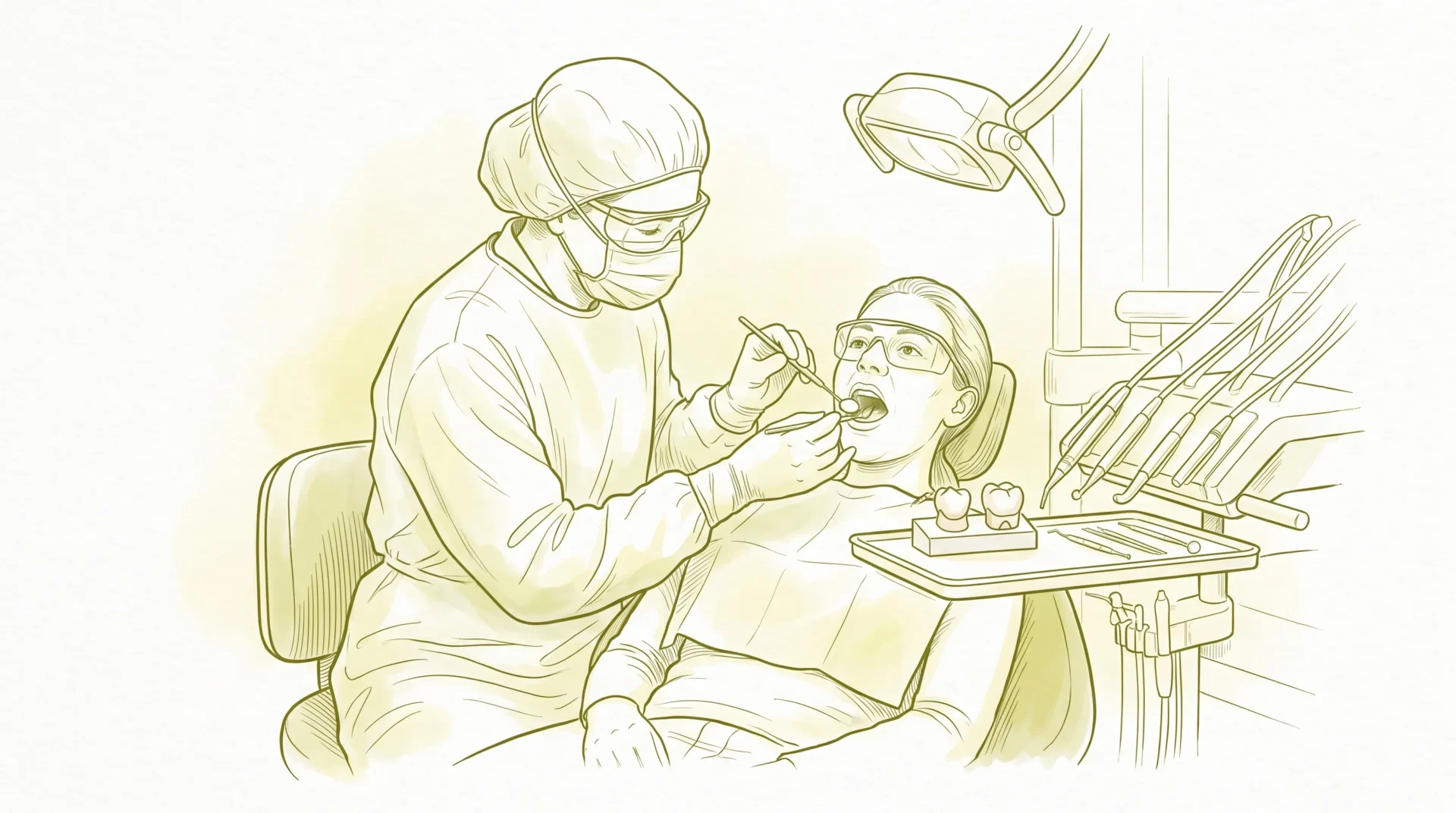
Before recommending a crown, your dentist will usually examine the tooth and surrounding gum, ask about your symptoms and check how your teeth meet when you bite. Dental X-rays may be recommended to assess decay, old fillings, the tooth roots and the bone around the tooth.
If a crown is considered suitable, your dentist should explain the reason for the recommendation, the likely steps, material options, expected fees, possible risks and alternatives. You should have the opportunity to ask questions before making a decision.
A crown procedure commonly involves preparing the tooth, taking a digital or traditional impression and fitting a temporary crown while the final restoration is made. At a later visit, the final crown is checked for fit, appearance and bite before being bonded or cemented in place. The exact process can vary between clinics, materials and individual cases.
Some tenderness, sensitivity or bite changes can occur after crown treatment. These symptoms are often temporary, but they should be reviewed if they persist or worsen. All dental procedures carry potential risks and benefits, and experiences vary between patients.
Crown materials your dentist may discuss
Different crown materials have different appearances, strengths and clinical uses. No single material is suitable for every tooth. Your dentist may consider the position of the tooth, how visible it is, your bite forces, your gum health, any grinding habits and your preferences.
| Crown material | General considerations |
|---|---|
| Ceramic or porcelain | Often considered where appearance is important, particularly for visible teeth. Material choice depends on bite and tooth position. |
| Zirconia | A strong ceramic option that may be considered for back teeth or higher bite forces in selected cases. |
| Porcelain fused to metal | Combines a metal substructure with porcelain covering. It may be considered in some situations, although appearance at the gumline can vary. |
| Gold or metal alloy | Durable and sometimes useful where space is limited, but the colour is not tooth-like. |
Your dentist can explain why one material may be preferred for your tooth and whether there are trade-offs in appearance, preparation, strength, repairability or cost.
Benefits, limitations and risks to discuss
A crown may help restore a damaged tooth’s shape, protect weakened tooth structure and make chewing more comfortable if the tooth is otherwise restorable. It may also improve the appearance of a visible damaged tooth, depending on the material and the condition being treated.
However, a crown does not make a tooth immune to future problems. Decay can still occur around the crown margin if plaque builds up. Gum inflammation can affect the tissues around the crowned tooth. Crowns can chip, loosen, wear or need replacement over time.
Possible risks and limitations include:
- Sensitivity after treatment.
- Bite discomfort requiring adjustment.
- Nerve inflammation, which may sometimes lead to root canal treatment.
- Crown fracture, chipping or debonding.
- Decay at the crown edge.
- Difficulty restoring the tooth if there is not enough healthy structure.
These risks do not mean a crown should be avoided in every case. They are part of the informed consent discussion, so you can weigh the likely benefits, limitations and alternatives with your dentist.
Caring for a crowned tooth
A crowned tooth still needs daily care. Brush twice a day with fluoride toothpaste, clean between the teeth and attend dental check-ups at intervals recommended for your needs. If you grind or clench your teeth, your dentist may discuss a protective splint, as heavy forces can affect crowns and natural teeth.
Avoid using teeth to open packaging, bite fingernails or chew very hard objects. These habits can damage both crowned and uncrowned teeth.
It is also sensible to keep copies of treatment plans, item numbers, estimates, private health claim details and maintenance advice. Good records make future decisions easier in many areas of life, from dental care to services such as property management in Jacksonville and St. Augustine, where clear maintenance notes and reporting can support better planning. For dental treatment, those records can help if you change clinics, seek a second opinion or review your health fund benefits later.
Cost and payment questions to ask before treatment
The cost of a crown can vary because each tooth is different. Fees may be affected by the tooth’s location, the amount of preparation needed, the material selected, laboratory work, whether other treatment is required and whether imaging or temporary restorations are involved.
Before proceeding, you can ask:
- What is the diagnosis and why is a crown being considered?
- Are there more conservative alternatives?
- What are the risks of delaying treatment?
- What material options are suitable for this tooth?
- What item numbers apply for private health insurance?
- Are payment options available if needed?
Toorak Village Dental Care offers interest-free payment plans, and the team can explain available options before treatment. If the proposed care is complex, costly or unclear, a second dental opinion may be helpful. Seeking another opinion should not delay urgent care, but it can support decision-making where there is time to consider your options.
Frequently Asked Questions
Is a crown always needed for a cracked tooth? No. Some cracks can be monitored or restored with a filling or onlay, while others may need a crown or more complex care. The direction, depth and symptoms of the crack all matter.
Can a crown save every damaged tooth? No. Some teeth are too damaged, infected or structurally compromised to be predictably restored with a crown. Your dentist can assess whether the tooth is restorable and explain alternatives.
Will I need root canal therapy before a crown? Not always. Root canal therapy may be needed if the tooth nerve is infected or irreversibly inflamed. Some teeth can receive a crown without root canal treatment, depending on the diagnosis.
How long does a dental crown last? Crown lifespan varies between patients and depends on factors such as oral hygiene, bite forces, material, gum health and maintenance. Your dentist can explain what may affect the crown in your situation.
Can decay happen under a crown? Decay can occur around the edge of a crown if plaque and bacteria accumulate. Regular cleaning, flossing and dental reviews help reduce this risk.
Is a crown mainly cosmetic? A crown may improve appearance, but for a damaged tooth it is often considered for structural reasons. The aim is usually to restore form and function while protecting remaining tooth structure where suitable.
Considering a crown for a damaged tooth in Toorak?
If you have a broken, cracked or heavily filled tooth, a dental examination can help determine what is causing the problem and which options may be appropriate. A crown may be one option, but your dentist should also discuss suitable alternatives, risks and likely costs.
To discuss your concerns, you can contact Toorak Village Dental Care in Toorak to arrange an assessment. The team can examine the tooth, explain your options in clear language and help you make an informed decision based on your individual needs.
Disclaimer
The information provided on this website is for general informational and educational purposes only. It is not intended to replace professional dental advice, diagnosis or treatment. Dental needs and treatment outcomes vary between individuals. Always seek advice from a qualified dental practitioner regarding your specific circumstances before making decisions about your oral health or treatment. A consultation and clinical assessment are required to determine which treatment options may be suitable for you. All dental procedures carry potential risks and benefits, which will be discussed with you before treatment.