

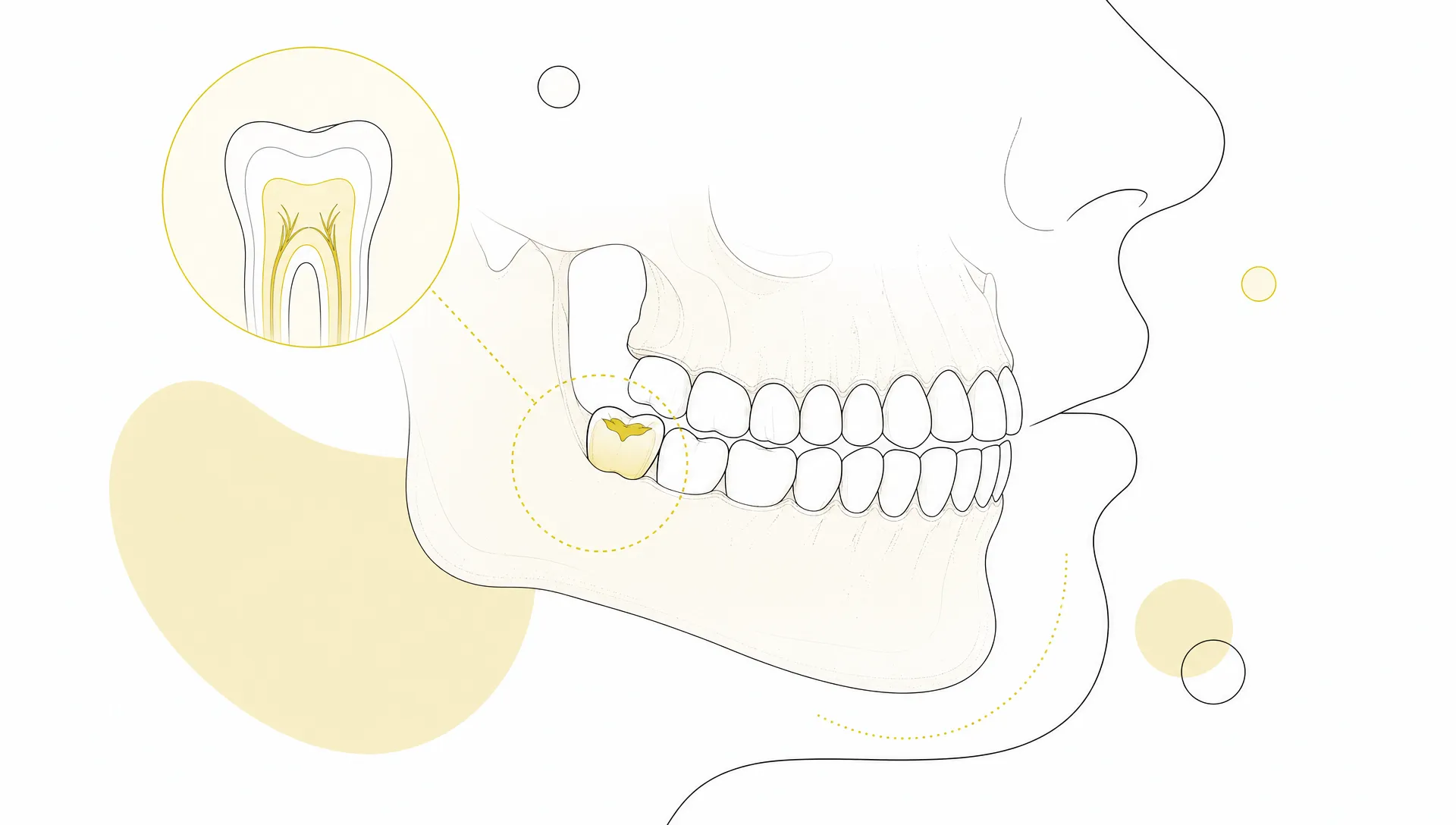
If you have searched for cheap fillings Melbourne, you are probably trying to understand what a fair dental filling fee looks like, not simply find the lowest number online. The honest answer is that the cost of a dental filling in Melbourne can vary because the treatment depends on the tooth, the size of the cavity or fracture, the material used and whether other assessment or imaging is needed.
A small filling in an easy-to-access tooth is usually more straightforward than a larger restoration in a back molar, or replacing an old filling with decay underneath. A quote that seems low may also exclude the examination, X-rays or other items that are needed before a dentist can safely recommend treatment.
The aim is not to make dental care more complicated than it needs to be. It is to help you compare costs in a practical way, so you understand what you are paying for and what questions to ask before treatment.
Dental fillings Melbourne: how to compare value safely
A lower-cost filling may be suitable in some situations, especially if the tooth needs only a small, simple restoration. Cost becomes harder to compare when two quotes describe different things.
For example, one clinic may quote only the filling procedure. Another may include an examination, diagnostic X-rays, bite assessment and a written treatment plan. One filling may involve a small front tooth repair, while another may involve a back tooth that takes more time to isolate, shape and polish.
When comparing dental filling fees, ask whether the quote includes:
- The examination or emergency assessment
- Any dental X-rays that may be needed
- The filling material and number of tooth surfaces involved
- The expected appointment length
- Item numbers for your health fund, if you have extras cover
- Follow-up or bite adjustment arrangements, if needed
This gives you a clearer view of value rather than comparing a single advertised figure. A dental examination is also important because not every dark spot, chipped edge or sensitive tooth needs the same treatment.
The Australian Dental Association’s patient information site, Teeth.org.au explains dental fillings as a way to repair teeth affected by decay or damage. Your dentist still needs to assess the tooth to determine whether a filling is appropriate or whether another option should be discussed.
Main factors that affect the cost of a dental filling
Dental fillings are common, but they are not all the same. A filling is a clinical procedure performed on a particular tooth under particular conditions, not a standard product taken off a shelf.
| Cost factor | Why it can affect the fee | What to ask your dentist |
|---|---|---|
| Size of the filling | Larger fillings usually take more time and material | How many surfaces of the tooth need restoring? |
| Tooth location | Back teeth can be harder to access and carry heavier chewing forces | Is this a front tooth or molar restoration? |
| Depth of decay or damage | Deeper areas may need more careful assessment and isolation | Is the tooth close to the nerve? |
| Filling material | Composite resin, glass ionomer and other materials have different uses | Which material is suitable for this tooth and why? |
| New filling or replacement | Removing an old filling can reveal cracks or decay underneath | Is this a straightforward replacement? |
| Diagnostic records | X-rays may be needed to check decay depth or adjacent teeth | Are X-rays required for this decision? |
| Appointment complexity | Moisture control, bite adjustment and polishing can affect time | How long is the appointment expected to take? |
Size and number of tooth surfaces
Dentists often describe fillings by how many surfaces of the tooth are involved. A small filling on one surface is generally simpler than a larger filling that wraps around multiple sides of a tooth.
This matters because a larger filling can require more shaping, stronger contact with the neighbouring tooth and careful bite adjustment. If too much tooth structure is missing, your dentist may discuss alternatives such as an inlay, onlay or crown. These are different treatments and usually have different costs.
Tooth position and access
Front teeth and back teeth have different functional demands. A front tooth repair may be more visible and require careful colour matching. A back molar may need to withstand stronger chewing forces and can be more difficult to keep dry during treatment.
Moisture control matters because filling materials need the right conditions to bond and set properly. Your dentist may use cotton rolls, suction or a rubber dam, which is a small protective sheet used to isolate the tooth in some procedures.
Depth of decay or fracture
A shallow area of decay may be restored relatively simply. Deeper decay may sit close to the pulp, which is the soft tissue inside the tooth containing nerves and blood vessels.
If a tooth is very deep, cracked or inflamed, a filling alone may not be suitable. Your dentist may need to discuss the possibility of further treatment, monitoring or referral depending on the diagnosis. This is one reason online quotes for fillings can be limited.
Choice of filling material
Common filling materials include composite resin and glass ionomer cement. Composite resin is tooth-coloured and often used for visible areas or where bonding is suitable. Glass ionomer may be used in certain situations, including some temporary restorations, root surface areas or paediatric dentistry, depending on the clinical need.
No material is suitable for every tooth or every patient. Your dentist can explain the expected benefits, limitations and maintenance needs of each option before treatment.
Diagnostic X-rays and examination findings
A filling fee may not include the cost of a dental examination or X-rays. Dental X-rays can help identify decay between teeth, assess the depth of a cavity and check the surrounding bone or existing restorations. They are not required for every patient at every visit, but they may be recommended when the result could change the treatment plan.
For a broader explanation of how different items can affect dental fees, you may find Toorak Village Dental Care’s guide to what affects dentist prices in Melbourne useful.
Why the lowest quoted fee may not be the lowest total cost
A low advertised price can be appealing, especially if you are managing a budget. The concern is not that lower fees are automatically poor value. The concern is that the quote may not describe the same treatment as another clinic’s quote.
A filling that fails because the tooth needed a different approach may become more expensive over time. That does not mean a dentist can predict everything in advance, as teeth can behave differently after treatment, especially when decay is deep. It does mean the initial assessment should be clear enough for you to understand the likely options.
Reasonable questions include:
- Is the quote for one filling or the full visit?
- Could the fee change if the cavity is larger than expected?
- Are there alternative treatment options?
- What are the risks of delaying treatment?
- What symptoms should prompt an earlier review?
All dental procedures carry potential risks and benefits. With fillings, possible issues may include temporary sensitivity, bite discomfort, filling fracture, staining, wear or the need for further treatment if the tooth is more damaged than first expected.
Health insurance, Medicare and payment options
Private health insurance can change your out-of-pocket cost, but it does not usually change the dentist’s fee. Your rebate depends on your extras policy, annual limits, waiting periods and the item numbers used for treatment.
If you have private health cover, ask the clinic for item numbers before treatment where possible. You can then check your expected rebate with your health fund. Toorak Village Dental Care has a separate guide on using private health insurance for dental care if you would like more detail.
Medicare does not generally cover routine adult dental fillings in private practice. Some children may be eligible for the Child Dental Benefits Schedule, which can cover basic dental services including fillings when eligibility requirements are met. Services Australia provides information about the Child Dental Benefits Schedule, including who may be eligible and what services may be included.
Payment plans may also be available at some clinics, including interest-free payment plans at Toorak Village Dental Care. A payment plan can help spread the cost, but it is still worth checking the total amount payable, terms and whether it suits your circumstances.
Location can also influence fees. Inner Melbourne clinics may have different operating costs from clinics in regional Victoria. If you are comparing care across Victoria, use the same quote principles whether you are looking at a Toorak practice or a regional family dental clinic such as Gentle Dental Geelong.
What happens at a filling appointment?
The exact appointment depends on the tooth and the reason for treatment, but a typical process may include a discussion of your symptoms, an examination and X-rays if needed. Your dentist can then explain what they have found and discuss suitable options.
If a filling is recommended and you choose to proceed, the dentist may numb the area with local anaesthetic. The damaged or decayed tooth structure is removed, the tooth is prepared and the filling material is placed in layers or shaped to fit the tooth. The bite is then checked so the filling does not feel too high when you close your teeth together.
After the appointment, your dentist may advise you about eating, brushing and what level of sensitivity can be expected. Mild sensitivity can occur after a filling, particularly if the cavity was deep, but persistent pain, swelling or difficulty biting should be assessed.
When a filling may not be enough
A filling is designed to restore a tooth where enough healthy tooth structure remains. It may not be the right option if the tooth is extensively cracked, heavily broken down or affected by deep decay close to the nerve.
Depending on the findings, alternatives may include monitoring, preventive care, a larger restoration, a crown, root canal therapy or extraction. These options have different purposes, costs, risks and long-term considerations. Your dentist can explain which options may be appropriate after assessing your oral health, medical history, symptoms and X-rays.
If you have facial swelling, fever, spreading infection, dental trauma or severe pain that is not settling, arrange prompt dental or medical advice. These symptoms can indicate a problem that should not be assessed by price alone.
Frequently asked questions
How much does a dental filling cost in Melbourne? Dental filling fees vary because the cost depends on the tooth, filling size, material, diagnostic records and appointment complexity. A dentist needs to assess the tooth before giving an accurate quote.
Are cheap dental fillings in Melbourne safe? A lower fee does not automatically mean unsafe care, but you should check what is included in the quote and whether the proposed treatment suits your tooth. The decision should be based on diagnosis, material choice, risks and alternatives, not price alone.
Can I get a quote without seeing a dentist? A clinic may be able to explain general fee ranges or booking costs, but an accurate treatment quote usually requires an examination. X-rays may also be needed if decay depth or tooth structure cannot be assessed visually.
Will private health insurance cover my filling? Extras cover may contribute to dental fillings, depending on your policy, waiting periods, annual limits and item numbers. Ask for item numbers before treatment so you can check your expected rebate with your health fund.
What if I delay a filling because of cost? Some early enamel changes may be monitored, but active decay or cracks can worsen over time. If cost is a concern, ask your dentist about the risks of waiting, possible staged treatment and payment options that may suit your circumstances.
Discuss dental filling costs in Toorak
If you are in Toorak, South Yarra, Armadale, Prahran, Malvern or nearby Melbourne suburbs, a dental examination can help determine the cause of your symptoms and whether a filling may be suitable.
To discuss your options, expected costs and any payment considerations, you can book an appointment with Toorak Village Dental Care. Your dentist can assess your tooth and explain the potential benefits, risks and alternatives before you decide how to proceed.
Disclaimer
The information provided on this website is for general informational and educational purposes only. It is not intended to replace professional dental advice, diagnosis or treatment. Dental needs and treatment outcomes vary between individuals. Always seek advice from a qualified dental practitioner regarding your specific circumstances before making decisions about your oral health or treatment. A consultation and clinical assessment are required to determine which treatment options may be suitable for you. All dental procedures carry potential risks and benefits, which will be discussed with you before treatment.