

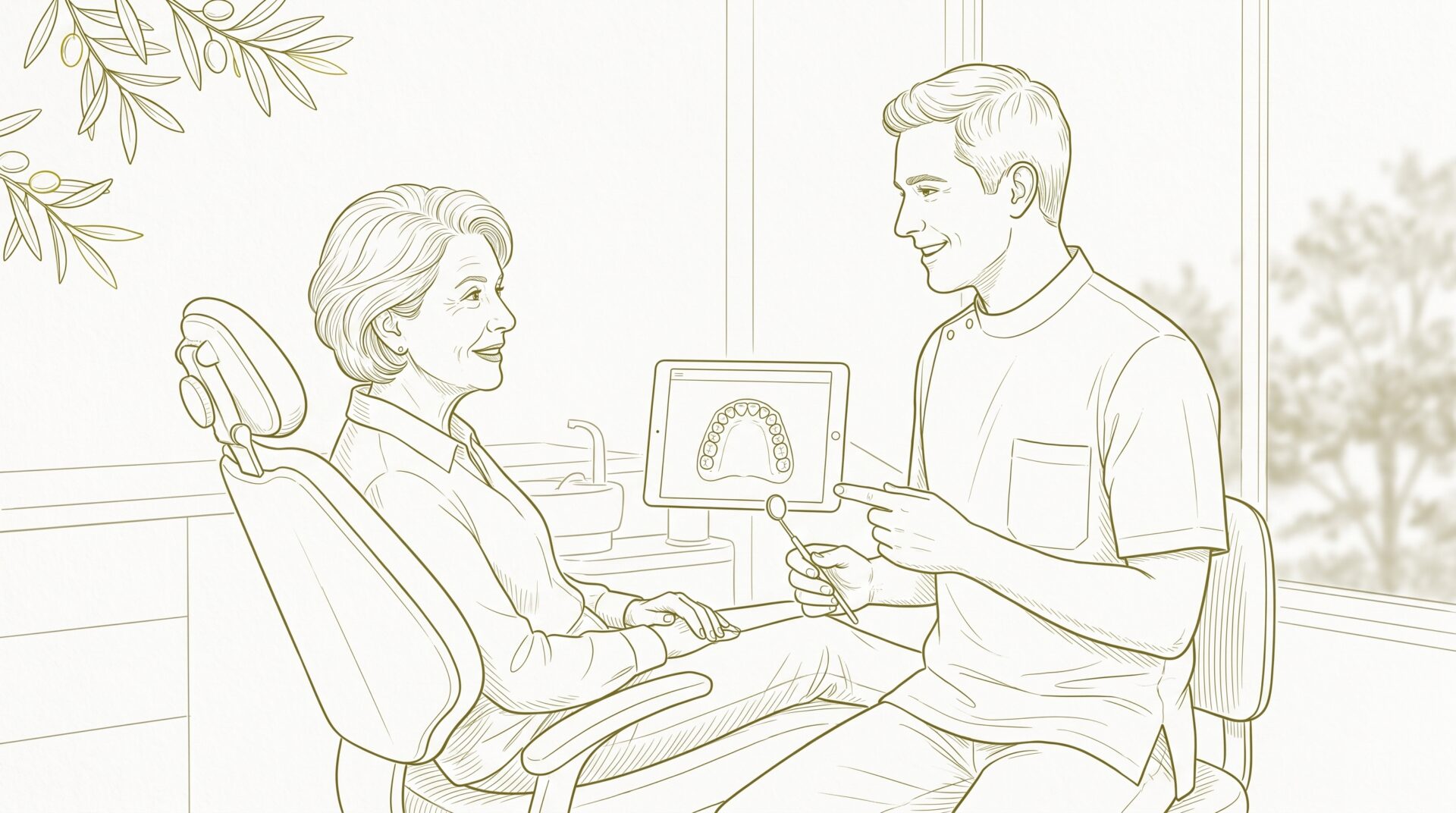
If you are searching for “dentists for seniors near me”, look for a practice that considers your medical history, daily routines, comfort and access needs, not just your teeth. Dentists can support older adults through preventive care, help with dry mouth, gum treatment and assessment of dentures or missing teeth. The right approach depends on your individual circumstances, rather than age alone.
For people in Toorak and nearby Melbourne suburbs, choosing a convenient practice also means checking transport, accessibility and how clearly the team explains treatment options and costs.
How oral care needs can change with age
Losing teeth is not an inevitable part of ageing. However, changes in health, medication use and the ability to brush or clean between teeth can affect oral health. A dentist can help identify these changes and suggest practical ways to manage them.
Gum health and exposed tooth roots
Gum disease affects the tissues that support teeth. Signs may include bleeding, swelling, persistent bad breath or loose teeth, although some people notice few symptoms.
Receding gums can also expose tooth roots. These surfaces are more vulnerable to decay than enamel, the hard outer covering of a tooth. A dentist can assess whether you need changes to your cleaning routine, professional cleaning or additional preventive care.
Treatment should address the findings from your examination. Older age alone is not a reason to recommend extensive dental work.
Dry mouth and medication use
Saliva helps protect teeth and makes chewing and swallowing more comfortable. A persistently dry mouth can increase the risk of decay and make dentures uncomfortable.
As Healthdirect explains in its guidance on dry mouth, medicines and some health conditions can contribute. Management depends on the cause and may include saliva substitutes, preventive dental products or a review with your prescribing clinician.
When comparing “dentists for seniors near me”, ask whether the appointment includes a review of medicines and dry-mouth symptoms. Bring an up-to-date medication list, including non-prescription products. Do not stop or change prescribed medicines without advice from the clinician who manages them.
Dentures, chewing and changes in fit
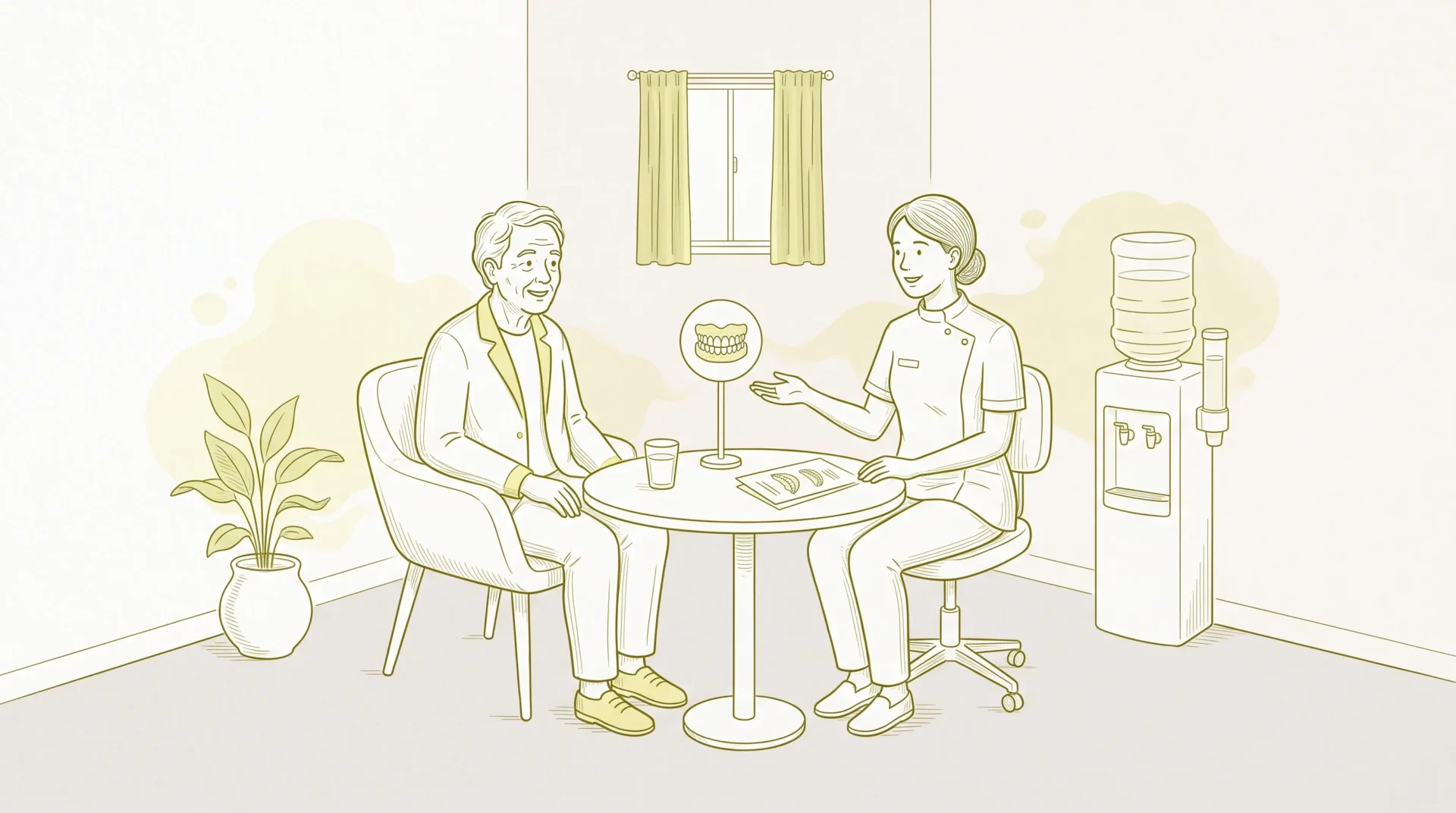
Dentures can become less comfortable as the gums and underlying tissues change. Movement, rubbing or difficulty chewing deserves assessment rather than simply using more denture adhesive.
Depending on the findings, a dentist may discuss adjustments, relining (reshaping the fitting surface) or replacement. Not every concern requires a new denture.
People without natural teeth still need assessment of their dentures and mouth tissues. Your dentist can recommend an appropriate review interval and check any sore areas, changes in fit or persistent irritation.
What to look for when comparing dentists for seniors near me
A nearby location is useful, but practical access and communication matter too. If you live in Toorak, South Yarra, Armadale or Prahran, consider the whole journey, including transport and getting from the entrance to the dental chair.
Before booking, ask questions relevant to your needs:
- Access: Are there steps, a lift or a suitable entrance for your mobility aid?
- Appointment arrangements: Can the team discuss rest breaks or allow time for medical-history questions?
- Communication: Can explanations and written instructions be provided in a format you can comfortably understand?
- Support: Can a family member or carer attend with your permission?
- Costs: Can you receive a written estimate before deciding on treatment?
These are questions to ask, not facilities to assume a practice provides. If transferring into a dental chair is difficult, explain this before the appointment so the team can discuss what is feasible.
Our guide to choosing a dentist that suits your needs covers broader considerations such as communication, services and continuity of care.
What an appointment may involve
A first visit usually begins with your concerns and medical history. Tell the dentist about diabetes, heart conditions, allergies, recent hospital treatment and any changes in your health.
Medicines that affect bleeding or bone health can influence dental planning. These include blood-thinning medicines and some osteoporosis treatments. Do not pause them yourself; where necessary, your dentist can communicate with your treating clinician.
If your search for “dentists for seniors near me” follows a long gap in care, you can explain that when booking. The first appointment can focus on assessing your current needs and discussing priorities, without committing you to a particular procedure.
The examination may include checking teeth, gums, dentures and mouth tissues. X-rays may be recommended when they would help answer a clinical question, rather than automatically because of your age.
You can also explain anxiety, hearing difficulties or problems staying reclined. The approach described in our article on gentle dental care for nervous patients includes clear explanations, consent and opportunities to pause.
A support person can help with remembering information, but you should remain involved in decisions as far as possible. Assistance should respect your preferences, privacy and consent.
Treatment options should match your needs
The aim is to address disease, discomfort and function with care that is appropriate and manageable. A dentist should explain what they have found, what can reasonably be monitored and which concerns may benefit from treatment.
| Concern | Options a dentist may discuss | Important considerations |
|---|---|---|
| Increased risk of decay | Fluoride products, cleaning support and dietary changes | Product choice depends on your risk and ability to use it safely |
| Gum disease | Professional cleaning, gum treatment and home-care changes | Ongoing daily care and review may be needed |
| A damaged or decayed tooth | A filling, crown, root canal treatment or extraction | Suitability depends on the tooth’s condition, expected benefit and treatment burden |
| An uncomfortable denture | Adjustment, relining or replacement | The cause of discomfort needs assessment first |
| Missing teeth | A denture, bridge, implant or leaving the space | Suitability depends on function, oral health, medical history and your preferences |
Search results for “dentists for seniors near me” cannot establish which treatment is suitable for you. That requires an examination and a discussion about benefits, risks, alternatives and likely costs.
For example, implants involve surgery, healing time and ongoing maintenance. Potential risks include infection, healing problems and complications around the implant. They are not necessary for every missing tooth. A less involved option, or no replacement, may be reasonable depending on function and your preferences.
All dental procedures carry potential risks and benefits. Treatment experiences and outcomes vary, so ask what each option would involve in your circumstances.
Practical support for daily oral care
Brush natural teeth twice daily with fluoride toothpaste. Spit out the excess rather than rinsing straight away. Clean between teeth using a method suited to your mouth and hand control, such as interdental brushes or floss.
If arthritis, reduced grip or limited movement makes cleaning difficult, an electric toothbrush or adapted handle may help. Ask your dentist to demonstrate an approach you can manage, rather than buying several products without guidance.
Clean dentures daily with a suitable denture brush and cleaning product. Avoid hot water and abrasive toothpaste, which can damage some denture materials. Dentures are generally removed overnight unless your dentist advises otherwise. Gums, tongue and any remaining teeth also need cleaning.
For dry mouth, regular sips of water may help if consistent with your medical advice. Your dentist can advise whether sugar-free gum or other products are suitable, particularly if you have swallowing difficulties.
The timing of reviews should reflect your individual risk. Our explanation of how often adults should have a dental check-up outlines why there is no single interval that suits everyone.
Costs, Medicare and public dental care in Victoria
If affordability is part of your search for “dentists for seniors near me”, ask for an estimate and a clear explanation of priorities. You can discuss whether suitable treatment can be staged, what maintenance it involves and whether there are less costly alternatives.
Medicare generally does not cover routine adult dental treatment in a private practice. Private health insurance benefits depend on your policy, waiting periods, annual limits and the proposed services. Confirm your cover directly with your insurer.
In Victoria, eligibility for public dental care is based on specific criteria, not simply being a senior. Eligible adults include people holding a Health Care Card or Pensioner Concession Card. A Seniors Card alone does not establish eligibility. The Victorian Government explains access to public dental care services, including eligibility and priority arrangements. Fees or waiting lists may apply.
Toorak Village Dental Care offers interest-free payment plans. Ask the practice about current terms, eligibility and any fees before choosing a payment arrangement. A payment plan does not change whether treatment is clinically appropriate.
When to seek dental or medical advice
Arrange a dental assessment for persistent toothache, bleeding gums, loose teeth, denture sores or difficulty chewing. An ulcer, lump or red or white patch that persists for more than two weeks should also be assessed, even if it is not painful.
Facial swelling, fever or rapidly worsening dental pain needs prompt advice. If swelling affects breathing or swallowing, call 000 or attend an emergency department.
These symptoms can have different causes. An examination is needed to determine what is happening and whether treatment is required.
Frequently asked questions
How do I find dentists for seniors near me who can accommodate mobility needs? Contact the practice before booking and describe your mobility aid, transfer needs and any difficulty reclining. Ask specific questions about entrances, steps and appointment arrangements rather than relying on a general accessibility description.
Do seniors need a specialist dentist? Not necessarily. A general dentist can assess many common concerns affecting older adults. Referral may be appropriate when a condition, procedure or medical situation requires additional expertise or a different care setting.
Is it worth seeing a dentist if I have full dentures? Yes. Denture fit, comfort and mouth tissues still need attention. Your dentist can recommend a review interval based on your circumstances, rather than assuming everyone needs the same schedule.
Can a carer help with brushing? Assistance can be useful when someone cannot clean effectively on their own. Ask a dental professional to demonstrate a suitable approach that respects the person’s comfort, consent and any swallowing difficulties.
Discussing your oral care in Toorak
Toorak Village Dental Care provides general dentistry and tailored treatment plans. To discuss dry mouth, chewing concerns or ongoing care, you can arrange an appointment with the team. Mention any access or support needs when booking so these can be discussed beforehand.
An assessment can help clarify your priorities and the potential benefits, risks and alternatives, leaving you better informed before deciding on treatment.
Disclaimer
The information provided on this website is for general informational and educational purposes only. It is not intended to replace professional dental advice, diagnosis or treatment. Dental needs and treatment outcomes vary between individuals. Always seek advice from a qualified dental practitioner regarding your specific circumstances before making decisions about your oral health or treatment. A consultation and clinical assessment are required to determine which treatment options may be suitable for you. All dental procedures carry potential risks and benefits, which will be discussed with you before treatment.