

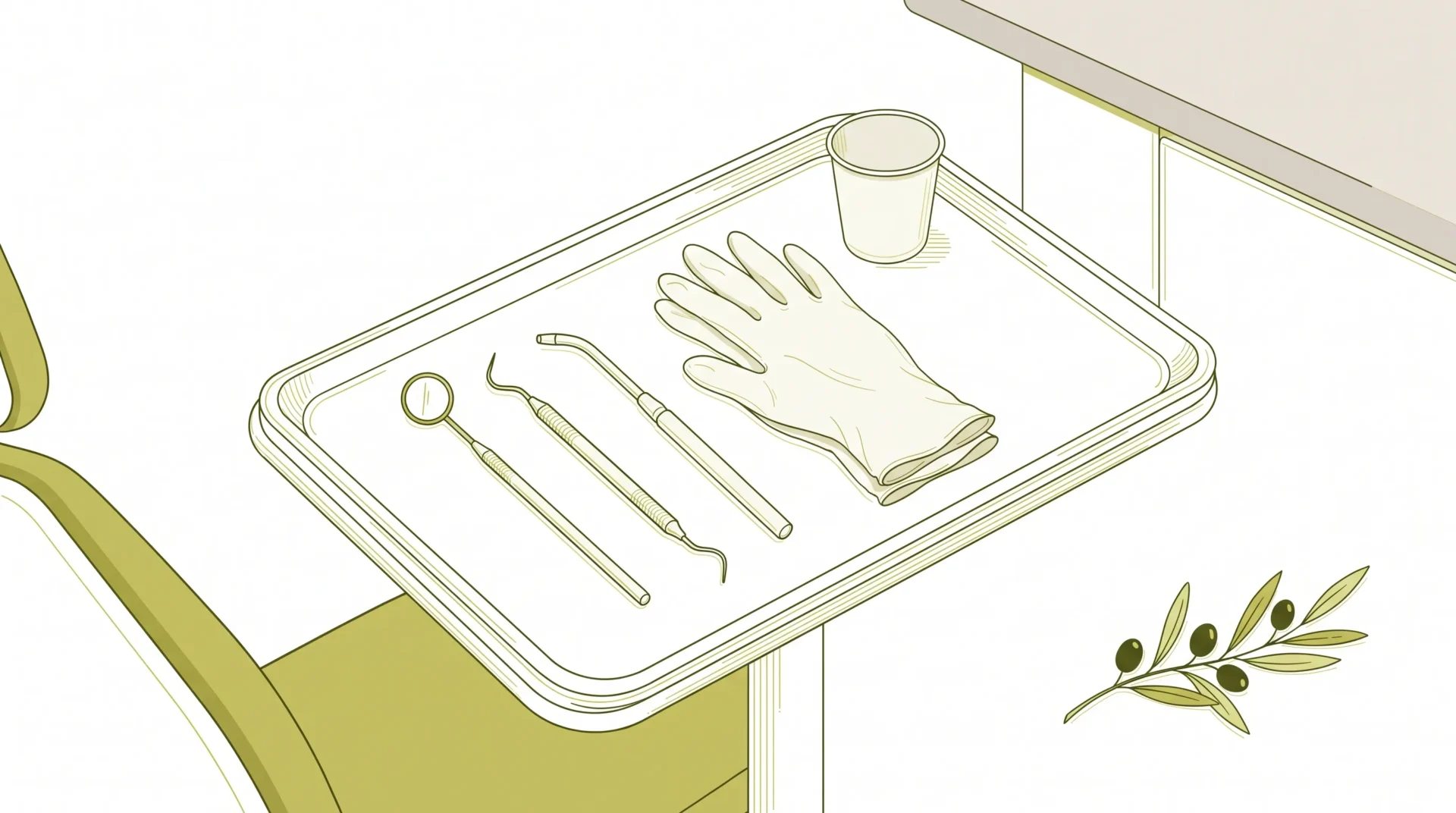
A dentist new patient appointment usually involves discussing your health and concerns, examining your mouth and explaining any recommended next steps. Depending on why you are attending, it may also include X-rays, cleaning or assessment of a specific problem. These are not automatically needed at every first visit.
Whether you are changing practices, returning after a long break or arranging care in Toorak for the first time, the appointment helps your dentist understand your needs. You can ask questions, explain what feels comfortable and discuss costs before deciding about treatment.
What does a dentist new patient visit involve?
A first appointment is partly about establishing a starting point for your care. Your dentist may not yet have your previous records, so they will need to understand your medical history, past dental treatment and current concerns.
The appointment’s focus also depends on what you booked. A general examination, an urgent toothache assessment and a cosmetic consultation have different purposes.
| Reason for the appointment | Likely focus | What may require another visit |
|---|---|---|
| General new patient examination | Reviewing your history and assessing your teeth, gums and other oral tissues | Treatment or cleaning, depending on findings and available time |
| Pain, swelling or a damaged tooth | Assessing the immediate concern and discussing appropriate care | A broader examination or further treatment |
| Cosmetic enquiry | Understanding your preferences and assessing oral health and suitability | Detailed planning or any treatment you choose to pursue |
When booking, describe your main concern rather than assuming that every service will be included. This helps the practice arrange an appropriate appointment.
The conversation before the examination
Your medical history and medicines
Your dentist may ask about medical conditions, allergies, pregnancy, previous procedures and medicines, including supplements. This information can affect treatment planning, medicine choices and precautions.
For example, medicines that affect blood clotting may be relevant if a procedure could cause bleeding. Some medicines can also contribute to dry mouth. Do not stop or change prescribed medicines yourself because of an upcoming dental visit. Your dentist can discuss whether advice from your prescribing clinician is needed.
If you are unsure of a medicine’s name, a current medication list or a photo of its packaging can be useful. You can also mention any changes since completing the practice’s forms.
Your dental history and priorities
At a new patient visit to the dentist, your own account is an important part of the assessment. You might describe sensitivity, bleeding gums, difficulty chewing or a concern about the appearance of a tooth.
It is also useful to explain previous treatment experiences, including anything that made appointments difficult. There is no need to apologise if it has been years since your last visit. Knowing that history helps the dentist interpret what they find.
If you are transferring from another practice, ask whether previous records or X-rays would be helpful. Records generally need your authorisation before they can be shared. Our guide to preparing for a dentist appointment covers what information to gather beforehand.
What the dental examination may cover
The examination is guided by your symptoms, history and the appointment’s purpose. Your dentist may assess your teeth, existing fillings or other restorations, gums and how your teeth meet when you bite.
They may also examine the soft tissues inside your mouth, including your tongue, cheeks and palate. If gum health needs closer assessment, they may take measurements around the teeth to check the spaces between the teeth and gums.
An examination can identify findings that need further investigation, but it does not reveal every problem on its own. A tooth may require additional tests, imaging or review before the dentist can explain the likely cause of a symptom.
The Healthdirect guide to dental check-ups provides general information about examinations and preventive care. The scope of your own visit should still reflect your circumstances rather than a fixed checklist applied to everyone.
Will you need dental X-rays?
X-rays may be recommended when they could provide information that is not visible during the examination, such as decay between teeth or changes around a tooth’s roots.
A new patient dental appointment does not automatically require new X-rays. Your dentist should consider your symptoms, examination findings, dental history and any suitable previous images.
Dental X-rays use ionising radiation. Exposure is generally low, but imaging should still have a clinical reason. Tell your dentist if you are pregnant or may be pregnant so they can consider this when planning care.
You can ask what the image is intended to show and how it may affect the recommended next step. If you prefer not to proceed, ask what uncertainty would remain and whether another approach is available.
Is a clean or treatment included on the day?
Cleaning may be available during the first appointment, but it depends on what you have booked, your gum health and the time required for assessment. It is reasonable to check this when arranging the visit.
A routine clean and treatment for more significant gum disease are not necessarily the same procedure. If your gums need a more detailed assessment or additional care, your dentist can explain why and discuss the options.
Similarly, identifying a problem does not mean treatment must begin immediately. Some findings need monitoring, further tests or a separate appointment. Others may need prompt attention, particularly when pain, infection or injury is involved.
Before a procedure, you should understand what is proposed, why it may help and its relevant risks and limitations. Consent to an examination is not blanket consent to every possible treatment.
Your comfort and consent during the appointment
If you are nervous about a new patient visit to the dentist, mention it when booking and again at the appointment. You do not need to wait until an examination has become uncomfortable.
You can ask for explanations before instruments are used, agree on a hand signal for a pause or request breaks. Let the dentist know if lying back, keeping your mouth open or a previous experience is a particular concern.
Comfort measures and treatment experiences vary between patients. The team can discuss what may be appropriate rather than promise that an appointment will be painless. Our article on gentle dental care for nervous patients explains communication and consent in more detail.
The Australian Charter of Healthcare Rights includes rights to information and participation in decisions about your care. You can ask for clarification or more time to consider a non-urgent recommendation.
Understanding the findings and your choices
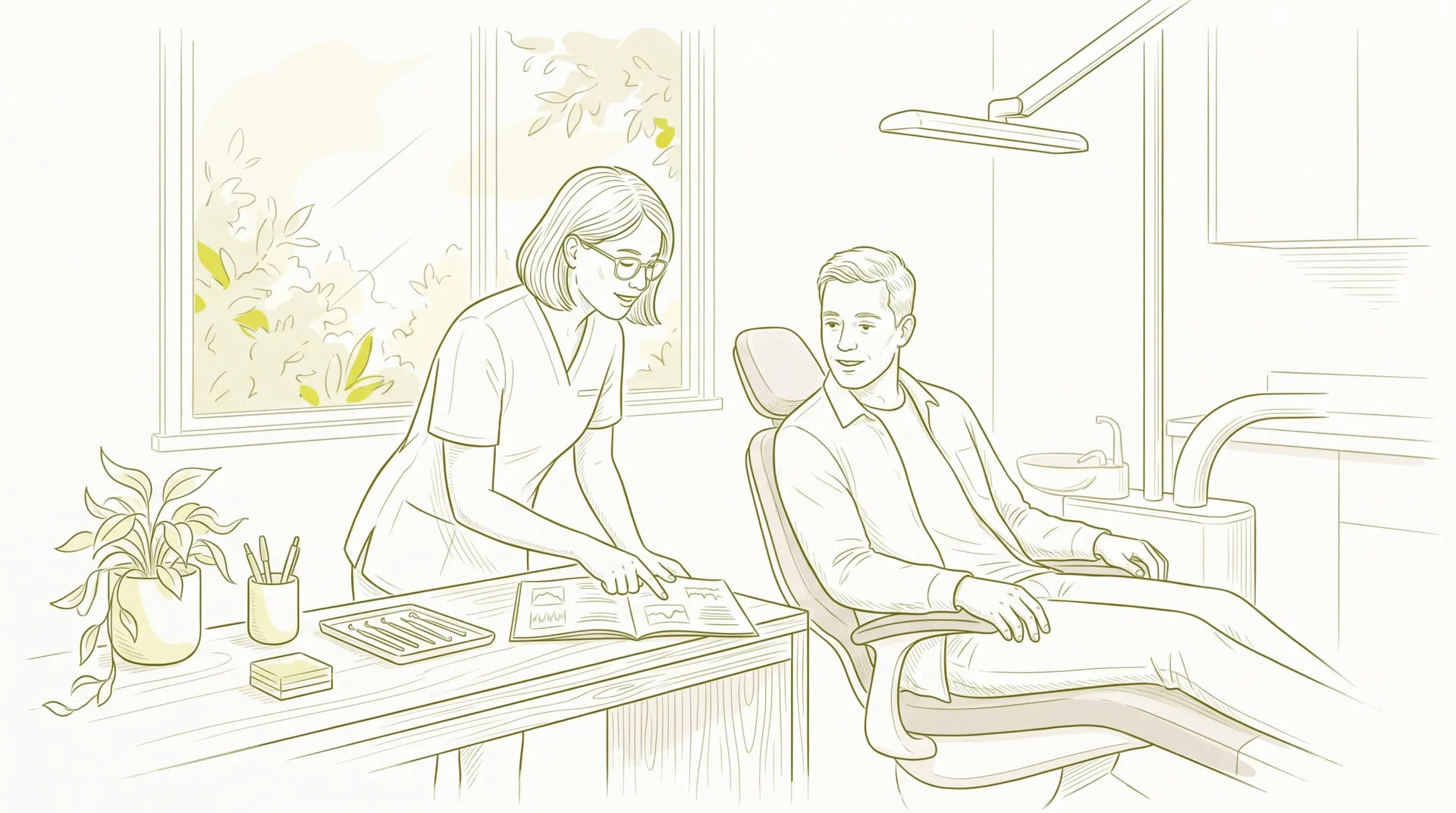
After the assessment, your dentist should explain what they found in everyday language. Where useful, they may show you an image or point out the area being discussed.
For a new dental patient, a helpful treatment discussion separates immediate concerns from matters that can be reviewed later. Not every finding requires a procedure, and cosmetic preferences should be distinguished from oral health needs.
Depending on the findings, options may include monitoring, preventive care, treatment or referral. Ask what each option involves, its likely benefits and limitations, relevant risks and what could happen if treatment is delayed or declined.
Useful questions include:
- What have you found, and how certain is the diagnosis?
- Does this need attention soon, or can it be monitored?
- What alternatives are available, including no treatment where appropriate?
- What costs and follow-up appointments should I expect?
You can also use these questions to ask about your dental health to guide the conversation. For complex or non-urgent decisions, it is reasonable to request a written plan or consider a second opinion.
Discussing fees before proceeding
When booking, ask what the first appointment fee covers and whether imaging, cleaning or other services may be charged separately. There is no single fee that applies to every new patient dental visit.
If treatment is proposed, ask for an itemised estimate and whether further findings could change it. A treatment plan can also explain which parts are more time-sensitive and whether care can reasonably be staged.
Private health insurance benefits depend on your policy, annual limits, waiting periods and the services provided. An estimate from a practice does not guarantee what your insurer will pay.
If affordability is a concern, say so. You can ask about appropriate alternatives and any available payment arrangements, including their eligibility requirements, fees and repayment conditions, before agreeing to them.
What happens after the first visit?
Before leaving, clarify whether another appointment is recommended and what it is for. A follow-up might involve treatment, reviewing symptoms, completing an assessment or monitoring a finding.
If a procedure was performed, ask about aftercare, expected symptoms and signs that should prompt contact with the practice. If the appointment was an assessment only, you may leave with advice and a plan rather than having treatment that day.
Your dentist can also recommend a review interval based on your oral health and risk factors. A new patient visit establishes the starting point, but the timing of future care should be individualised rather than assumed to be the same for everyone.
When symptoms should change your booking
If you have tooth pain, swelling, a broken tooth or a dental injury, describe this when contacting the practice. A routine new patient appointment may not be the most appropriate booking for an urgent concern.
Seek prompt dental advice for worsening pain, swelling or signs of infection. If swelling affects breathing or swallowing, call 000 or attend an emergency department. These symptoms require urgent medical assessment, not a wait for a routine examination.
Frequently asked questions
How long does a first dental appointment take? It varies with the appointment type, your concerns and whether imaging or other care is included. Ask the practice for an estimated duration when booking, particularly if you need time to discuss several issues.
Do I have to agree to treatment at my first visit? No. You can ask about benefits, risks, alternatives and costs before deciding. If a problem is time-sensitive, the dentist should explain the implications of delaying care so you can make an informed choice.
Can I attend if I have not seen a dentist for years? Yes. Tell the dentist about the gap and any current concerns. The assessment can establish what care, if any, is appropriate without assuming that you need extensive treatment.
Should I bring previous dental X-rays? Ask whether they would be useful and how to arrange their transfer. Existing images may help, but their age, quality and relevance affect whether additional imaging is needed.
Arranging your first appointment in Toorak
To discuss a first appointment at Toorak Village Dental Care, let the team know your main concern and any communication or comfort needs. Ask what the booking includes so you can arrive with clear expectations and make informed decisions about any recommended care.
Disclaimer
The information provided on this website is for general informational and educational purposes only. It is not intended to replace professional dental advice, diagnosis or treatment. Dental needs and treatment outcomes vary between individuals. Always seek advice from a qualified dental practitioner regarding your specific circumstances before making decisions about your oral health or treatment. A consultation and clinical assessment are required to determine which treatment options may be suitable for you. All dental procedures carry potential risks and benefits, which will be discussed with you before treatment.