

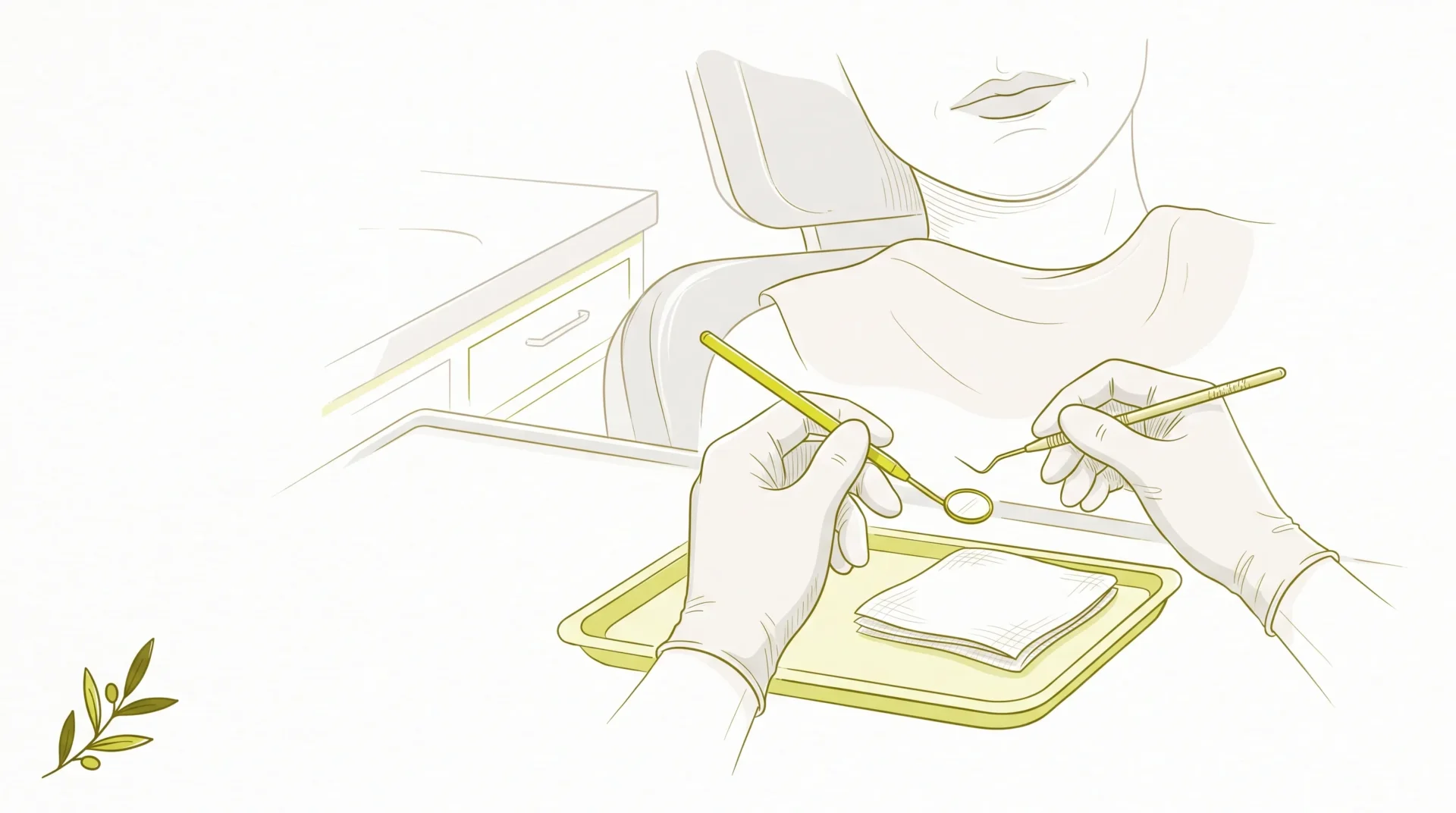
A dentist appointment is easier to manage when you know what to bring, what to mention and what is likely to happen. For most routine visits, preparation is simple: confirm your booking details, gather any relevant health information and make a note of questions you would like answered. If you are visiting a clinic in Toorak Village, or travelling from South Yarra, Armadale, Prahran, Malvern or Hawthorn, a little planning can also make arrival less rushed.
Why preparation helps, even for a routine visit
Preparation is not about having spotless teeth or knowing dental terms. It is about helping your dental team understand your health, your concerns and what matters to you before any examination or treatment is discussed.
A routine dental visit may include an oral examination, gum check, discussion of symptoms, X-rays if clinically indicated and advice about home care. Some visits are focused on a specific concern, such as toothache, a broken filling, bleeding gums, wisdom teeth or a cosmetic question. The more context you can provide, the easier it is for your dentist to explain appropriate options.
It helps your dentist understand your overall health
Your mouth is connected to your general health. Medical conditions, pregnancy, allergies, prescription medicines and previous dental experiences can all influence dental planning. For example, some medicines can contribute to dry mouth, which may increase the risk of tooth decay. Some health conditions may affect healing or bleeding risk.
You do not need to decide what is relevant on your own. Bring the information you have and let your dentist ask questions. If you are unsure what a routine visit may involve, this guide to what happens at a gentle dental appointment explains the process in more detail.
How to prepare for a dentist appointment: a practical checklist
The most useful preparation starts before you leave home. A short checklist can reduce uncertainty and give you a clearer conversation with your dentist.
Confirm the reason for your visit
When booking or confirming, describe the main reason for attending. A check-up, chipped tooth, gum concern, whitening consultation and toothache appointment may each need a different amount of time. If your symptoms have changed since you booked, let the clinic know before you arrive.
If your dentist appointment is for pain, swelling, trauma or a broken tooth, mention when it started, what makes it worse, whether you have taken pain relief and whether there has been fever or facial swelling. This helps the clinic understand whether a longer or more prompt appointment may be appropriate.
Gather practical information
Bring enough information for the team to understand your health and payment arrangements. This may include:
- Your Medicare card, private health fund card or concession details if relevant
- A list of current medicines, supplements and known allergies
- Details of any medical conditions, recent surgery or pregnancy
- Previous dental X-rays or records if another clinic has supplied them
- Mouthguards, retainers, dentures, aligners or whitening trays you use
- A list of questions or concerns you do not want to forget
Do not stop any prescribed medicine before a dental visit unless your medical practitioner or dentist has specifically advised you to do so. If you take blood-thinning medication, bisphosphonates, diabetes medication or medicines affecting your immune system, mention this when you book and again at the appointment.
Use a simple timing plan
| When | What to do | Why it helps |
|---|---|---|
| A few days before | Confirm the appointment time and reason for the visit | Allows the clinic to plan suitable time and information |
| The day before | Write down symptoms, medicines and questions | Reduces the chance of forgetting details |
| On the day | Brush as normal, eat as instructed and arrive a little early | Gives time for forms and a calmer start |
| During the visit | Ask about findings, options, risks and costs | Supports informed decisions |
| After the visit | Follow written advice and book follow-up if recommended | Helps you keep track of the next steps |
For children, eligibility under the Child Dental Benefits Schedule depends on individual circumstances. Services Australia provides current information about the Child Dental Benefits Schedule, including eligibility and claiming details.
What to do before you arrive
For most check-ups and consultations, you can eat and drink normally before attending. If your appointment involves a specific procedure, sedation discussion or surgical treatment, follow the instructions given by the clinic. Do not fast unless you have been told to, as unnecessary fasting can make some people feel light-headed.
Brush normally, but do not worry about perfection
Brush your teeth as you usually would and clean between your teeth if that is part of your routine. Avoid brushing aggressively just before the visit, especially if your gums are tender, as this can make them more irritated.
Your dentist is not there to judge your home care. They are looking for signs of tooth decay, gum inflammation, wear, cracks, soft tissue changes and other oral health concerns. The Australian Dental Association’s patient website, Teeth.org.au, has plain-language information on oral health topics if you want to read more before or after your appointment.
Allow a little extra time
Arriving 5 to 10 minutes early can be helpful, especially if you are a new patient or need to update forms. In Toorak Village, local parking and traffic can vary depending on the time of day, so allow extra time if you are coming from another part of Melbourne.
If you are running late, call the clinic. Depending on the schedule and the type of care planned, the team may still be able to see you or may need to adjust the appointment.
If you are nervous, busy or bringing someone with you
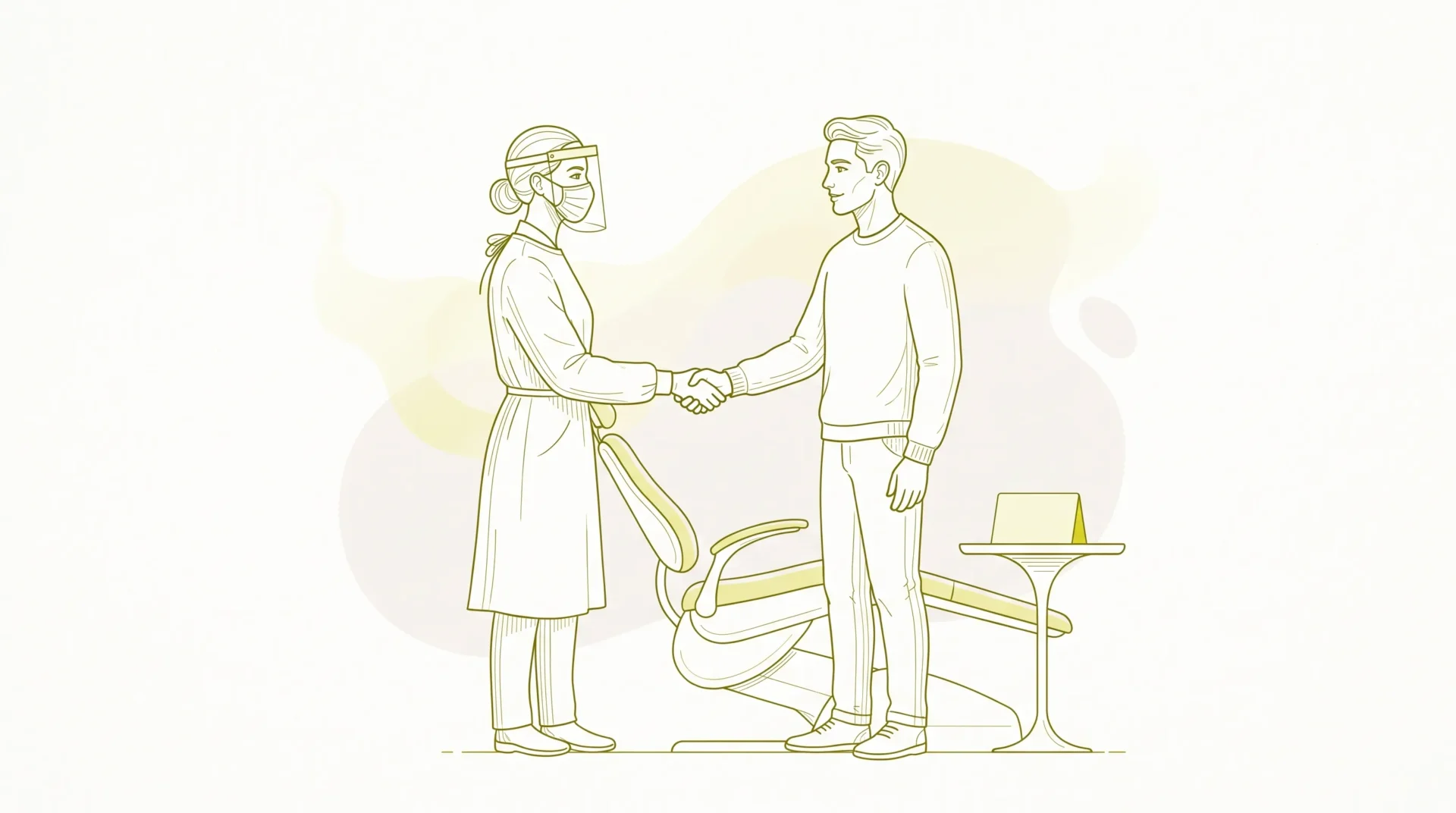
A dentist appointment can feel more manageable when you tell the team what you need before treatment begins. Many people feel uneasy about dental visits, particularly if they have had a difficult experience in the past or are worried about discomfort, cost or what the dentist may find.
If you feel anxious
Tell the clinic when you book and remind the dentist when you arrive. You can ask for explanations before anything is done, agree on a pause signal and request breaks where clinically appropriate. For some patients, knowing what will happen next is enough to reduce worry. Others may need a slower appointment or a separate consultation before committing to treatment.
Dental care should involve consent. This means your dentist explains the relevant findings, options, likely benefits, possible risks and alternatives before treatment proceeds. Treatment outcomes and experiences vary between patients, so a clinical assessment is needed before recommending a specific approach.
If anxiety is a major concern, this article on gentle dental care for nervous patients may help you understand the communication and pacing options that can be discussed.
If your child is attending
Children often respond well to simple, honest language. Avoid using frightening words or promising that nothing will feel unusual. Instead, you might say the dentist will count their teeth, check their gums and explain what they are doing.
For a first visit, bring any health information, Medicare details and comfort items if appropriate. You can also read the clinic’s guide to preparing your child for their first dental visit for age-appropriate tips.
If someone is coming with you
It is fine to bring a support person if that helps you feel more comfortable, provided there is enough space and it does not interfere with clinical care. If another person needs to make decisions with you, tell the clinic when booking so there is time for discussion.
For busy workdays, consider whether you will need time afterwards. A check-up may not require much recovery time, but treatment such as an extraction, root canal appointment or surgical consultation may involve specific aftercare instructions.
Questions worth asking during your visit
Good questions help you understand your oral health and avoid making decisions based on guesswork. You do not need to ask everything at once, but it can help to write down what matters most to you.
Useful questions may include:
- What have you noticed about my teeth, gums or bite today?
- Do I have signs of decay, gum disease, tooth wear or cracking?
- Are X-rays recommended, and what information would they provide?
- What are the options if treatment is needed?
- What are the risks, limitations, costs and alternatives?
- How often should I return, based on my individual risk?
If you would like a more detailed prompt list, this guide to questions to ask about your dental health may be useful before your next visit.
Your dentist may also ask about your diet, brushing routine, flossing or interdental cleaning, snoring, grinding, sports mouthguards, smoking or vaping. These questions are not about blame. They help build a clearer picture of your risk factors and what advice may be realistic for you.
Preparing for different types of dental visits
The right preparation depends on the reason for your booking. A routine check-up is different from an urgent toothache appointment, and a cosmetic consultation is different from treatment for infection or trauma.
Routine check-up or clean
For a check-up, bring your health information, appliances and questions. If it has been a long time since your last visit, say so. Your dentist can assess your current oral health and discuss a recall interval based on your needs rather than assuming the same schedule suits everyone.
X-rays may be recommended if they are needed to check areas not visible during the examination, such as between teeth or under existing fillings. Your dentist should explain why any X-ray is being considered.
Toothache, swelling or dental injury
If your dentist appointment is for toothache or injury, note the location, timing, type of pain and any triggers such as cold, heat, biting or lying down. Bring details of pain relief you have taken and any antibiotics prescribed by another health professional.
Some symptoms need prompt assessment. Facial swelling, fever, spreading infection, uncontrolled bleeding, dental trauma or difficulty swallowing or breathing should not be ignored. If breathing or swallowing is affected, call 000 or attend a hospital emergency department. For general health information, healthdirect’s oral health resource is a useful Australian reference.
Cosmetic or longer treatment discussions
If the visit is about whitening, veneers, implants, aligners or another cosmetic concern, think about what you want to understand rather than trying to decide on treatment beforehand. Your dentist will need to assess your teeth, gums, bite, medical history and expectations before discussing whether an option may be suitable.
All dental procedures carry potential risks and benefits. For example, whitening may not change the colour of crowns or fillings, implant treatment depends on bone and gum health, and restorations may need maintenance over time. A balanced conversation should include alternatives, likely timeframes and fees before you decide whether to proceed.
After your appointment
Before you leave, check that you understand any findings, recommendations and next steps. If treatment has been advised, you can ask for written information, an estimate and time to consider your options. It is reasonable to ask what may happen if you delay treatment, whether monitoring is possible and whether there are staged options.
If you receive local anaesthetic, avoid chewing on a numb area until normal feeling returns. Follow any specific advice about eating, brushing, medicines or activity. If symptoms worsen after treatment, or if you are unsure whether what you are feeling is expected, contact the clinic for guidance.
Frequently asked questions
What should I bring to a dentist appointment? Bring your Medicare card if relevant, private health fund card, a list of medicines and allergies, details of medical conditions and any dental appliances such as retainers, dentures, aligners or mouthguards. If you have recent dental X-rays from another clinic, ask whether they can be forwarded before the visit.
Should I brush and floss before seeing the dentist? Brush as normal and clean between your teeth if that is part of your usual routine. There is no need to over-clean or brush harshly before the appointment, as this can irritate your gums.
Can I eat before a dental visit? For most check-ups and consultations, yes. If a procedure has special instructions, follow the advice given by the clinic. Do not fast unless you have been specifically asked to do so.
What if I feel embarrassed about my teeth? Tell the dental team if embarrassment or anxiety is making it harder to attend. Dental examinations are about understanding your oral health and discussing suitable options, not judging your appearance or past habits.
How early should I arrive? Arriving 5 to 10 minutes early is usually enough for forms and settling in. Allow extra time if you are new to the clinic, need to update medical information or are travelling through busy local traffic.
Arranging an appointment in Toorak
If you are planning a dentist appointment in Toorak, a dental examination can help determine the cause of symptoms and which options may be appropriate. To discuss your concerns, you can book an appointment with Toorak Village Dental Care and share any health details, questions or worries when you attend.
Disclaimer
The information provided on this website is for general informational and educational purposes only. It is not intended to replace professional dental advice, diagnosis or treatment. Dental needs and treatment outcomes vary between individuals. Always seek advice from a qualified dental practitioner regarding your specific circumstances before making decisions about your oral health or treatment. A consultation and clinical assessment are required to determine which treatment options may be suitable for you. All dental procedures carry potential risks and benefits, which will be discussed with you before treatment.