

A family dental clinic visit usually includes a conversation about your health, an examination of your teeth, gums and mouth, any clinically needed X-rays, cleaning if suitable and a clear discussion about next steps. For families in Toorak, South Yarra, Armadale, Prahran and nearby Melbourne suburbs, it can also be a practical way to keep children, adults and older family members on track in one familiar setting.
The aim is not to rush into treatment. A good visit should help you understand what is happening in your mouth, what options may be available and what decisions can wait until you have had time to consider them. Your dentist can only recommend care after assessing your individual oral health, medical history, concerns and preferences.
What a family dental clinic visit usually includes
A visit may look slightly different depending on whether you are attending for a routine check-up, a new concern, a child’s appointment or a review of previous treatment. At a family dental clinic, the appointment can usually be adapted for different ages and comfort levels, which is helpful when several family members have different needs.
Most first or routine visits include the same broad stages: a welcome and health update, an oral examination, discussion of findings and advice about prevention or treatment. Some visits also include a professional clean, fluoride discussion, X-rays or referral for more complex care if that is appropriate.
| Part of the visit | What it may involve | Why it matters |
|---|---|---|
| Health and dental history | Questions about medical conditions, medications, allergies, pregnancy, previous dental care and current concerns | Helps the dentist assess risks and plan care safely |
| Oral examination | Checking teeth, gums, bite, existing fillings, crowns, soft tissues and jaw function | Helps identify concerns that may need monitoring or treatment |
| X-rays if clinically needed | Small images of teeth, roots or supporting bone | May help detect issues not visible during the examination |
| Cleaning if suitable | Removal of plaque, tartar and surface staining, often called a scale and polish | Supports gum health and helps with home-care planning |
| Discussion and planning | Explanation of findings, options, likely costs and timing | Helps you make informed decisions without pressure |
If you want a more detailed breakdown of what may be included in a routine appointment, Toorak Village Dental Care has a guide to dental services that may be part of a check-up.
Before your appointment: what to bring and mention
If it is your first appointment at a family dental clinic, it is useful to bring any information that may affect your care. This does not need to be complicated, but accurate details help your dentist understand the bigger picture.
You may be asked about:
- Current medications, allergies and relevant medical conditions
- Pregnancy or recent changes in health
- Private health insurance details, if you have cover
- Previous dental X-rays or records, if available
- Dental concerns such as sensitivity, bleeding gums, jaw pain or broken teeth
- Anxiety, past difficult dental experiences or anything that may make treatment harder
Parents may also bring a child’s Medicare details if they want to check whether the Child Dental Benefits Schedule may apply. Eligibility and covered services can change, so the most reliable place to check current information is Services Australia’s Child Dental Benefits Schedule page.
It is also reasonable to mention practical limits, such as school pick-up times, work commitments or whether several family members need appointments close together. The dental team can then explain what is possible and how much time to allow.
The first conversation should set the tone
A family dental clinic appointment should begin with questions, not assumptions. Your dentist may ask why you booked, whether anything is painful or uncomfortable and what you would like help understanding. For children, the conversation is often kept simple and age-appropriate so the visit feels less overwhelming.
Consent is part of good dental care. Before an examination, X-ray or treatment, the dentist should explain what they are doing and why. You can ask to pause, clarify a recommendation or discuss alternatives. If you are nervous, it can help to agree on a hand signal before the examination begins.
For patients who feel anxious about dentistry, small communication choices can make a meaningful difference. This may include explaining instruments before they are used, taking breaks or separating an examination from treatment planning. The article on what happens at a gentle dental appointment explains this approach in more detail.
What happens during the dental examination
During a visit to a family dental clinic, the examination is usually more than a quick look at the teeth. Your dentist may check your gums for signs of inflammation, assess how your teeth meet when you bite, look at existing fillings or crowns and examine the tongue, lips, cheeks and roof of the mouth.
Dental X-rays are not taken for everyone at every visit. They may be recommended when the dentist needs more information, such as checking between teeth, assessing a toothache, reviewing wisdom teeth or planning treatment. X-rays involve radiation, so the dentist should consider whether the expected benefit is appropriate for your situation.
A professional clean may be offered if it is suitable on the day. This can involve removing hardened plaque, called tartar or calculus, and polishing the teeth. Some people experience temporary gum tenderness or sensitivity afterwards, especially if there has been gum inflammation or heavy build-up. Your dentist can explain what is expected and when to seek advice if symptoms do not settle.
What to expect for children and teenagers
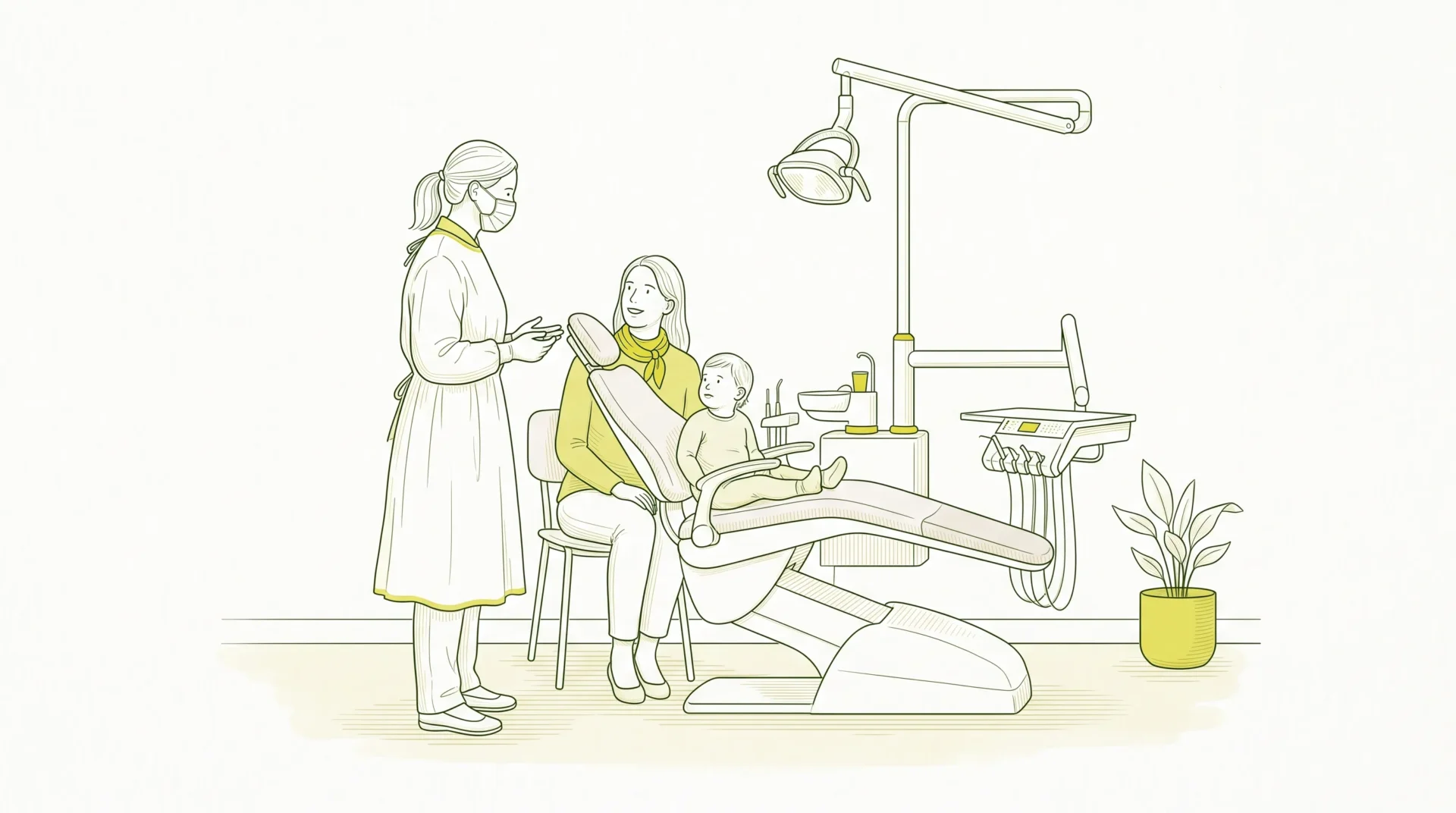
Children’s visits are often shorter, calmer and more focused on familiarity, prevention and education. A young child may simply sit in the chair, count teeth, have a gentle examination and learn how dental instruments work. Not every child needs cleaning or X-rays at their first visit.
A family dental clinic can be convenient because the same team can consider how routines work at home, including brushing, snacks, sports mouthguards and school schedules. For toddlers and younger children, parents may be asked about bottle use, thumb sucking, brushing help and whether teeth have erupted as expected.
Teenagers may need different support. Their appointment may include discussion about wisdom teeth, orthodontic concerns, mouthguards for contact sport, gum health, diet, vaping or brushing around braces. These conversations should be practical and non-judgemental, not embarrassing.
If your child is preparing for an early appointment, the guide on preparing your child for their first dental visit covers ways to talk about the visit before the day arrives.
Treatment planning, costs and choices
After a family dental clinic visit, the dentist may recommend monitoring, preventive care or treatment. For example, they may suggest watching an early area of enamel change, placing a filling, managing gum inflammation, reviewing wisdom teeth or discussing cosmetic options if you have raised aesthetic concerns.
A balanced treatment discussion should include the reason for the recommendation, possible benefits, likely limitations, fees, alternatives and what may happen if treatment is delayed or not chosen. In some cases, no immediate treatment is needed and monitoring may be appropriate. In other cases, delaying care may increase complexity, but that depends on the condition and your individual circumstances.
All dental procedures carry potential risks and benefits. For example, fillings can require local anaesthetic and may feel sensitive afterwards. Root canal therapy, extractions, whitening, implants and cosmetic dentistry all have different suitability factors and possible risks. Your dentist should explain these in the context of your oral health, medical history and treatment goals.
Questions worth asking include:
- What did you find during the examination?
- Is this urgent or can it be monitored?
- What are the reasonable options?
- What are the risks and limitations of each option?
- What fees, payment options or rebates may apply?
Toorak Village Dental Care offers payment plans, including interest-free payment plans, and support with children’s dental benefits where relevant. Fees and eligibility vary, so these details are best discussed directly with the clinic before treatment begins.
Routine visits compared with urgent appointments
A routine family dental clinic appointment is usually planned around prevention, checking for changes and discussing concerns early. An urgent appointment is different. It may focus on a specific problem such as dental pain, swelling, trauma, a broken tooth, bleeding that does not stop or a lost adult tooth.
If you have facial swelling, fever, difficulty breathing, difficulty swallowing or significant trauma, you may need urgent medical or dental assessment. For a medical emergency in Australia, call 000. For dental concerns that are uncomfortable but not life-threatening, contacting a dentist promptly can help determine what level of care is appropriate.
It is still reasonable to ask questions during urgent visits. The first appointment may be about diagnosis, pain control or stabilising the tooth rather than completing definitive treatment on the same day.
How often should your family visit?
There is no single schedule that suits everyone. Some people need more frequent reviews because of gum disease, high decay risk, dry mouth, complex dental work, medical conditions or orthodontic appliances. Others may be advised that a longer interval is suitable.
Your dentist can suggest a recall schedule after examining your mouth and considering your risk factors. General oral health information for Australian patients is also available through the Australian Dental Association’s patient resource, Teeth.org.au.
For families, planning ahead can make appointments easier to manage. School holidays, work rosters and sports seasons can fill quickly, so booking routine care before a busy term may reduce last-minute stress. That said, appointments should be based on need rather than a fixed idea that everyone requires the same treatment.
Frequently Asked Questions
Can several family members attend on the same day? This depends on appointment availability, the length of each visit and the type of care needed. Some families prefer coordinated appointments, while others find separate visits easier for young children or more complex concerns.
Will my child need treatment at the first visit? Not necessarily. A first child appointment may only involve a gentle examination, counting teeth and advice for parents. If treatment is recommended, the dentist should explain why, what options are available and whether it needs to happen soon.
Do I need X-rays at every check-up? No. Dental X-rays are recommended based on clinical need, not automatically at every visit. Your dentist should explain why an X-ray is being suggested and how it may help with assessment or planning.
What if I have not seen a dentist for years? You can still book an assessment. The appointment can start with a discussion, examination and explanation of findings. If treatment is needed, your dentist can help prioritise options according to urgency, suitability and your circumstances.
Is a family dental clinic only for children? No. It generally means the clinic can care for different age groups, including children, teenagers, adults and older adults. The care recommended should still be tailored to each person, not applied as a one-size-fits-all plan.
Arranging a visit in Toorak
If you are looking for a family dental clinic in Toorak, an initial appointment can help you understand your current oral health and the options that may be appropriate. Toorak Village Dental Care provides general dentistry, children’s dentistry, cosmetic treatments, emergency dental care and other services for patients with different needs.
To discuss your concerns, you can contact Toorak Village Dental Care or use the clinic’s online booking options to arrange an assessment in Toorak. Your dentist can assess your oral health and explain the potential benefits, risks and alternatives before any treatment decisions are made.
Disclaimer
The information provided on this website is for general informational and educational purposes only. It is not intended to replace professional dental advice, diagnosis or treatment. Dental needs and treatment outcomes vary between individuals. Always seek advice from a qualified dental practitioner regarding your specific circumstances before making decisions about your oral health or treatment. A consultation and clinical assessment are required to determine which treatment options may be suitable for you. All dental procedures carry potential risks and benefits, which will be discussed with you before treatment.