

If you are searching for a dentist toorak because of tooth pain, swelling, a broken tooth or a dental injury, the main question is whether it can safely wait. Some dental concerns can be booked as a standard appointment, but others need prompt assessment to reduce the risk of worsening pain, infection or further tooth damage.
Urgent dental care does not always mean a major procedure on the same day. Often, the first aim is to assess the problem, relieve symptoms where appropriate, identify risks and discuss suitable next steps. In some cases, temporary care may be recommended before definitive treatment is planned.
When a dentist toorak search should become an urgent booking
A local search for dentist toorak is usually appropriate when symptoms are new, worsening or affecting daily activities such as eating, sleeping or speaking. You do not need to know exactly what is wrong before contacting a dental clinic. Describing your symptoms clearly can help the team guide you on timing.
Dental concerns are more likely to need urgent attention when they involve pain that is difficult to manage, swelling, trauma, bleeding that does not settle or a tooth that has become loose unexpectedly. These symptoms may be linked to infection, decay, cracks, gum problems or injury, and a clinical examination is needed to work out the cause.
Milder concerns may still need care, but not necessarily on the same day. A small chip with no pain, slight sensitivity that settles quickly or a lost filling without discomfort may be suitable for the next available appointment. If you are unsure, it is reasonable to call and explain what has happened.
Dental symptoms that should not be ignored
The table below gives general guidance only. It is not a diagnosis, and your dentist may recommend different timing based on your medical history, oral health and symptoms.
| Symptom or situation | Why it may need attention | Suggested action |
|---|---|---|
| Severe toothache or pain that wakes you | May be linked to deep decay, infection, inflammation or a cracked tooth | Contact a dentist promptly |
| Facial or gum swelling | May indicate infection or inflammation | Seek dental advice as soon as possible |
| Knocked-out adult tooth | Time can affect whether re-implantation may be considered | Contact a dentist immediately and follow first aid advice |
| Broken tooth with pain or sharp edges | The tooth may need protection, smoothing or restoration | Arrange an urgent assessment |
| Bleeding after dental treatment that does not settle | Ongoing bleeding needs review, especially if you take blood thinners | Contact your dentist or seek medical help if heavy |
| Swelling with trouble breathing or swallowing | This may be a medical emergency | Call 000 or attend emergency care |
If your search for dentist toorak started because of swelling, fever, difficulty swallowing or feeling generally unwell, mention these symptoms when you call. Dental infections can sometimes require urgent medical attention, particularly if swelling spreads or affects breathing.
When to contact a hospital, GP or dentist
A dentist is usually the most appropriate clinician for tooth-related pain, broken teeth, lost fillings, dental abscess concerns and gum swelling around a tooth. However, some symptoms need medical care first, especially when they affect your airway, involve major facial trauma or are linked to significant bleeding.
Call 000 or attend an emergency department if there is difficulty breathing, difficulty swallowing, rapidly spreading facial or neck swelling, a serious injury to the face or jaw, or uncontrolled bleeding. These situations are not routine dental appointments.
For symptoms that may be dental or medical, such as facial pain, sinus pressure or jaw pain, the right contact can be less obvious. The Toorak Village Dental Care article on whether to contact a dentist or GP for tooth pain explains common scenarios in more detail.
Healthdirect also provides patient information on toothache, including when to seek professional care. If your symptoms are changing quickly or you feel unwell, it is safer to ask for advice rather than waiting and hoping it settles.
Common urgent dental problems and what they may involve
Urgent dental appointments can cover a wide range of concerns. The treatment discussed will depend on the cause, the condition of the tooth or gums, your general health and what you want from care.
Severe toothache
Toothache can come from decay, a cracked tooth, gum inflammation, grinding, a dental abscess or referred pain from nearby areas. If pain is severe, persistent or triggered by hot and cold temperatures for a long time, a dentist may assess the tooth, gums and bite, and may recommend an X-ray.
Treatment options vary. They might include a filling, temporary dressing, root canal therapy, gum treatment, extraction or monitoring, depending on the diagnosis. Each option has potential benefits, limitations and risks that should be explained before treatment proceeds.
Swelling or suspected infection
Swelling near a tooth or gum should be assessed promptly. It may be associated with an abscess, gum infection, impacted wisdom tooth or another dental condition. Antibiotics alone are not always enough for dental infections because the underlying cause may still need dental treatment.
A dentist may discuss options such as drainage, treatment of the affected tooth, extraction or referral where appropriate. If swelling is spreading, affecting swallowing or breathing, or accompanied by fever or feeling very unwell, seek urgent medical care.
Chipped, cracked or broken teeth
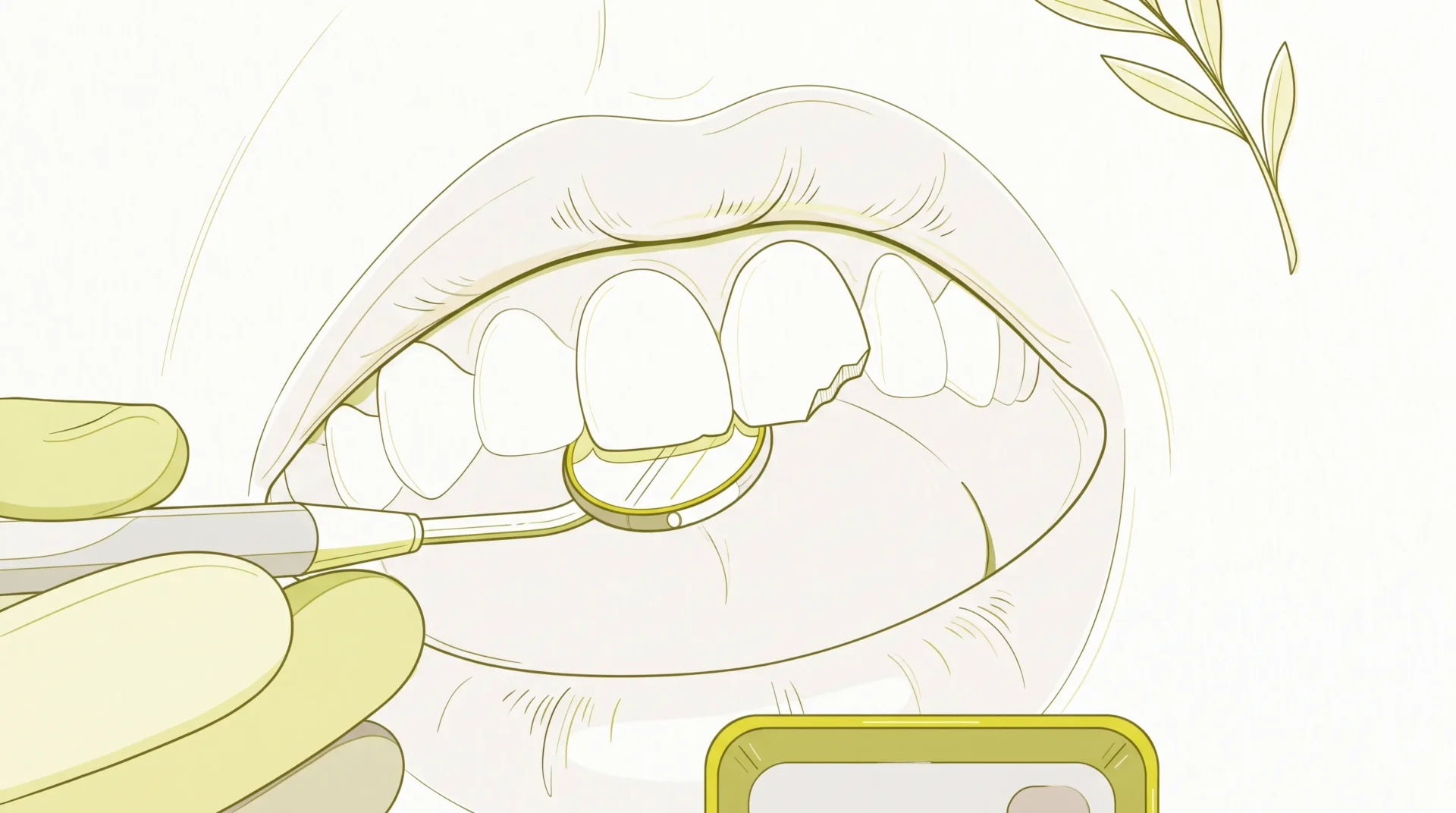
Many patients searching dentist toorak for urgent care have chipped or cracked a tooth while eating, playing sport or after an accident. A small chip with no pain may be less urgent than a fracture causing pain, looseness, bleeding or exposed inner tooth structure.
Until you are seen, avoid chewing on the affected side and keep any broken fragment if you have it. The related Toorak Village Dental Care guide on whether a chipped tooth can wait for a dental appointment covers warning signs that make prompt care more important.
Knocked-out or loosened adult tooth
A knocked-out adult tooth needs immediate advice. Do not scrub the tooth. If possible, hold it by the crown, which is the part normally visible in the mouth, and avoid touching the root. A dentist or emergency service can guide you on first aid based on the situation.
Baby teeth are managed differently from adult teeth, so do not try to place a knocked-out baby tooth back into the socket unless a dental professional specifically advises you to do so.
What to do while waiting for an urgent dental appointment
Even when you have found a dentist toorak for urgent care, the hours before your appointment can feel uncomfortable. Simple steps may reduce irritation and help avoid making the problem worse, but they should not replace professional assessment.
You may consider the following general measures, if suitable for your health circumstances:
- Rinse gently with warm salty water if the gum feels irritated.
- Use a cold compress on the outside of the face for swelling after an injury.
- Take over-the-counter pain relief only as directed on the packet, and check with a pharmacist or doctor if you are unsure.
- Avoid placing aspirin or other tablets directly on the gum or tooth.
- Avoid very hot, very cold or hard foods if they trigger pain.
- Keep a broken tooth fragment, crown or filling in a clean container and bring it to the appointment.
If you have a medical condition, are pregnant, take blood thinning medication or have allergies, tell the dental team when you call. This information can affect what advice is appropriate.
What to expect at an urgent dental appointment in Toorak
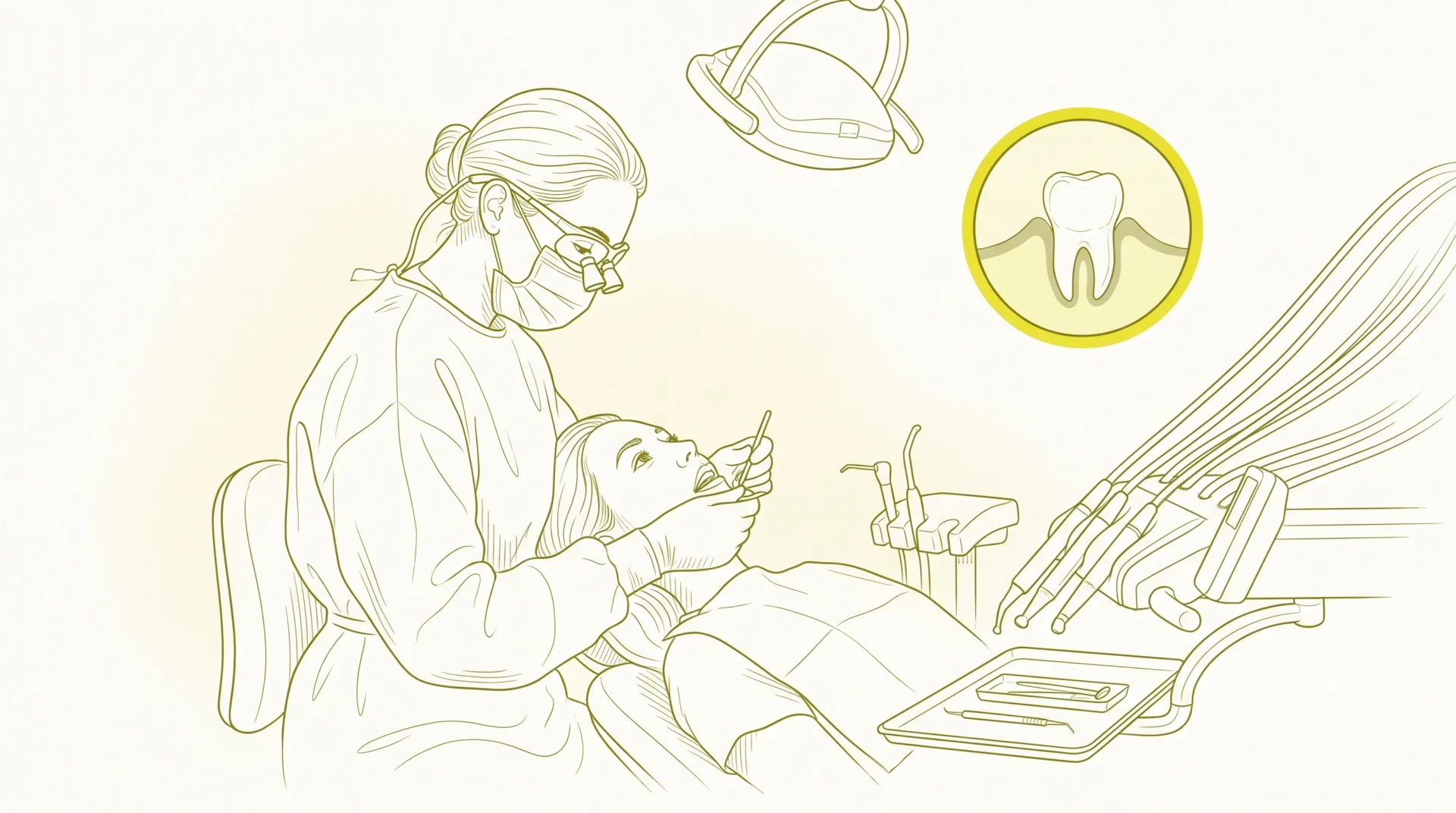
When people search dentist toorak for urgent care, they may expect treatment immediately, but the appointment usually starts with assessment. The dentist will ask what happened, how long symptoms have been present, what makes them better or worse, and whether you have relevant medical conditions or medications.
The clinical examination may include checking the teeth, gums, bite, jaw movement and soft tissues. Dental X-rays may be recommended when the dentist needs more information about the roots, bone levels, decay, infection or fracture lines that cannot be seen directly.
After assessment, your dentist can explain what they think is causing the issue and discuss suitable options. In urgent situations, care may focus on stabilising the problem first. For example, a temporary filling may be placed, a sharp edge may be smoothed, medication may be discussed or a more involved treatment may be planned for another visit.
All dental procedures carry potential risks and benefits. Treatment outcomes and experiences vary between patients, so the decision should be based on your oral health, symptoms, preferences and clinical findings.
Costs, timing and practical considerations
Urgent dental costs vary because the required care can range from a limited examination and X-ray to more involved treatment. A clinic should be able to explain likely fees before treatment starts, although the full cost may depend on what is found during the examination.
When comparing dentist toorak options for an urgent concern, practical details matter. Consider whether the clinic can assess your type of issue, how soon an appointment is available, whether payment options are offered and whether the team explains choices clearly. If you use extras cover, the Toorak Village Dental Care guide to using private health insurance for dental care may help you understand limits, waiting periods and claiming.
If a procedure is recommended, ask what the appointment is intended to achieve. Is it temporary relief, definitive treatment or the first stage of a longer plan? Clear expectations can make urgent care less stressful and help you make an informed decision.
Preparing before a dental problem becomes urgent
Some dental emergencies cannot be predicted, but preparation can make them easier to manage. Keep your dentist’s contact details accessible, know your relevant medical information and list any medications you take. If you play contact sport, ask a dentist whether a custom mouthguard may be suitable.
Urgent care is also easier when practical household details are already organised, especially if you need to leave work or home at short notice. For broader home or business preparedness, services focused on security planning for properties are a reminder that prevention and planning can reduce stress when unexpected situations arise.
Routine dental examinations may also detect early signs of decay, gum disease or cracks before symptoms become severe. This does not prevent every urgent dental issue, but it can support earlier discussion of risks and options.
Frequently asked questions
Is tooth pain always a dental emergency? Not always. Mild sensitivity that settles may be suitable for a routine appointment, but severe, persistent or worsening pain should be assessed promptly. Pain with swelling, fever or difficulty swallowing needs urgent advice.
Should I see a dentist or go to hospital for facial swelling? Contact a dentist promptly for localised gum or tooth-related swelling. Go to hospital or call 000 if swelling spreads quickly, affects breathing or swallowing, follows major trauma or is associated with feeling very unwell.
Can I wait if I have a chipped tooth but no pain? Sometimes a small chip can wait for a standard appointment, but a chipped tooth should be assessed sooner if there is pain, bleeding, looseness, a sharp edge cutting the mouth or a large fracture.
What should I bring to an urgent dental appointment? Bring details of your symptoms, medication list, allergies, private health insurance information if relevant, and any tooth fragment, crown, filling or appliance involved in the problem.
Can urgent dental treatment be completed in one visit? Sometimes, but not always. The first visit may focus on diagnosis and stabilising the problem. More complex treatment may require further appointments, referral or time to consider options.
Arranging urgent dental care in Toorak
A dental examination can help determine the cause of tooth pain, swelling, a broken tooth or another urgent concern. If you are in Toorak, South Yarra, Armadale, Prahran, Malvern, Hawthorn or nearby Melbourne suburbs, Toorak Village Dental Care can assess your concern and explain options that may be appropriate for your circumstances.
If your symptoms are severe or changing quickly, call for advice rather than waiting. If breathing, swallowing, major trauma or uncontrolled bleeding is involved, seek emergency medical care immediately.
Disclaimer
The information provided on this website is for general informational and educational purposes only. It is not intended to replace professional dental advice, diagnosis or treatment. Dental needs and treatment outcomes vary between individuals. Always seek advice from a qualified dental practitioner regarding your specific circumstances before making decisions about your oral health or treatment. A consultation and clinical assessment are required to determine which treatment options may be suitable for you. All dental procedures carry potential risks and benefits, which will be discussed with you before treatment.