

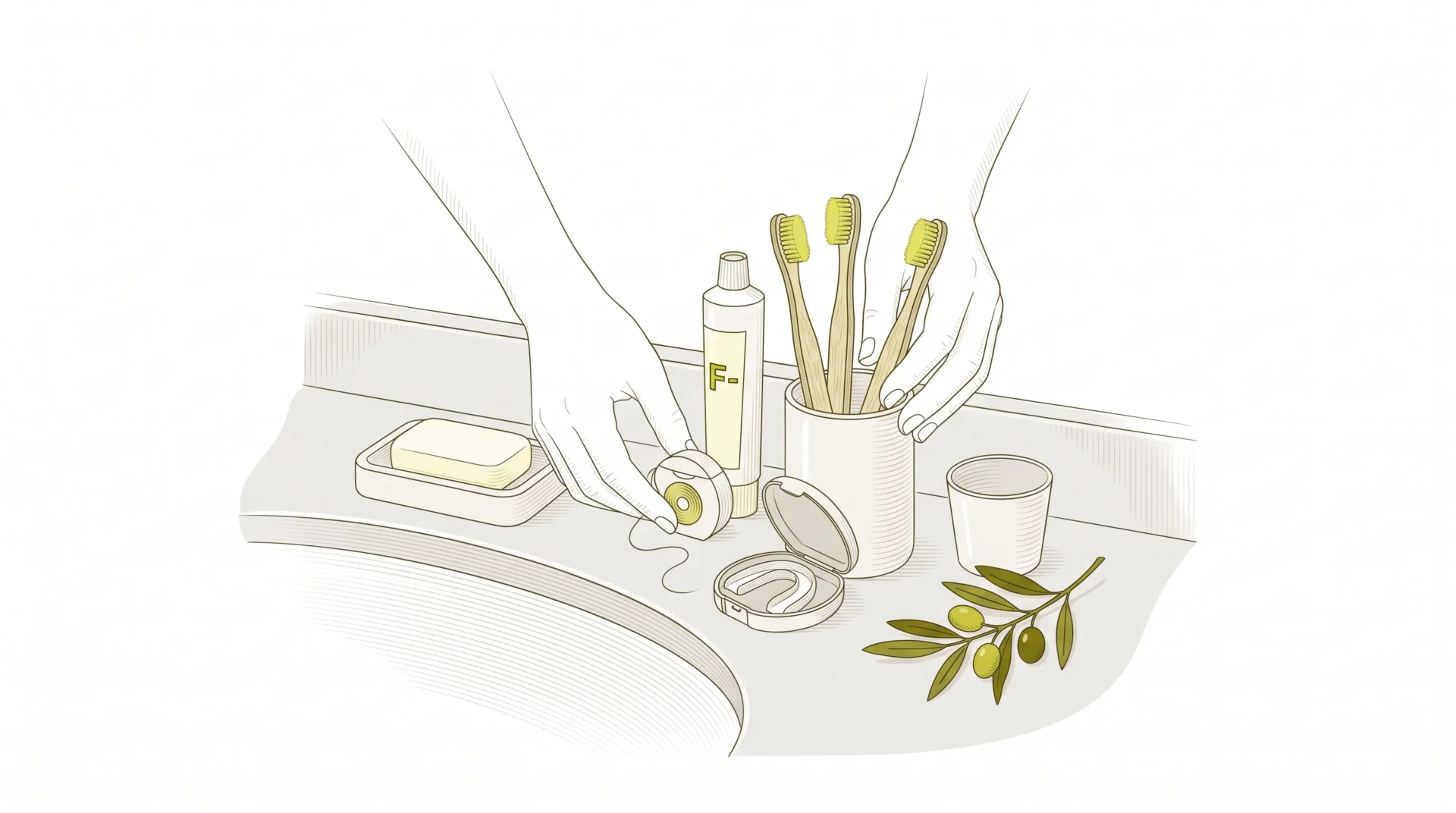
Family dental health can feel harder to manage once school is back in full swing. Between lunchboxes, sport, homework, work schedules and family commitments, dental routines can slip without anyone meaning for that to happen. The good news is that a few realistic habits can make oral care easier to maintain during busy terms, without turning mornings and evenings into another battle.
This article offers general information for families in Toorak and nearby Melbourne suburbs. It does not replace advice from your own dentist, who can assess your teeth, gums, medical history and individual risk factors before recommending care.
Family dental health during school terms: what to prioritise
During term time, the aim is not to create a complicated routine. It is to protect the basics: brushing twice a day with fluoride toothpaste, cleaning between teeth where age appropriate, keeping sugary snacks and drinks to reasonable limits and booking dental reviews at intervals that suit each family member.
A realistic family dental health plan usually works best when it fits into things you already do. That might mean brushing before the school bag is packed, keeping floss or interdental brushes near the bathroom sink or adding dental appointments to the same calendar as parent-teacher interviews and sports training.
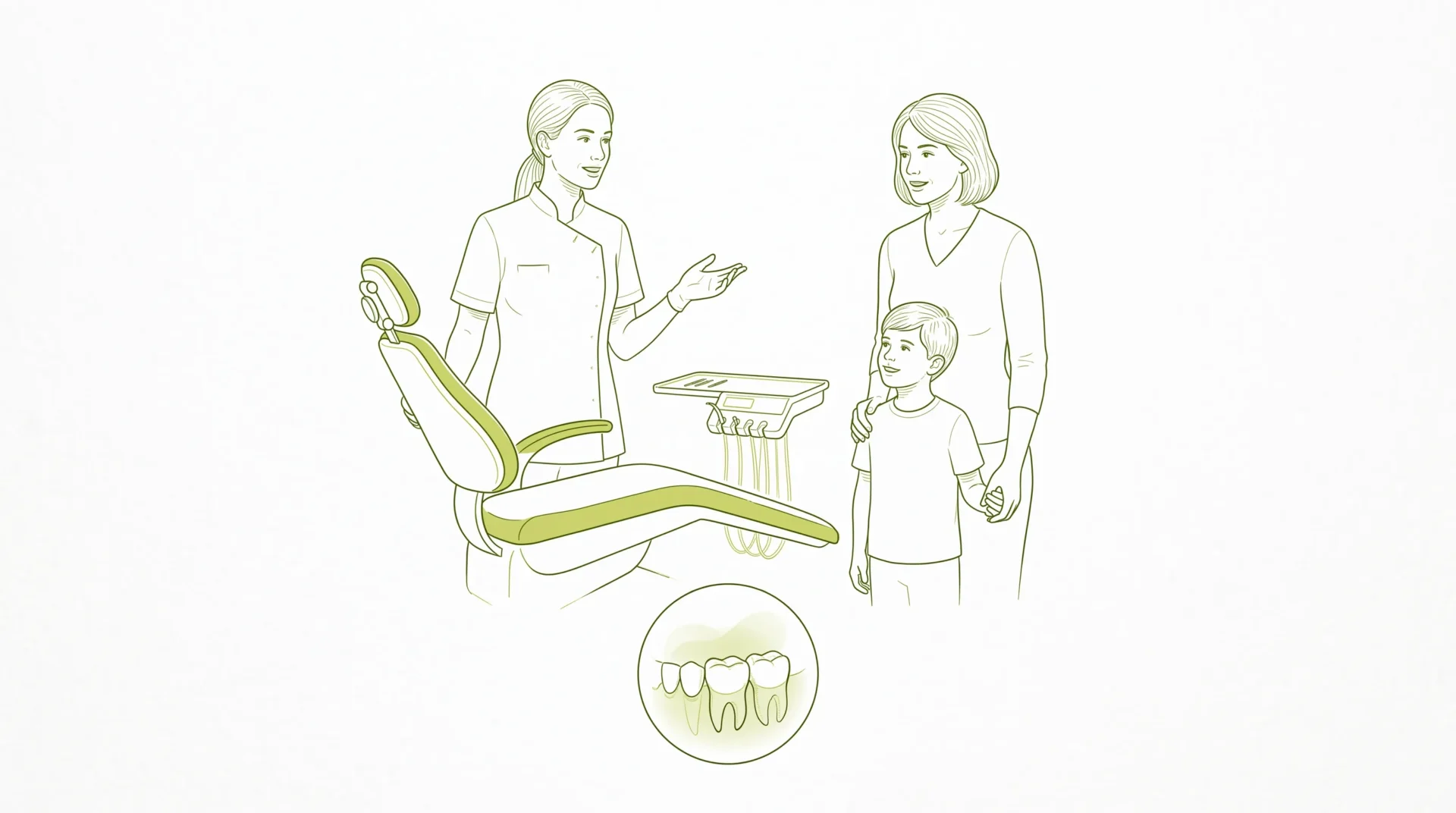
Different ages need different support. Younger children usually need supervision with brushing, school-aged children may need reminders and teenagers often benefit from practical, non-judgemental conversations about sport, snacking, vaping, orthodontic appliances or wisdom teeth. For a broader age-based overview, Toorak Village Dental Care has also written a practical guide to family dental care at every age.
Make brushing and cleaning between teeth fit the school week
For most households, family dental health improves when the routine is simple enough to repeat on tired days. Brushing does not need to be dramatic or highly supervised for older children, but it does need to be consistent and done properly.
Morning: keep it short and predictable
The morning routine should be easy to follow even when someone is searching for a missing shoe. Place toothbrushes, toothpaste and cups where children can reach them safely. If a child tends to rush, a timer or short song can help them understand how long brushing should take.
Parents can also check whether toothpaste is actually being used, whether toothbrush heads are worn and whether the child is brushing the gumline rather than only the biting surfaces of the back teeth.
Evening: make it the non-negotiable clean
Evening brushing is often the most important routine to protect, because food and plaque have built up throughout the day. If your child is old enough and has teeth that touch together, your dentist may recommend flossing or another way to clean between teeth. Some children can do this independently, while others need help until their coordination improves.
A practical weekly rhythm may look like this:
| School week moment | Simple dental habit | Why it helps |
|---|---|---|
| Before school | Brush with fluoride toothpaste | Helps remove plaque before the day starts |
| After afternoon snack | Drink water | Helps rinse food particles and supports saliva flow |
| Before bed | Brush carefully and clean between teeth if advised | Reduces plaque sitting on teeth overnight |
| Sunday evening | Check toothbrushes, mouthguards and dental appointments | Reduces last-minute stress during the week |
If you are trying to build a routine from scratch, start with one habit and make it consistent before adding another. The clinic’s article on everyday habits that support better dental care covers the basics in more detail.
Lunchboxes, snacks and drinks without making food stressful
A practical family dental health approach should support everyday eating, not make parents feel guilty about every treat. The main issue for teeth is often frequency. When teeth are exposed to sugar or acidic drinks many times across the day, the mouth has less time to recover between exposures.
The Australian Dental Association’s public website, Teeth.org.au, provides patient information on topics such as toothbrushing, sugar, children’s teeth and preventive care. For school terms, the most useful lunchbox approach is usually a balanced one: include filling foods, keep water as the main drink and try to avoid constant grazing on sweet or sticky snacks.
Some helpful options include cheese, yoghurt with no added sugar where suitable, whole fruit, vegetables, boiled eggs, wholegrain sandwiches and plain water. Dried fruit, muesli bars, juice and sports drinks can be convenient, but they may cling to teeth or expose teeth to sugar and acid. They do not need to be banned, but it can help to keep them occasional rather than all-day snacks.
If your child has allergies, medical needs, sensory preferences or a school food policy to follow, speak with your GP, dietitian or dentist for advice that suits your situation.
Use the family calendar to avoid rushed dental decisions
Good family dental health planning also means choosing appointment times before problems become harder to manage. Many families wait for school holidays, which can be convenient, but term-time appointments may sometimes be easier to fit around work, sport or exams if booked early.
For adults, check-up timing varies depending on oral health, gum health, decay risk, medical history, pregnancy, medications and past dental treatment. Six to 12 months is a common starting point for many adults, but some people need more frequent reviews and others may be advised differently. The article on how often adults should have a dental check-up explains this in more detail.
Sport, instruments and teen habits can affect teeth too
For older children and teenagers, family dental health often depends on what happens outside the bathroom. Contact sport, musical instruments, orthodontic appliances, energy drinks, late-night snacking and busy study schedules can all affect teeth and gums.
If your child plays contact sport, ask your dentist whether a mouthguard may be appropriate. A well-fitting mouthguard may help reduce the risk of certain dental injuries during sport, although no mouthguard can prevent every injury. Children with braces or other orthodontic appliances may need specific advice.
Teenagers may also need privacy and autonomy. Rather than checking their brushing like you would for a younger child, you might keep spare toothbrushes, floss and fluoride toothpaste available, encourage water after sport and ask whether they have noticed bleeding gums, sensitivity, ulcers or jaw discomfort.
If a teen is using whitening products, buying dental products online or considering cosmetic treatment, a dental assessment can help explain the possible benefits, risks and limits. Some products may not be suitable for every mouth, especially where there is untreated decay, gum inflammation or sensitivity.
Know which symptoms should not wait until holidays
Part of family dental health is knowing when a symptom should be assessed promptly rather than being left until the end of term. Not every concern is an emergency, but some signs need timely dental or medical advice.
Contact a dentist for guidance if someone in the family has:
- Toothache that persists, wakes them at night or affects eating
- Facial swelling, swelling in the gums or a pimple-like spot near a tooth
- A broken tooth, lost filling or sharp edge causing irritation
- Bleeding gums that continue despite gentle brushing
- A knocked, loosened or displaced tooth after an injury
- Pain when biting, ongoing sensitivity or signs of infection
If there is significant facial swelling, fever, difficulty breathing, difficulty swallowing or a serious injury, seek urgent medical or dental care. If a permanent tooth is knocked out, prompt professional advice is important. Avoid scrubbing the root of the tooth and follow instructions from a dental professional or emergency service.
Make costs and benefits part of the plan
Family dental health can also be affected by cost, health fund rules and uncertainty about what may be covered. It is reasonable to ask about fees, item numbers, payment options and whether treatment can be staged where clinically appropriate.
Some Australian children may be eligible for the Child Dental Benefits Schedule, a Medicare program that helps cover certain basic dental services for eligible children up to a capped limit. Eligibility and limits can change, so Services Australia is the appropriate source for current details. Toorak Village Dental Care can support families with children’s dental benefits where applicable.
Private health insurance can also vary widely. Extras cover, annual limits, waiting periods and preferred provider arrangements may affect out-of-pocket costs. If you want to understand the basics before booking, this guide to using private health insurance for dental care may be useful.
All dental procedures have potential benefits, limitations and risks. Before starting treatment, your dentist should explain the reason for the recommendation, suitable alternatives and what may happen if treatment is delayed or not undertaken.
A simple school term reset for the whole household
A once-a-term family dental health reset can be enough to keep everyone on track. Choose a quiet time, such as the Sunday before term starts or the first weekend after school resumes, and spend 15 minutes checking the basics.
Replace toothbrushes that are worn, check that toothpaste contains fluoride, clean or locate sports mouthguards and add any due dental appointments to the calendar. If a child is nervous about visiting the dentist, talk about the appointment in calm, simple language and avoid using dental treatment as a threat or consequence.
Families in Toorak, South Yarra, Armadale, Prahran, Malvern, Hawthorn and nearby areas often juggle full schedules. Small systems, repeated consistently, are usually more useful than ambitious routines that only last a week.
Frequently asked questions
How can busy parents keep family dental health on track during school terms? Focus on a small number of repeatable habits: brushing morning and night, water as the main drink, sensible snack timing, mouthguards for suitable sports and dental reviews based on individual risk. A shared family calendar can also reduce last-minute appointment stress.
How often should children see a dentist? The right interval depends on the child’s teeth, gums, decay risk, medical history, brushing ability and any symptoms. Your dentist can recommend a review schedule after examining your child.
Is bleeding when brushing normal for children or adults? Occasional bleeding can happen if the gums are irritated, but bleeding that continues should be assessed. It may be related to plaque build-up, brushing technique, gum inflammation or another factor that needs individual advice.
Should my child use a mouthguard for school sport? A mouthguard may be recommended for contact sports or activities with a risk of dental injury. Your dentist can discuss the options and whether a custom or other type of mouthguard is suitable.
What should I do if a toothache starts during term? Arrange a dental assessment rather than waiting for holidays, especially if pain persists, affects eating or sleep, or is linked with swelling, fever or injury. The cause needs to be diagnosed before treatment options can be explained.
Discuss your family’s dental needs in Toorak
If you are trying to make dental care easier to manage during the school term, a dental examination can help identify priorities for each family member. Toorak Village Dental Care can assess oral health, explain possible options and discuss timing, costs and suitability based on individual needs. You can contact the clinic to arrange an appointment in Toorak.
Disclaimer
The information provided on this website is for general informational and educational purposes only. It is not intended to replace professional dental advice, diagnosis or treatment. Dental needs and treatment outcomes vary between individuals. Always seek advice from a qualified dental practitioner regarding your specific circumstances before making decisions about your oral health or treatment. A consultation and clinical assessment are required to determine which treatment options may be suitable for you. All dental procedures carry potential risks and benefits, which will be discussed with you before treatment.