

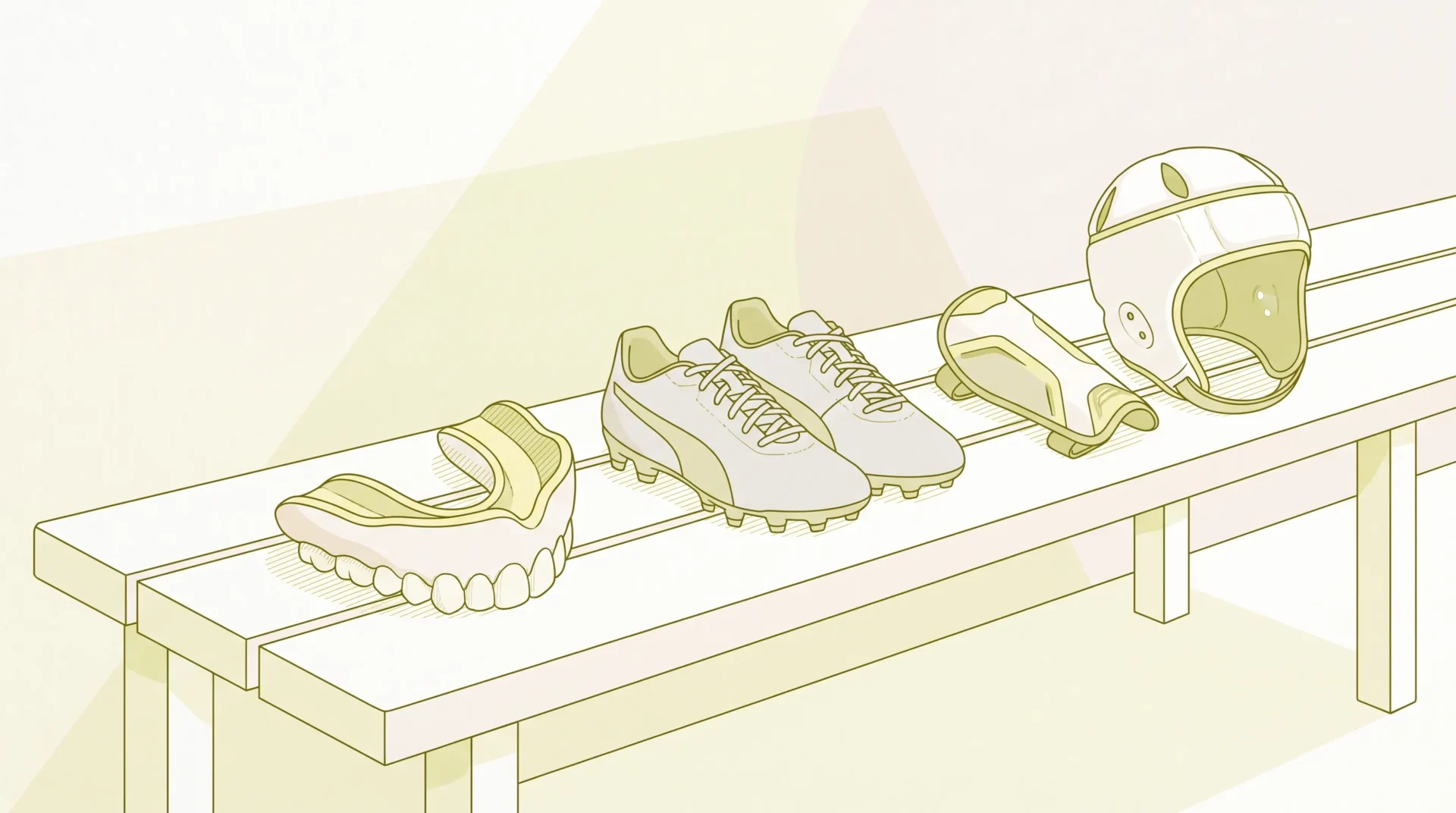
If you play AFL, rugby, basketball, netball, hockey, martial arts or another contact sport, a mouthguard is one of the simplest ways to help reduce the risk of dental injury. If you have searched for dental solutions near me in Toorak or nearby Melbourne suburbs, you may be weighing up a pharmacy mouthguard against one made by a dentist.
The practical answer is to choose a mouthguard that fits securely, feels comfortable enough to wear consistently, covers the teeth that need protection and suits your sport, age and dental history. A clinical assessment can help clarify which option may be appropriate for you or your child.
Looking for dental solutions near me for a sports mouthguard?
People usually search for dental solutions near me because they want a local, practical answer rather than a general product description. For a sports mouthguard, the main question is not simply which type looks thickest. It is whether the mouthguard will stay in place during play, allow normal breathing, protect the teeth and gums reasonably well and be worn regularly.
The Australian Dental Association patient website Teeth.org.au advises wearing a mouthguard during contact sports and training where there is a risk of knocks to the mouth. This includes obvious contact sports such as football, rugby and martial arts, but dental injuries can also occur in sports involving balls, sticks, elbows, falls or accidental collisions.
A mouthguard does not remove all risk. Teeth, jaws and soft tissues can still be injured, especially in higher impact situations. It also does not replace helmets, face shields or sport-specific safety rules. Its role is to help absorb and spread some of the force that may otherwise be directed at the teeth, lips, cheeks and jaw.
For families around Toorak Village, South Yarra, Armadale, Prahran, Malvern and Hawthorn, a local dental appointment can be useful if a player has braces, adult teeth still coming through, previous dental trauma, crowns, implants, missing teeth or a mouthguard that feels loose or uncomfortable.
The main types of sports mouthguards
Most mouthguards fall into three broad categories: ready-made, boil-and-bite and custom-fitted. Each has different benefits and limitations.
| Mouthguard type | How it is made | Possible advantages | Limitations to consider |
|---|---|---|---|
| Ready-made mouthguard | Bought pre-formed from a shop | Usually easy to find and low cost | Fit can be bulky or loose, and the player may need to bite down to keep it in place |
| Boil-and-bite mouthguard | Softened in hot water, then moulded at home | Can fit better than a stock mouthguard when moulded carefully | Fit and thickness vary, and biting too hard during moulding can thin the material |
| Custom-fitted mouthguard | Made from a dental impression or scan | Designed around the person’s teeth, bite and mouth shape | Costs more than shop-bought options and requires a dental appointment |
A ready-made mouthguard may feel convenient, but a poor fit can make it harder to speak and breathe comfortably. Some players stop wearing them for that reason. A boil-and-bite mouthguard may be a middle option, although the result depends on how well it is moulded and whether the final thickness is suitable.
A custom-fitted mouthguard is made for an individual mouth. Your dentist can assess whether this option may be suitable based on the player’s age, sport, dental development and oral health. Like all dental appliances, it still needs care, review and replacement when it no longer fits properly.
What a good mouthguard should feel like
A mouthguard is only useful if it can be worn during training and competition. Comfort matters because a mouthguard left in a sports bag is not providing any protection.
A well-fitting mouthguard should generally:
- Stay in place without needing constant biting pressure
- Cover the teeth and gum areas that need protection
- Feel secure without rubbing, pinching or causing sharp pressure
- Allow the player to breathe and speak reasonably well
- Avoid triggering gagging once the player has adjusted to it
- Show no cracks, tears, holes or areas that have become thin
Some initial awareness is normal when wearing any mouthguard, especially for children or first-time users. Persistent rubbing, looseness, gagging or difficulty closing the mouth should be assessed rather than ignored.
Choosing protective gear is rarely about the label alone. Fit, material and maintenance matter. You see the same idea in non-dental protection, where a vehicle owner might compare coverage and durability before choosing ceramic coating car paint protection. With a mouthguard, the fit matters even more because the appliance sits against teeth, gums and soft tissues during sport.
Match the mouthguard to the player, not just the sport
A mouthguard for a growing child may need different planning from one for an adult playing social hockey. The right choice depends on several factors.
Sport type and contact risk are a starting point. Collision sports such as AFL, rugby and martial arts often involve higher direct impact risk. Sports such as basketball, netball, hockey and cricket can still involve accidental contact, falls or ball impact.
Age and dental development also matter. Children and teenagers may have baby teeth, newly erupted adult teeth or orthodontic treatment. Their mouth shape can change quickly, so a mouthguard that fitted last season may not fit this season. For broader oral health planning at different ages, Toorak families may find this practical guide to family dental care useful.
Orthodontic appliances need special care. If a player has braces, clear aligners, retainers or other appliances, they should ask their dentist or orthodontist before choosing a mouthguard. A mouthguard that is too tight may interfere with tooth movement or press on brackets and wires.
Existing dental work can also affect the design. Fillings, crowns, bridges, dental implants, missing teeth and previous injuries may change where support and coverage are needed. This does not mean every person with dental work needs a complex mouthguard, but it is a reason to seek individual advice.
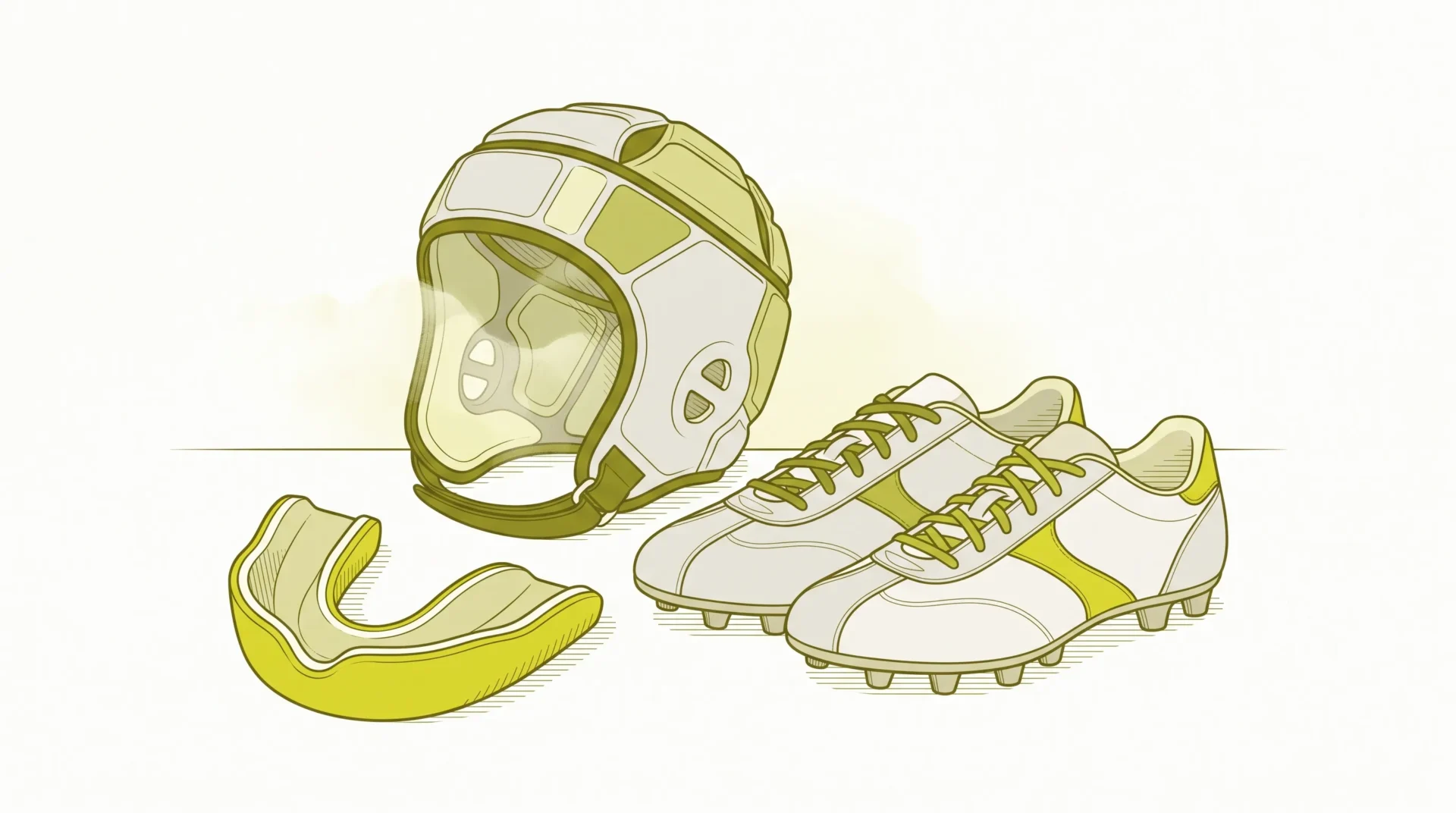
What a dentist-made mouthguard appointment may involve
A dentist-made mouthguard usually starts with an assessment rather than going straight to fabrication. This allows the dentist to check for issues that could affect fit, comfort or suitability.
The process may include:
- Assessment: The dentist checks the teeth, gums, bite, jaw movement and any existing dental work or orthodontic appliances.
- Discussion: You can explain the sport, training frequency, previous injuries and any problems with past mouthguards.
- Impression or scan: A record of the mouth is taken so the mouthguard can be made to fit the individual shape of the teeth and gums.
- Fabrication: The mouthguard is made from suitable dental material, usually outside the appointment itself.
- Fitting check: The dentist checks comfort, retention and coverage, and can discuss how to wear and care for it.
Treatment experiences vary. Some people adjust quickly to a mouthguard, while others need more time or minor adjustments. If the mouthguard rubs, feels loose or makes it difficult to close the mouth, arrange a review rather than trimming it at home.
How to care for a sports mouthguard
Good care helps keep a mouthguard hygienic and functional. It also helps you notice when replacement may be needed.
Simple care habits include:
- Rinse the mouthguard in cool water after each use
- Clean it gently with a toothbrush and mild soap if advised by your dentist
- Let it dry before storing it in a ventilated case
- Keep it away from heat, including hot cars and direct sun
- Do not share it with anyone else
- Bring it to dental check-ups so the fit and wear can be reviewed
Replace a mouthguard if it becomes cracked, thin, distorted, loose or uncomfortable. Children and teenagers may need replacement more often because their teeth and jaws are still developing. Orthodontic treatment can also change fit over time.
Cost, private health insurance and payment questions
The cost of a mouthguard can vary depending on the type, material, complexity, whether impressions or scans are needed and whether adjustments are required. A dental clinic should be able to provide an estimate before treatment begins.
Private health insurance may contribute to some dental mouthguard costs if you have suitable extras cover, but this depends on your policy, annual limits, waiting periods and item numbers. If you are unsure how extras cover works, this guide to using private health insurance for dental care explains common terms and questions for Australian patients.
If cost is a concern, ask what options are available before proceeding. Some clinics offer payment arrangements, but suitability, terms and availability should be confirmed directly with the clinic.
When a mouthguard is not enough
A mouthguard is a preventive measure, not a substitute for dental care after an injury. Seek prompt assessment if a tooth is knocked, chipped, loosened, displaced or knocked out. You should also seek urgent medical help for facial swelling, uncontrolled bleeding, suspected jaw fracture, loss of consciousness, vomiting after a head impact, breathing difficulty or severe pain.
Healthdirect provides general first-aid information for dental injuries, including what to do if a tooth is knocked out. For adult teeth, prompt dental care can make a difference to what treatment options may be available. Baby teeth should not be pushed back into the socket unless a dentist specifically advises this, as it may affect the developing adult tooth underneath.
If you are unsure whether to see a dentist, GP or emergency department after a sports injury, consider the type of injury and symptoms. Dental trauma usually needs a dental assessment, while serious head, neck, facial or breathing symptoms need urgent medical care.
Questions to ask before choosing a mouthguard
Before buying or booking, it can help to ask practical questions rather than focusing only on price or thickness.
Useful questions include:
- Is this mouthguard suitable for the specific sport and level of contact?
- Will it stay in place without needing to bite down constantly?
- Does the player have braces, aligners or developing adult teeth?
- Are there crowns, implants, fillings or previous injuries to consider?
- Can the fit be checked and adjusted if it rubs or feels loose?
- How should it be cleaned, stored and reviewed?
- What costs are involved, and can a health fund quote be checked first?
If you are comparing local clinics, look for clear communication, transparent fee discussions and a willingness to explain options without pressure. The aim is to choose care that suits the person’s oral health, sport and circumstances.
Frequently Asked Questions
Is a custom-fitted mouthguard always necessary for contact sport? Not always. The most suitable option depends on the player’s age, sport, dental health, orthodontic treatment and budget. A dentist can assess whether a custom-fitted mouthguard may be appropriate.
Can my child use a boil-and-bite mouthguard? Some children use boil-and-bite mouthguards, but fit can be variable. If your child is playing regular contact sport, has adult teeth coming through or wears braces, a dental assessment may help you choose a safer and more comfortable option.
Do mouthguards prevent concussion? Mouthguards are primarily used to help protect teeth, gums, lips, cheeks and jaws from dental injury. They should not be relied on as concussion protection. Follow your sport’s concussion policies and use other protective equipment where required.
How often should a sports mouthguard be replaced? Replace it when it is loose, damaged, worn, distorted or no longer comfortable. Growing children, teenagers and people having orthodontic treatment may need more frequent review because the mouth changes over time.
Can I wear a mouthguard with braces or clear aligners? You should ask your dentist or orthodontist before choosing a mouthguard. The design may need to account for brackets, wires, tooth movement or aligner wear so it does not apply unwanted pressure.
Discussing mouthguard options in Toorak
If you or your child plays contact sport, a dental examination can help determine which mouthguard option may be appropriate. The team at Toorak Village Dental Care can assess your oral health, discuss your sport and explain possible benefits, limitations and costs before you decide how to proceed.
Disclaimer
The information provided on this website is for general informational and educational purposes only. It is not intended to replace professional dental advice, diagnosis or treatment. Dental needs and treatment outcomes vary between individuals. Always seek advice from a qualified dental practitioner regarding your specific circumstances before making decisions about your oral health or treatment. A consultation and clinical assessment are required to determine which treatment options may be suitable for you. All dental procedures carry potential risks and benefits, which will be discussed with you before treatment.