


Bleeding gums when brushing are common, but they are not something to ignore if they keep happening. If you have searched for dental care near you because you have noticed blood on your toothbrush or in the sink, the main thing to know is this: gums that bleed regularly usually need a dental check.
A small amount of bleeding once after brushing too firmly may settle. Bleeding that happens often, comes with swelling or tenderness, or appears when you clean between your teeth can be a sign of gum inflammation, build-up around the gumline or another oral health concern. A dentist can assess the cause and explain what options may be appropriate for your situation.
Why bleeding gums are worth checking
Healthy gums generally should not bleed during normal brushing or flossing. Bleeding is often a sign that the gum tissue is irritated or inflamed. The most common dental reason is plaque, a sticky film of bacteria that collects around the teeth and gumline. If plaque is not removed well, it can harden into tartar, which cannot be brushed away at home.
The Australian Dental Association patient resource Teeth.org.au explains gum disease as a condition that can begin with gingivitis, which is inflammation of the gums. Gingivitis may be reversible with appropriate dental care and improved daily cleaning. If inflammation progresses to periodontitis, the deeper tissues that support the teeth may be affected.
Bleeding gums do not always mean advanced gum disease. They can also be related to brushing technique, a new flossing habit, pregnancy, dry mouth, some medicines or general health conditions. Because the causes vary, a dental examination is the safest way to understand what is happening rather than trying to guess.
Common reasons gums bleed when brushing
Bleeding gums can have more than one contributing factor. For some people, the issue is localised around one tooth. For others, the gums may bleed in several areas. Your dentist will look at the pattern, your oral hygiene routine, your medical history and any symptoms you have noticed.
Plaque and tartar near the gumline are common contributors. Plaque can irritate the gums, especially in areas that are harder to clean, such as between back teeth, around crowded teeth or near older fillings and crowns. Tartar tends to trap more plaque, which can keep the gums inflamed until it is professionally removed.
Brushing too hard can also cause bleeding or make tender gums feel worse. A firm toothbrush, heavy pressure or scrubbing sideways across the gumline can irritate the soft tissue. Many people are trying to clean thoroughly, but a softer brush and gentler technique are usually kinder to the gums.
It is also common to notice bleeding when you first start flossing or using interdental brushes. If the gums have been inflamed for a while, cleaning between the teeth may reveal bleeding that was already likely to happen. If bleeding reduces as your technique improves, that can be a positive sign, but bleeding that continues should be assessed.
Other possible contributors include hormonal changes during pregnancy, smoking or vaping, dry mouth, poorly fitting dentures or appliances, mouth ulcers, vitamin deficiencies, diabetes and medicines that affect bleeding. Do not stop or change prescribed medicine because of bleeding gums unless your GP or prescribing clinician advises you to do so.
When should you see a dentist for bleeding gums?
You should consider booking a dental appointment if your gums bleed more than once or twice, if bleeding continues for more than a few days despite gentle cleaning, or if you have other symptoms such as swelling, bad breath, gum recession or loose teeth. Prompt assessment is also sensible if you are pregnant, have diabetes, take blood-thinning medicine or have a medical condition that affects healing.
The table below can help you decide what level of care may be appropriate. It is general information only and does not replace a dental assessment.
| What you notice | What it may suggest | What to consider |
|---|---|---|
| A small amount of bleeding after brushing very firmly | Gum irritation from technique or toothbrush type | Switch to a soft toothbrush, use gentle pressure and monitor closely |
| Bleeding when starting flossing or interdental cleaning | Inflamed gums in areas that were not being cleaned well | Keep cleaning gently and book a check if it does not settle |
| Bleeding most days when brushing | Gum inflammation, plaque or tartar build-up | Arrange a dental examination and professional advice |
| Bleeding with swollen, red or tender gums | Gingivitis, gum infection or another local concern | Book a dental appointment for assessment |
| Bleeding with loose teeth, gum recession or changes in your bite | Possible periodontal involvement or other dental issues | See a dentist for a more detailed gum assessment |
| Heavy bleeding that will not stop, facial swelling, fever or difficulty swallowing | A more urgent health or dental concern | Seek prompt professional care. Call 000 if breathing or swallowing is affected |
If you are unsure whether your symptoms can wait, contacting a dental clinic for advice is reasonable. They may ask about how long the bleeding has been happening, whether there is pain or swelling and whether you have any medical conditions that could affect your care.
What a dentist may check during your appointment
A dental visit for bleeding gums is usually focused on finding the cause and checking whether the gums and supporting tissues are healthy. Your dentist may ask about your brushing routine, flossing habits, smoking or vaping, medicines, pregnancy status, medical conditions and any recent changes.
They may examine your teeth and gums, looking for plaque, tartar, swelling, recession, bleeding points, loose teeth or signs of infection. A periodontal chart may be used to measure the spaces between the teeth and gums. These measurements can help identify whether inflammation is limited to the gum edge or whether deeper support structures may be involved.
Dental X-rays may be recommended in some situations, such as when the dentist needs to assess bone levels, check for hidden tartar or look for other causes around a tooth. X-rays are not needed for every case. Your dentist should explain why they are being recommended and discuss any questions you have.
If plaque and tartar are contributing to the problem, a professional clean may be suggested. This can remove hardened deposits that brushing cannot. If gum disease is more advanced, further periodontal treatment or referral may be discussed. Your dentist should explain the potential benefits, limitations, risks and alternatives before treatment begins.
For people who feel anxious about dental visits, it may help to speak with the clinic before the appointment about communication preferences and comfort. Our article on what gentle dental care means for nervous patients explains how consent, pacing and clear explanations can support a calmer experience.
What you can do at home while waiting for your appointment
Do not stop brushing because your gums bleed. Plaque left on the gumline can keep the tissue irritated. Instead, aim for gentle, consistent cleaning until your dentist can assess the area.
Use a soft toothbrush with a small head and fluoride toothpaste. Angle the bristles slightly towards the gumline and use small circular movements rather than hard scrubbing. If you use an electric toothbrush, let the brush do the work and avoid pressing too firmly.
Clean between your teeth once a day with floss or interdental brushes if you can do so comfortably. Interdental brushes come in different sizes, so forcing one that is too large can irritate the gums. If you are unsure what to use, your dentist or oral health professional can show you an option that suits the spaces between your teeth.
Mouthwash may be useful in some situations, but it is not a substitute for brushing and cleaning between teeth. Some mouthwashes are intended for short-term use only, so follow the label and ask your dentist if you are unsure.
Simple daily habits can make a difference to gum health over time. These include drinking water, limiting frequent sugary snacks and drinks, avoiding tobacco where possible and attending dental checks at an interval that suits your risk level. For practical prevention tips, you may find our guide to everyday habits that support better dental care useful.
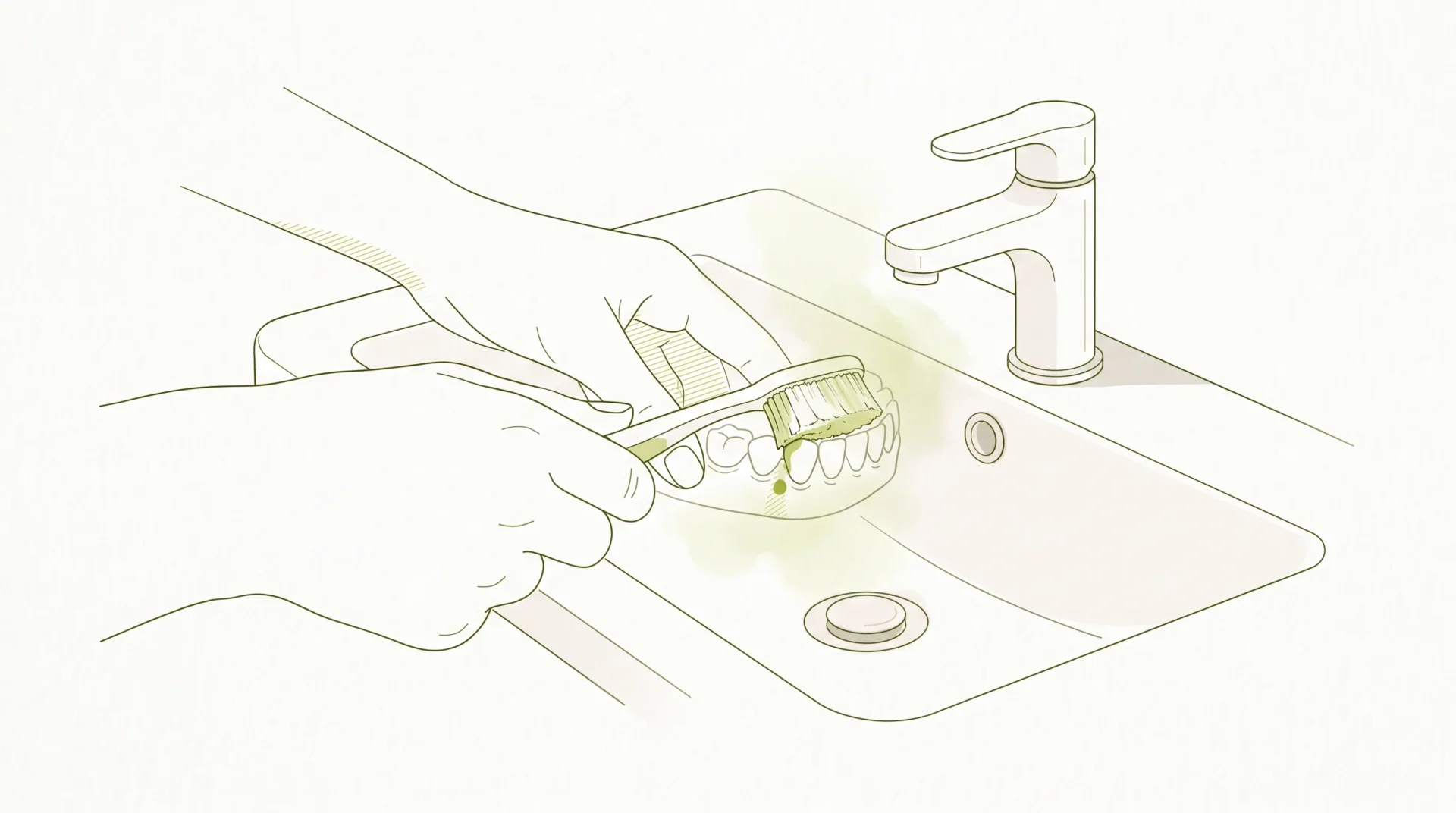
Possible treatment options, depending on the cause
Treatment for bleeding gums depends on the reason for the bleeding. A clinical assessment is needed before a dentist can recommend a suitable approach.
If the issue is early gum inflammation, your dentist may recommend a professional clean, oral hygiene guidance and a review appointment to check whether the gums are improving. The aim is to reduce plaque and tartar around the gumline and help you clean effectively at home.
If gum pockets are deeper or there are signs of periodontitis, more detailed gum treatment may be discussed. This may involve cleaning below the gumline, monitoring pocket measurements and reviewing how the gums respond. In some cases, referral to a periodontist, a dentist with specialist registration in gum conditions, may be appropriate.
If bleeding is linked to a sharp filling edge, an overhanging restoration, a poorly fitting denture or orthodontic appliance irritation, your dentist may discuss adjusting or replacing the source of irritation. Suitability depends on the condition of the tooth, the restoration and your overall oral health.
If a medicine or medical condition may be contributing, your dentist may suggest you speak with your GP or relevant medical practitioner. Dental and medical care often overlap, especially where bleeding, healing, diabetes, immune conditions or blood-thinning medicines are involved.
All dental procedures carry potential risks and benefits. These vary depending on the treatment, your health, the condition being treated and your individual circumstances. Your dentist can explain what is likely to be involved before you decide how to proceed.
How often should bleeding gums be reviewed?
There is no single check-up schedule that suits everyone. Someone with healthy gums and low risk may need a different recall interval from someone with a history of gum disease, dry mouth, smoking, diabetes or frequent tartar build-up.
If you have bleeding gums, your dentist may recommend a review after cleaning and home care changes to see whether the inflammation has settled. They may also suggest more frequent maintenance if you are at higher risk of gum problems. Our guide on how often adults should have a dental check-up explains why recall timing is usually based on individual risk rather than a fixed rule for everyone.
Bleeding gums during pregnancy
Gums may become more sensitive or prone to bleeding during pregnancy due to hormonal changes. This does not mean bleeding should be ignored. Plaque control and dental assessment remain important, and many routine dental checks can be carried out during pregnancy.
If you are pregnant and notice bleeding gums, swelling or tenderness, a dentist can assess your gums and explain suitable care options. Our article on dental care during pregnancy answers common questions about dental visits, gum changes and timing of care.
Planning care locally in Toorak
If you live or work around Toorak Village, South Yarra, Armadale, Prahran, Malvern or Hawthorn, it can be practical to choose a dental clinic that is close enough for an assessment, follow-up and ongoing preventive care if needed.
Before booking, it is reasonable to ask what the appointment may include, whether a clean can be done at the same visit, what costs may apply and whether payment options are available. Clear information is useful for any significant household decision, from reviewing personalized mortgage solutions to comparing health-related payment options. In dentistry, that means asking for an itemised estimate where possible and taking time to understand the options before agreeing to treatment.
Toorak Village Dental Care offers general dental care, emergency dental care and gum health assessment in Toorak. Payment plan options may be available, depending on the treatment and your circumstances. The most appropriate next step depends on what your dentist finds during the examination.
Frequently Asked Questions
Is bleeding when brushing ever normal? Occasional bleeding after brushing too firmly may happen, but gums that bleed regularly are not considered normal. Repeated bleeding should be assessed by a dentist so the cause can be identified.
Should I stop flossing if my gums bleed? In many cases, stopping interdental cleaning can allow more plaque to build up. Use a gentle technique and avoid forcing floss or brushes. If bleeding continues, book a dental assessment.
Can bleeding gums be caused by brushing too hard? Yes, heavy pressure, a firm toothbrush or scrubbing across the gumline can irritate the gums. A soft toothbrush and gentle circular motion are usually recommended.
Can gum disease be treated? Gingivitis may improve with professional cleaning and effective daily oral hygiene. More advanced gum disease may need further periodontal care and ongoing maintenance. Outcomes vary depending on the condition, risk factors and home care.
When is bleeding gum care urgent? Seek prompt advice if bleeding is heavy or will not stop, or if it is linked with facial swelling, fever, trauma, severe pain or difficulty swallowing. Call 000 if breathing or swallowing is affected.
A considered next step
If your gums bleed when brushing and the bleeding keeps returning, a dental examination can help determine the likely cause and which options may be appropriate. You can contact Toorak Village Dental Care to arrange an assessment in Toorak and discuss your concerns with the dental team.
Disclaimer
The information provided on this website is for general informational and educational purposes only. It is not intended to replace professional dental advice, diagnosis or treatment. Dental needs and treatment outcomes vary between individuals. Always seek advice from a qualified dental practitioner regarding your specific circumstances before making decisions about your oral health or treatment. A consultation and clinical assessment are required to determine which treatment options may be suitable for you. All dental procedures carry potential risks and benefits, which will be discussed with you before treatment.