

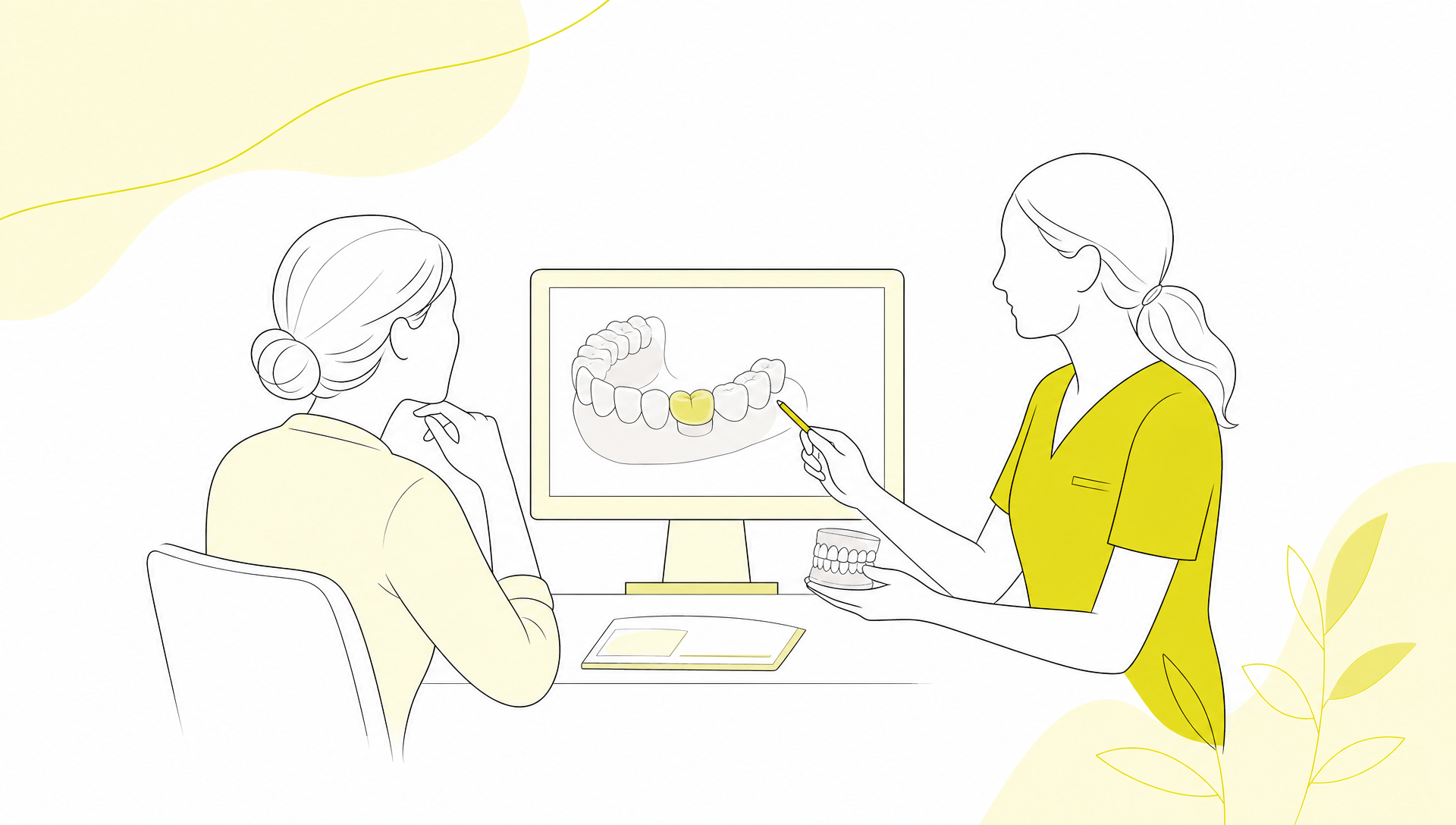
Good family dental care is not one routine repeated forever. A toddler learning to brush, a teenager playing contact sport, a parent juggling work and stress, and a grandparent managing dry mouth all need different support.
The aim is the same at every age: prevent problems early, keep visits positive, and make oral health part of normal family life. With the right habits, dental care becomes less about reacting to pain and more about protecting comfort, confidence and long-term health.
What family dental care should cover
A strong family dental care plan combines home habits, professional check-ups and timely treatment. It is not just about teeth. Your dentist also checks gums, bite development, jaw function, oral tissues, signs of tooth wear and habits that may affect future health.
For families, continuity matters. When the same dental team gets to know your household, they can notice small changes sooner, tailor advice to each person and help children feel comfortable in the chair before they ever need complex treatment.
At a practical level, family dental care usually includes:
- Preventive check-ups and cleans
- Toothbrushing and flossing guidance
- Fluoride advice based on age and risk
- Diet and snacking conversations
- Fissure sealants for children where suitable
- Mouthguards for sport
- Gum health monitoring for adults
- Restorative care such as fillings, crowns or root canal therapy when needed
- Cosmetic options for suitable adults
- Emergency dental support for pain, swelling or trauma
The best approach is age-specific. Here is how oral care changes through each stage of life.
Age-by-age dental care overview
| Life stage | Main dental priorities | Practical family habit |
|---|---|---|
| Pregnancy and babies | Parent gum health, first teeth, feeding habits | Book a dental check during pregnancy and arrange a first visit by around age one |
| Toddlers and preschoolers | Brushing routines, early decay prevention, positive visits | Brush together twice daily and keep appointments calm and familiar |
| School-age children | Adult teeth, sealants, flossing, sport protection | Supervise brushing and organise a custom mouthguard for contact sport |
| Teenagers | Orthodontic checks, wisdom teeth, diet, whitening safety | Talk openly about soft drinks, vaping, sport and cosmetic expectations |
| Adults | Gum disease prevention, restorations, aesthetics, stress-related wear | Maintain regular checks and address sensitivity or bleeding early |
| Older adults | Dry mouth, gum recession, dentures, implants, medication effects | Review oral health whenever medications or general health change |
Pregnancy and babies: start before the first tooth
Family dental care often begins before a baby is born. Pregnancy can increase the chance of gum inflammation due to hormonal changes, and nausea or reflux can expose teeth to acid. If you are pregnant, it is worth having a dental check-up, especially if you notice bleeding gums, swelling, sensitivity or persistent bad breath.
If morning sickness is an issue, avoid brushing immediately after vomiting. Rinse with water first, or ask your dentist for personalised advice. Brushing straight after acid exposure can be harsh on softened enamel.
For babies, the first dental visit is recommended when the first tooth appears or by around 12 months of age. The Australian Dental Association’s consumer site explains that baby teeth are important for eating, speech and guiding adult teeth into place. They are not “practice teeth”, so decay in baby teeth should be taken seriously.
Helpful habits for babies include wiping gums gently, avoiding bottles in bed, and not dipping dummies in sweet substances. Once teeth appear, use a soft baby toothbrush and follow Australian age-based toothpaste guidance from your dentist.
Toddlers and preschoolers: make brushing a routine, not a battle
Between ages two and five, children are building habits that can last for years. They may want independence, but they usually do not have the coordination to brush thoroughly on their own. A good rule is to let them “have a turn”, then an adult finishes the job.
Keep brushing short, calm and predictable. Many families find it easier when brushing happens at the same times every day, such as after breakfast and before bed. A song, timer or reward chart can help, but avoid making sweet treats the reward.
For children aged 18 months to six years, Australian guidance commonly recommends a pea-sized amount of low-fluoride children’s toothpaste, unless a dentist advises otherwise. Children should spit out toothpaste and avoid swallowing it. Your dentist can confirm the right approach for your child’s decay risk.
Diet also matters. Frequent snacking gives mouth bacteria repeated opportunities to produce acids. Sticky dried fruit, juice, flavoured milk, sweet biscuits and grazing can all contribute to early decay, even when families think they are choosing “healthier” foods.
If cost is a concern, check whether your child is eligible for the Child Dental Benefits Schedule, which helps eligible families access basic dental services for children.
School-age children: protect new adult teeth
From around age six, adult molars begin to erupt at the back of the mouth. These teeth can be easy to miss when brushing, and their grooves can trap food and plaque. This is a key stage for prevention.
Your dentist may recommend fissure sealants if the grooves in the molars are deep or your child is at higher risk of decay. Sealants are thin protective coatings placed on the chewing surfaces of back teeth. They do not replace brushing, but they can make vulnerable surfaces easier to keep clean.
This is also when flossing becomes more important, especially where teeth touch tightly together. Parents may need to help until a child has the dexterity to do it properly. If traditional floss is too tricky, ask your dentist about alternatives.
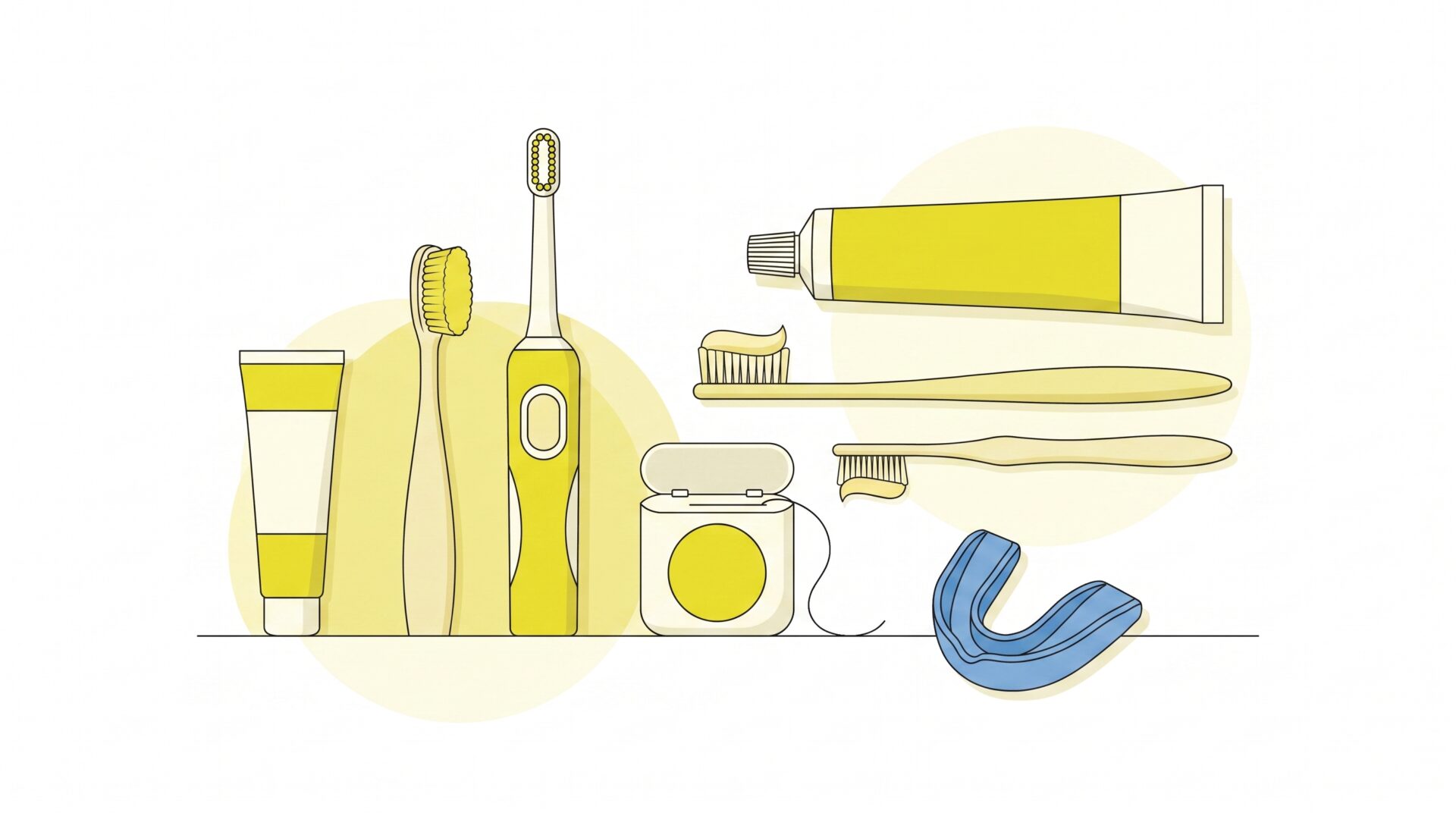
Sport is another major consideration. For contact sports such as football, hockey, basketball, martial arts and netball, a custom-fitted mouthguard is usually the safest option. Store-bought guards may feel bulky and can offer less reliable protection if they fit poorly.
Teenagers: independence, diet and confidence
Teenagers often take more control over their routines, but they may also face new risks. Soft drinks, sports drinks, energy drinks, frequent snacking, orthodontic appliances and irregular sleep can all affect oral health.
If your teenager has braces or clear aligners, brushing and flossing may need extra attention. Food and plaque can collect around brackets, attachments and wires. Your dentist or orthodontic provider can show them specific cleaning techniques that suit their appliance.
Wisdom teeth may also start to cause symptoms in the later teenage years or early adulthood. Pain at the back of the mouth, swelling, repeated gum infections, difficulty opening the mouth or pressure on nearby teeth should be assessed promptly.
Cosmetic concerns can also appear during this stage. Teens may ask about whitening because of social media or school formal photos. Whitening is not suitable for everyone, and it should be discussed with a dentist rather than attempted with unsafe online products. For older teens and adults who are clinically suitable, professional options such as in-chair teeth whitening may be considered after a dental assessment.
Adults: prevention is still the priority
Adults often delay dental visits because life is busy, pain is absent or they assume problems can wait. Unfortunately, gum disease and early decay may not hurt at first. By the time symptoms appear, treatment can be more involved.
Common adult dental concerns include bleeding gums, sensitivity, cracked teeth, old fillings, tooth grinding, staining, missing teeth and wisdom tooth pain. Stress can also show up in the mouth through clenching, jaw discomfort, headaches and tooth wear.
A regular dental check-up gives your dentist the chance to monitor changes over time. They may recommend professional cleaning, X-rays when clinically needed, fluoride treatment, replacement of failing restorations or discussion of options such as crowns, implants or root canal therapy.
Adults should also tell their dentist about medical changes, pregnancy, new medications, reflux, diabetes or dry mouth. Oral health and general health are closely connected, and your dental team can adjust advice accordingly.
Older adults: adapt care as health changes
Ageing does not automatically mean losing teeth. Many older adults keep their natural teeth for life, but oral care may need to change as gums recede, enamel wears, dexterity decreases or medications cause dry mouth.
Dry mouth is especially important because saliva helps protect teeth from decay and supports comfort when speaking and eating. It can be linked to medications, dehydration, medical conditions or cancer therapies. If your mouth feels dry, sticky or sore, speak with your dentist rather than simply drinking more sugary fluids or sucking on lollies.
Older adults with dentures, bridges or dental implants still need routine reviews. Dentures can affect the gums and soft tissues, while implants require careful cleaning and gum monitoring. Carers should also watch for changes in eating, speech, facial swelling, bad breath or reluctance to wear dentures, as these may point to oral discomfort.
The Better Health Channel notes that dental care remains important throughout life, including daily cleaning and regular professional care.
How often should your family see a dentist?
There is no single schedule that suits every person. Many families benefit from six-monthly visits, but some people need more frequent care while others with low risk may be advised differently. The right interval depends on decay risk, gum health, age, medical history, diet, orthodontic needs and previous dental problems.
| Situation | Why a dentist may recommend closer monitoring |
|---|---|
| Frequent decay or many fillings | New problems may develop quickly without preventive support |
| Bleeding gums or gum disease history | Gum inflammation can progress silently |
| Braces, aligners or complex dental work | Cleaning can be harder and restorations need review |
| Dry mouth or many medications | Reduced saliva can increase decay risk |
| Contact sport participation | Mouthguards need fit checks, especially for growing children |
| Dental anxiety | Short, regular visits can help build trust and reduce avoidance |
If you are unsure, ask your dentist to explain your risk level and recommended recall period. A good family dental care plan should feel realistic, not generic.
Simple habits that help every age group
While each life stage is different, a few habits support almost everyone. Brush twice daily with age-appropriate fluoride toothpaste, clean between teeth where possible, drink tap water, limit frequent sugary snacks and book dental visits before discomfort becomes severe.
It also helps to make oral care visible at home. Children copy adults, so brushing together can be more powerful than repeated reminders. Keep toothbrushes easy to access, replace them regularly, and avoid turning dental visits into a threat when children resist brushing.
For busy households, consider booking family appointments together or scheduling the next visit before leaving the clinic. Online booking can also make it easier to arrange care around school, work and activities.
When to seek urgent dental care
Some dental problems should not wait for a routine appointment. Prompt care can reduce pain, prevent complications and sometimes save a tooth.
Contact a dentist urgently if someone in your family has facial swelling, severe toothache, a knocked-out adult tooth, uncontrolled bleeding, dental trauma, signs of infection, a broken tooth with pain, or difficulty swallowing or opening the mouth.
For a knocked-out adult tooth, hold it by the crown rather than the root, avoid scrubbing it, and seek urgent dental help. If safe, it may be stored in milk or placed back in the socket, but children and distressed patients should be managed carefully to avoid swallowing the tooth. Baby teeth should not be replanted.
Frequently Asked Questions
What is the most important part of family dental care? Prevention is the foundation. Daily brushing, appropriate fluoride use, healthy eating patterns and regular dental reviews help detect problems early and reduce the need for more complex treatment.
At what age should children first see a dentist? A first visit is generally recommended when the first tooth appears or by around 12 months of age. Early visits also help parents learn how to prevent decay and make the dental clinic feel familiar to the child.
Do all family members need dental check-ups every six months? Not always. Six-monthly visits are common, but your dentist may recommend a different interval based on each person’s risk, gum health, age, medical history and treatment needs.
How can I help a child who is scared of the dentist? Keep your language positive, avoid describing dental treatment as punishment, bring them for simple check-ups early, and choose a dental team experienced with children. Short, calm visits can build confidence over time.
Is teeth whitening suitable for teenagers? Whitening should always be assessed by a dentist first. It may not be suitable for younger teens, people with untreated decay, sensitivity, gum problems or certain types of staining.
Support your family’s oral health in Toorak
Family dental care works best when it is consistent, personalised and easy to access. Toorak Village Dental Care provides general, children’s, cosmetic and emergency dental services with tailored treatment planning for different ages and needs.
If your family is due for a check-up, has a dental concern, or wants practical advice for a particular life stage, you can book with an experienced Toorak dentist and take the next step toward healthier smiles for everyone at home.
Disclaimer
The information provided on this website is for general informational and educational purposes only. It is not intended to replace professional dental advice, diagnosis or treatment. Dental needs and treatment outcomes vary between individuals. Always seek advice from a qualified dental practitioner regarding your specific circumstances before making decisions about your oral health or treatment. A consultation and clinical assessment are required to determine which treatment options may be suitable for you. All dental procedures carry potential risks and benefits, which will be discussed with you before treatment.