


Choosing a dental clinic is not just about finding the closest practice or the first available appointment. The right clinic should fit your health needs, budget, schedule, comfort level and long-term goals for your smile.
For many people, the search starts with a practical trigger: a toothache, a child’s first check-up, overdue scale and clean, interest in whitening, or a bigger treatment such as dental implants. Whatever prompted your search, a good decision now can make future care easier, calmer and more consistent.
Below is a practical guide to help you compare dental clinics with confidence, especially if you are looking for care in Toorak or surrounding Melbourne suburbs.
Start with the type of dental care you need
Before comparing clinics, define what you need now and what you may need later. Some practices focus mainly on routine care, while others offer a broader range of family, cosmetic and restorative services under one roof.
Your needs may include:
- Preventive care, such as check-ups, cleans, fluoride treatment and X-rays
- Family dentistry, including children’s dental visits and oral hygiene guidance
- Cosmetic dentistry, such as teeth whitening, veneers or smile enhancement planning
- Urgent treatment for tooth pain, swelling, broken teeth or dental trauma
- Restorative care, such as fillings, crowns, root canal therapy or dental implants
- Oral surgery services, including wisdom teeth assessment or removal
If you only need a routine clean, many clinics may be suitable. If you want continuity for the whole family, or you expect more complex treatment, it helps to choose a clinic that can manage a wider range of needs and refer appropriately when specialist care is required.
Check qualifications, registration and professional standards
In Australia, dental practitioners must be registered to practise. You can confirm a dentist’s registration through the AHPRA public register, which lists registered health practitioners across Australia.
Registration is the baseline. From there, look for signs that the clinic takes professional standards seriously. This includes clear communication, infection control processes, thorough medical history forms, informed consent and treatment planning that explains both benefits and risks.
A reputable dental clinic should never make you feel rushed into treatment. Even when care is urgent, you should still understand what is happening, why it is recommended and what alternatives may exist.
Look for services that match your stage of life
Your ideal clinic may change depending on your life stage. A young professional may prioritise cosmetic options and convenient bookings. A parent may want gentle children’s dentistry and support understanding government dental benefits. An older adult may need ongoing gum care, crowns, dentures or implant-related advice.
Here is a simple way to match your needs to the right clinic features:
| Your priority | What to look for in a clinic | Why it matters |
|---|---|---|
| Routine oral health | Check-ups, cleans, gum assessments and preventive advice | Helps detect issues early and reduce future treatment needs |
| Children’s dentistry | Calm communication, family-friendly appointments and benefit support | Builds positive habits and reduces dental anxiety from a young age |
| Cosmetic improvements | Whitening, smile design discussions and realistic outcome planning | Helps you understand what is suitable, safe and achievable |
| Tooth pain or dental trauma | Emergency dental care and clear triage processes | Faster assessment can relieve pain and prevent complications |
| Complex treatment | Root canal therapy, wisdom teeth care, implants or referral pathways | Gives you continuity and a clear plan if treatment involves multiple steps |
| Budget planning | Written estimates, health fund information and payment options | Reduces financial surprises and helps you plan treatment confidently |
If cosmetic treatment is one of your goals, ask the dentist to assess your oral health first. For example, whitening usually works best when your teeth and gums are healthy, and not every type of staining responds the same way. You can learn more about Toorak Village Dental Care’s dedicated in-chair teeth whitening offer if a brighter smile is part of your plan.
Pay attention to communication style
Clinical skill matters, but communication is what turns a technically good appointment into a reassuring experience. This is especially important if you are nervous, have had a bad dental experience before, or need treatment that involves multiple visits.
During your first contact or initial consultation, notice whether the clinic:
- Explains fees, appointment length and what to expect before you arrive
- Listens to your concerns instead of dismissing them
- Uses plain language rather than relying on dental jargon
- Presents options where appropriate, including pros, cons and likely timeframes
- Gives you time to ask questions before agreeing to treatment
A strong dentist-patient relationship is built on trust. You should feel comfortable saying, “I’m anxious,” “I don’t understand,” or “I need to think about the cost.” The response you receive can tell you a lot about the culture of the clinic.
Consider technology, but do not choose on technology alone
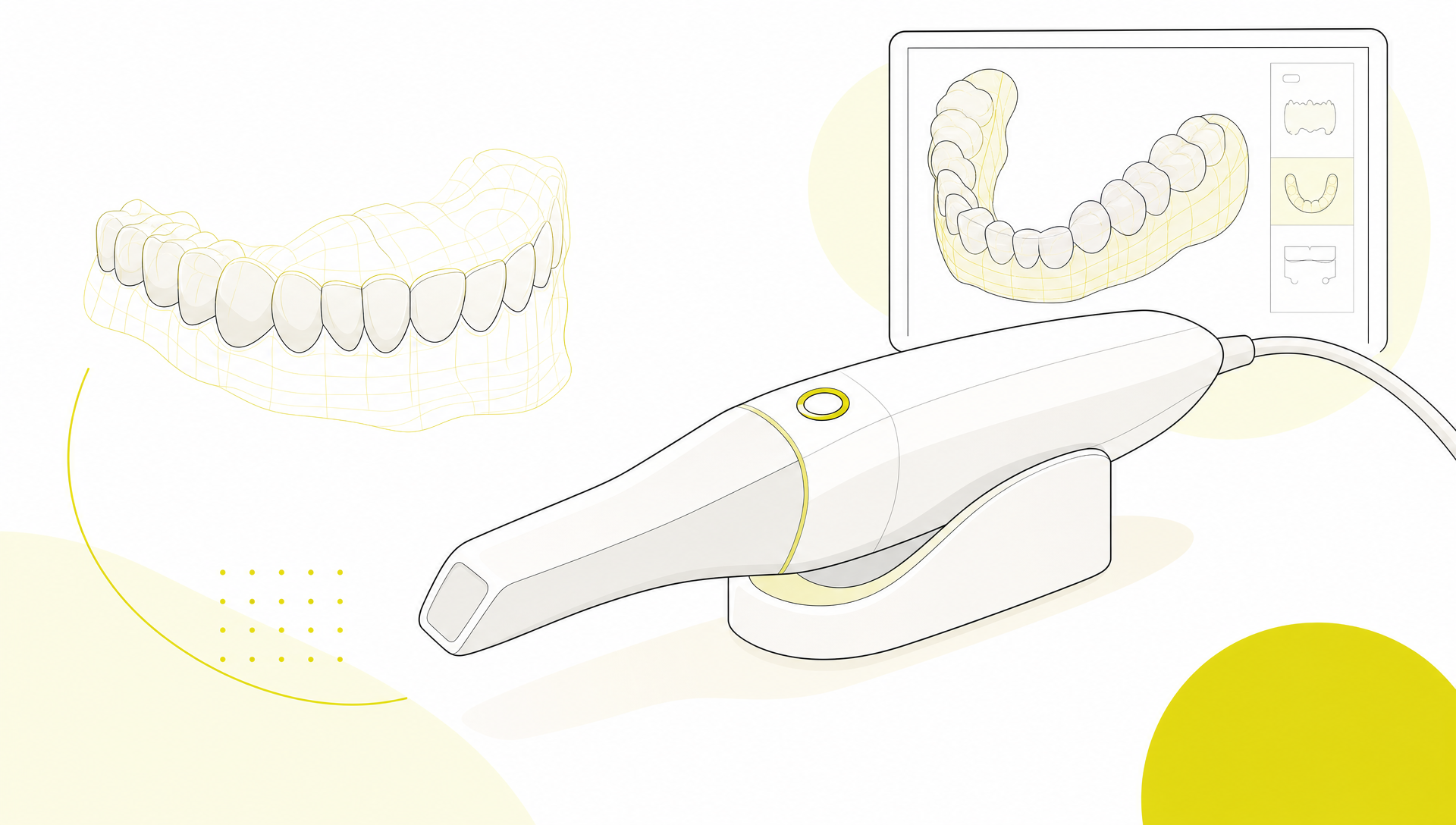
Modern dental technology can make diagnosis, treatment planning and patient education more efficient. Digital X-rays, intraoral imaging and contemporary treatment equipment can help dentists explain issues visually and plan care with more precision.
However, technology should support good dentistry, not replace judgement. The best question is not simply, “Does this clinic have advanced equipment?” It is, “How does this clinic use its technology to improve my care, comfort and understanding?”
For example, images can help you see cracks, worn fillings or gum concerns that are difficult to understand from a verbal explanation alone. This can make treatment decisions feel more transparent and less intimidating.
Understand costs, payment options and treatment plans
Cost is one of the biggest factors when choosing a dental clinic, and it is reasonable to ask about it early. Dental fees can vary depending on the complexity of treatment, materials used, appointment time, diagnostic needs and whether multiple visits are required.
A trustworthy clinic should be willing to provide an estimate before treatment, except in situations where diagnosis is still uncertain. For larger treatment plans, ask for the plan in writing so you can review the stages, priorities and costs.
Useful questions include:
- What is included in the quoted fee?
- Are X-rays, follow-up visits or temporary restorations charged separately?
- Is this treatment urgent, or can it be staged over time?
- Are there lower-cost alternatives, and what are the trade-offs?
- Do you offer payment plans or flexible payment arrangements?
If you have private health insurance, ask whether the clinic can provide item numbers before treatment so you can check your rebate with your health fund. If you are booking for a child, ask whether the practice can help you understand eligibility for children’s dental benefits.
Think about convenience, access and emergency care
Convenience matters because dental care is not usually a one-off event. You are more likely to keep up with preventive visits if the clinic is easy to reach, simple to contact and practical for your schedule.
Consider location, parking or public transport, online booking, appointment availability and how the clinic handles urgent concerns. If you live or work nearby, a local Toorak practice may be easier to visit for check-ups, follow-ups and unexpected dental issues.
Emergency dental care is especially worth considering before you need it. A clinic does not have to be open 24 hours to be helpful, but it should provide clear guidance on what to do if you have severe pain, facial swelling, a knocked-out tooth or a broken restoration.
Read reviews with a balanced eye
Online reviews can be useful, but they should not be the only basis for your decision. Look for patterns rather than focusing on one very positive or very negative review.
Good signs include repeated mentions of gentle care, clear explanations, punctuality, helpful reception staff and successful management of anxious patients. Be cautious if reviews repeatedly mention surprise costs, rushed appointments or poor communication.
Also remember that healthcare is personal. A clinic with excellent reviews may still not be the best fit for your personality, budget or treatment goals. Use reviews as a guide, then rely on your first direct interaction to judge fit.
Watch for red flags
Most dental clinics aim to do the right thing by patients, but it is still worth knowing what should make you pause.
Be careful if a clinic:
- Pressures you to accept major treatment immediately without explaining alternatives
- Refuses to provide a cost estimate for planned work
- Makes guaranteed cosmetic promises that sound unrealistic
- Does not explain risks, limitations or maintenance requirements
- Makes you feel embarrassed about your teeth or oral hygiene
Dentistry should be collaborative. You are allowed to ask questions, seek a second opinion and take time to decide on non-urgent treatment.
Make the most of your first appointment
Your first visit is the best opportunity to test whether the clinic suits you. Bring a list of medications, relevant medical conditions, previous dental concerns and any health fund details. If you have specific goals, such as reducing sensitivity, improving your smile or helping your child feel comfortable, mention them at the start.
After the appointment, ask yourself whether the dentist explained findings clearly, whether the team treated you respectfully and whether the treatment plan made sense. A good clinic will help you feel informed, not overwhelmed.
If you are looking for a local practice that offers general, cosmetic, emergency and children’s dental care, Toorak Village Dental Care provides a modern Toorak setting with online booking, tailored treatment planning and flexible payment options.
Frequently Asked Questions
How often should I visit a dental clinic? Many people benefit from a check-up and clean every six months, but the right interval depends on your oral health, gum condition, decay risk and medical history. Your dentist can recommend a schedule that suits you.
What should I ask before choosing a new dentist? Ask about the services offered, treatment costs, emergency appointment availability, payment options, experience with your specific concern and how the clinic supports nervous patients or children.
Is the cheapest dental clinic the best choice? Not always. Cost matters, but value also includes diagnosis quality, communication, materials, infection control, follow-up care and long-term outcomes. A clear estimate is more useful than simply choosing the lowest advertised price.
Can one dental clinic care for my whole family? Yes, many clinics provide care for adults and children. If family convenience is important, look for children’s dentistry, preventive care, emergency support and a team that communicates well with different age groups.
Should I choose a clinic near home or near work? Choose the location that makes it easiest to attend regular appointments. If you often need early, lunch-hour or post-work visits, a clinic near work may suit you. For family appointments, a clinic near home may be more practical.
Ready to choose with confidence?
The best dental clinic for you is one that combines clinical skill, clear communication, suitable services, transparent costs and a comfortable patient experience. Take the time to compare your options, ask questions and choose a team you can trust for both routine and unexpected care.
If you are in Toorak or nearby, you can book an appointment with Toorak Village Dental Care to discuss your oral health needs and explore a treatment plan tailored to you.
Disclaimer
The information provided on this website is for general informational and educational purposes only. It is not intended to replace professional dental advice, diagnosis or treatment. Dental needs and treatment outcomes vary between individuals. Always seek advice from a qualified dental practitioner regarding your specific circumstances before making decisions about your oral health or treatment. A consultation and clinical assessment are required to determine which treatment options may be suitable for you. All dental procedures carry potential risks and benefits, which will be discussed with you before treatment.