

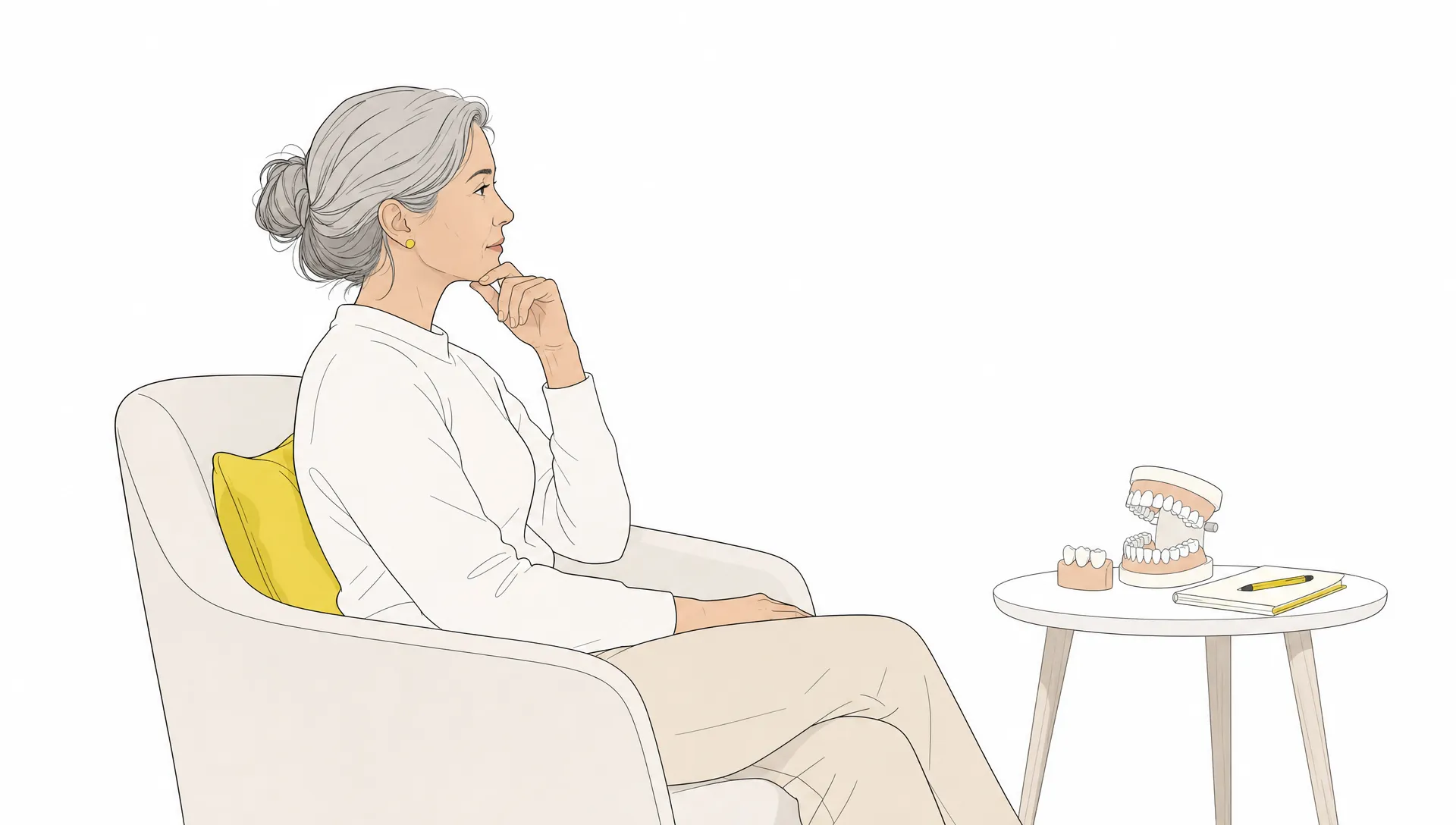
A second dental opinion can be helpful when a recommended treatment feels unclear, complex, costly or different from what you expected. If you have searched for a dental care dentist in Toorak because you want another view, the aim is not to prove one dentist right or wrong. It is to better understand your oral health, the options available and the potential benefits, risks and limitations before you decide what to do next.
In many cases, a second opinion may confirm the original advice. In others, it may explain an alternative approach or highlight questions that need to be answered before treatment begins. Either way, a careful second opinion can support informed decision-making, especially when the treatment has long-term implications for your teeth, gums, bite or budget.
What is a second dental opinion?
A second dental opinion is an assessment by another dentist or, in some situations, a dental specialist. It usually involves discussing your concerns, reviewing your dental history, examining your mouth and considering any relevant X-rays, scans or treatment plans.
It does not automatically mean changing dentists. It also does not mean the first treatment plan was inappropriate. Dentistry often involves judgement, particularly when there is more than one reasonable way to manage a problem. For example, a cracked tooth, heavily filled tooth or missing tooth may have several possible treatment paths depending on the remaining tooth structure, gum health, symptoms, appearance goals and your overall health.
A second opinion should give you clearer information. It should explain what the dentist can see, what they are concerned about, what options may be suitable and what uncertainties remain.
When might a second dental opinion be helpful?
A second opinion may be worth considering when the decision is significant, the diagnosis is not clear to you or the proposed treatment affects more than one tooth. It can also be useful when you feel you need more time or information before agreeing to a procedure.
Common situations include:
- A complex treatment plan: This might include several fillings, crowns, dental implants, root canal therapy, gum treatment or staged restorative care.
- A recommendation to remove a tooth: Extraction may be appropriate in some cases, but it is reasonable to ask whether there are other options and what their limitations may be.
- Several possible treatment choices: You may be comparing a filling, crown, onlay, root canal treatment, implant, bridge or denture.
- A high-cost treatment plan: A second opinion can help you understand what is essential, what is optional and whether treatment can be staged.
- Cosmetic treatment decisions: Veneers, whitening, bonding and crowns should be considered in the context of oral health, bite, tooth structure and realistic expectations.
- Ongoing symptoms: If pain, sensitivity or swelling continues despite treatment, another assessment may help clarify what else should be considered.
- Medical or personal factors: Pregnancy, diabetes, medications, past dental anxiety or a history of gum disease may affect planning.
If you are unsure whether your concern should be managed by a general dentist or a specialist, this guide to general dentists and dental specialists in Australia explains the difference and when a referral may be appropriate.
When you should not delay care to seek another opinion
A second opinion can be useful, but it should not delay urgent care when symptoms suggest a potentially serious problem. Prompt dental or medical assessment may be needed if you have facial swelling, fever, trauma, uncontrolled bleeding, severe pain, difficulty opening your mouth or trouble swallowing or breathing.
Healthdirect advises that dental abscess symptoms can include pain, swelling and fever, and some situations need urgent medical attention. You can read more about this on Healthdirect’s dental abscess page.
If you are not sure whether tooth pain should be assessed by a dentist or a GP, Toorak Village Dental Care has a practical article on who to contact for tooth pain. In an emergency, getting timely care is usually more important than waiting for multiple views.
Signs that you may need more explanation before deciding
Sometimes the issue is not the treatment itself, but the way it has been explained. A second opinion may help if you leave an appointment unsure about what problem is being treated or why a particular option was recommended.
| Situation | Helpful question to ask | Why it matters |
|---|---|---|
| You have been given several treatment options | What are the benefits, risks and limitations of each option? | It helps you compare options rather than focusing only on cost or speed. |
| You have been advised to remove a tooth | Is there any reasonable way to keep the tooth, and what are the risks? | It clarifies whether tooth preservation is possible or unlikely to succeed. |
| You are considering cosmetic dental work | Is my mouth healthy enough for this treatment first? | Cosmetic treatment should be planned with tooth and gum health in mind. |
| You are unsure about cost | Which parts are urgent, which are preventive and which are elective? | It may help you understand whether treatment can be prioritised or staged. |
| You feel rushed or confused | Can the plan be explained in plain language? | Informed consent requires that you understand the proposed care. |
What a dentist may assess during a second opinion appointment
During a second opinion appointment, the dentist will usually start by asking what prompted you to seek another view. This helps focus the assessment on your actual concern, whether that is a diagnosis, treatment option, cost, timing or communication issue.
The appointment may include an examination of your teeth, gums, bite, jaw joints, existing restorations and any areas causing symptoms. If you bring recent X-rays or scans, the dentist may review them. If images are missing, unclear or outdated, new images may be discussed, but only where they are clinically justified.
The dentist may also ask about your medical history, medications, allergies, past dental treatment and personal priorities. For example, some patients want to understand tooth-preserving options where possible. Others may be more concerned about long-term maintenance, treatment time, comfort during appointments or how different options may affect appearance.
A second opinion should not be a quick sales pitch for a different treatment. It should help you understand what is happening in your mouth and why one or more options may or may not be suitable.

How to prepare for a second dental opinion
You will usually get more value from the appointment if you bring clear information with you. If you have a written treatment plan, item numbers, X-rays, scans, photos or a referral letter, ask the original clinic whether copies can be provided. There may be an administrative process or fee for transferring records.
It can also help to write down your questions before the visit. When people feel nervous or overwhelmed, it is easy to forget what they wanted to ask.
Useful questions may include:
- What problem can you see, and how certain is the diagnosis?
- What might happen if I monitor the issue rather than treat it now?
- What treatment options may be available, including no treatment where appropriate?
- What are the likely limitations or risks of each option?
- How long might the treatment take, and what maintenance may be needed?
- Are there factors in my oral health or medical history that affect suitability?
- Would a specialist opinion be appropriate before making a decision?
A good second opinion should leave room for your questions. You should feel able to ask for plain-language explanations, diagrams, images or written information where this would help your understanding.
What if two dentists give different advice?
Different advice can feel frustrating, but it does not always mean one opinion is wrong. Dental treatment planning often depends on how much tooth structure remains, the condition of the nerve, gum support, bite forces, cosmetic expectations, risk of future breakdown and the patient’s preferences.
If two dentists recommend different approaches, compare the reasoning behind each plan rather than choosing only by price or convenience. Ask each dentist to explain the diagnosis, the goal of treatment, what the treatment can and cannot achieve, the possible complications and what maintenance may be required.
In some cases, a third view from an appropriate dental specialist may be considered. This may be especially relevant for complex root canal treatment, gum disease, oral surgery, orthodontics, dental implants or complicated restorative planning. A general dentist can discuss whether a referral may be helpful.
Costs, health insurance and payment considerations
Cost is a common reason people seek a second opinion, particularly for larger treatment plans. It is reasonable to ask for a written estimate, item numbers and an explanation of which parts of the plan are urgent, preventive, functional or cosmetic.
Private health insurance may contribute to some dental treatment depending on your level of extras cover, waiting periods, annual limits and fund rules. It generally does not cover every cost. This article on using private health insurance for dental care explains common Australian insurance terms and why estimates can vary.
Toorak Village Dental Care offers interest-free payment plans, which may be relevant for some patients considering treatment. Suitability, terms and timing should be discussed directly with the clinic before making a decision.
Cost matters, but the cheapest option is not always the most appropriate. A careful plan should consider diagnosis, risks, likely maintenance, long-term prognosis and your individual circumstances.
Choosing someone to provide a second opinion in Toorak
If you live or work around Toorak, South Yarra, Armadale, Prahran, Malvern or Hawthorn, it may be practical to choose a clinic that is easy to attend for an assessment and any follow-up discussions. Convenience is useful, but it should not be the only factor.
Consider whether the dentist explains things clearly, discusses alternatives, acknowledges uncertainty where it exists and gives you time to decide. You can also check that a practitioner is registered in Australia through the Ahpra public register.
If you are weighing up where to go, this guide on choosing a dental clinic that suits your needs may help you think through communication style, treatment needs, technology, cost discussions and practical access.
Frequently asked questions
Do I need to tell my current dentist I am getting a second opinion? You do not have to, but telling them may make it easier to request records, X-rays and treatment notes. Having this information can reduce duplication and help the second dentist understand what has already been assessed.
Will a second opinion always give me a different option? Not necessarily. The second dentist may agree with the original diagnosis and plan. That can still be valuable if it gives you more confidence in understanding why treatment was recommended.
Can I seek a second opinion after treatment has started? In some cases, yes. The second dentist will need to know what treatment has already been completed, what materials or procedures were used and what symptoms or concerns remain. They may also need to contact the treating dentist with your consent.
Will I need new X-rays for a second opinion? Not always. Recent, good-quality images may be enough. New X-rays may be discussed if existing images are not available, do not show the area clearly or are no longer suitable for the current concern.
Does a second opinion mean I should choose the cheaper treatment plan? Not automatically. Cost is one factor, but suitability also depends on diagnosis, oral health, likely prognosis, risks, maintenance needs and your personal circumstances.
Considering a second dental opinion in Toorak?
A second opinion may help if you have been given a complex treatment plan, feel unsure about your options or want a clearer explanation before deciding. A dental examination can help determine what is happening and which options may be appropriate for your oral health, medical history and goals.
To discuss your concerns, you can book an appointment with Toorak Village Dental Care. Your dentist can assess your mouth, explain the potential benefits, risks and alternatives, and help you make an informed decision about your next step.
Disclaimer
The information provided on this website is for general informational and educational purposes only. It is not intended to replace professional dental advice, diagnosis or treatment. Dental needs and treatment outcomes vary between individuals. Always seek advice from a qualified dental practitioner regarding your specific circumstances before making decisions about your oral health or treatment. A consultation and clinical assessment are required to determine which treatment options may be suitable for you. All dental procedures carry potential risks and benefits, which will be discussed with you before treatment.