

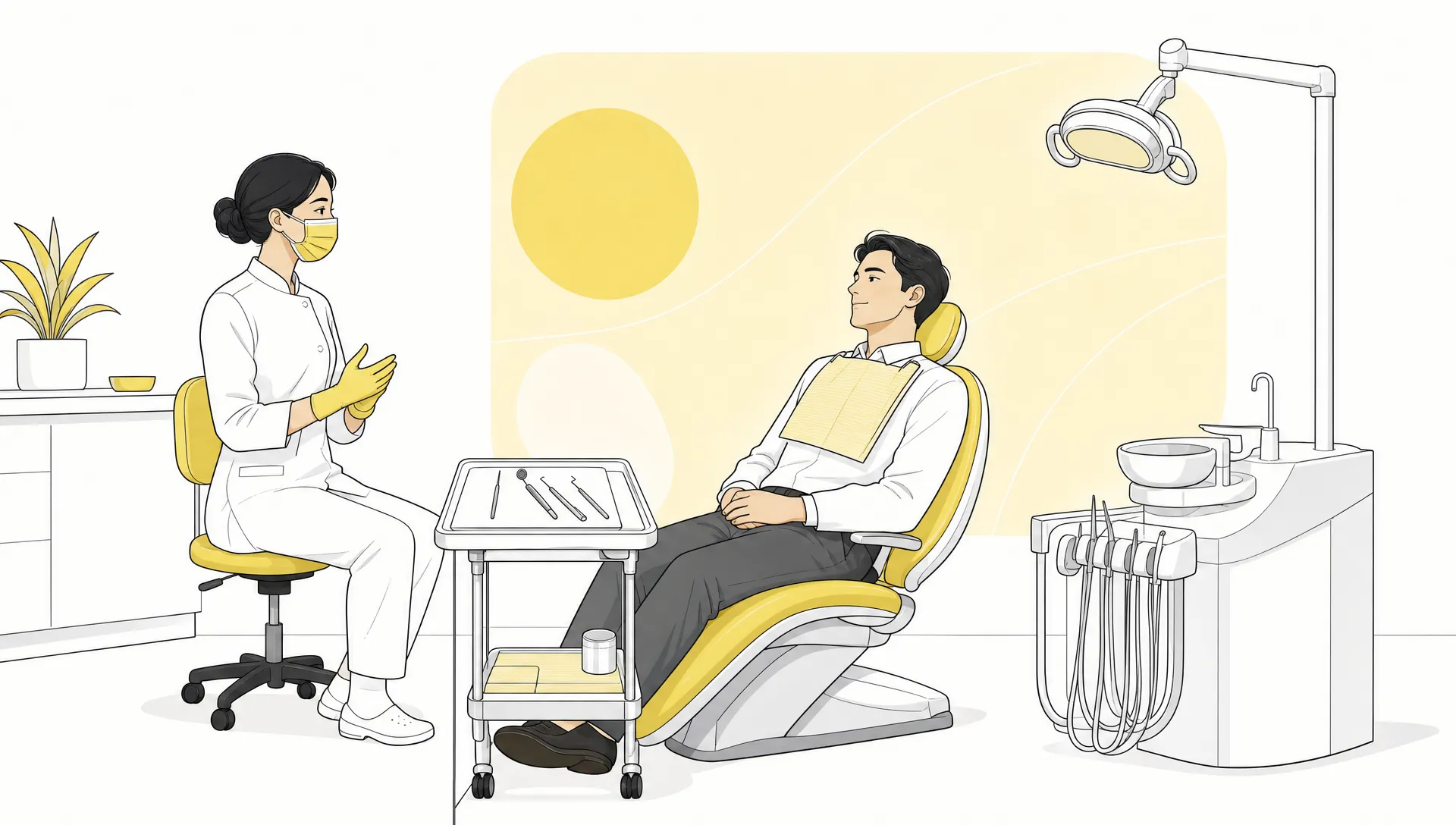
If you have searched for a dental clinic specialist, you may be trying to work out whether your concern should be managed by a general dentist or by a dental specialist. The short answer is that a general dentist is often the first point of contact for tooth pain, check-ups, fillings, whitening, crowns, children’s dentistry and many other common needs. A dental specialist may be involved when a condition is more complex, requires additional training or sits within a recognised specialty area.
In Australia, the word specialist has a specific meaning in healthcare. It is not simply a marketing term. Understanding that difference can help you ask clearer questions, choose an appropriate appointment and feel more prepared if a referral is discussed.
Do you need a general dentist or a dental clinic specialist?
Most people do not need to decide this alone. A general dentist can examine your mouth, discuss your symptoms or goals, take any necessary records and explain whether your care can be managed in general practice or whether a referral may be appropriate.
The phrase dental clinic specialist is commonly used online, but the more accurate term in Australia is dental specialist. According to the Dental Board of Australia’s specialist registration information, specialist registration is a separate type of registration for dentists who meet the Board’s requirements in an approved specialty.
This matters because a dentist may have additional training, experience or an interest in a particular area without being registered as a specialist. That does not automatically mean the care is inappropriate. It simply means patients should understand the difference between a dentist offering a service and a dentist who holds specialist registration in that area.
What does a general dentist do?
A general dentist provides a broad range of dental care for children, teenagers and adults. For many patients in Toorak, South Yarra, Armadale, Prahran, Malvern and Hawthorn, a general dental clinic is the usual starting point for everyday oral health concerns.
A general dentist may help with:
- Dental examinations, cleans and preventive advice
- Tooth decay, fillings and broken teeth
- Gum health checks and early management of gum disease
- Toothache, dental infections and emergency appointments
- Root canal therapy in suitable cases
- Crowns, bridges, veneers and other restorative options
- Teeth whitening and other cosmetic dental treatments where clinically appropriate
- Children’s dental care and family dental planning
- Mouthguards, night guards and advice for tooth wear or grinding
A general dentist can also coordinate care. For example, if you have tooth pain, your dentist may assess whether the cause appears to be decay, a cracked tooth, gum infection, wisdom tooth inflammation, sinus-related discomfort or another issue. If your symptoms are severe, unusual or outside the dentist’s scope for that appointment, they may recommend referral or further investigation.
If you are unsure whether tooth pain is a dental or medical issue, our article on whether to contact a dentist or GP for tooth pain explains common situations in more detail.
What is a dental specialist in Australia?
A dental specialist is a dentist who has completed additional recognised training and holds specialist registration in a particular field of dentistry. Patients can check a practitioner’s registration type through the Ahpra public register.
Examples of dental specialty areas include endodontics, orthodontics, periodontics, paediatric dentistry, prosthodontics, oral surgery, oral medicine and oral and maxillofacial surgery. This is not a complete list, but it shows the range of areas where additional specialist training may apply.
Specialists usually see patients for more complex, less common or technically specific concerns. Seeing a specialist does not guarantee a particular outcome. Like all dental treatment, specialist care requires assessment, discussion of options and consideration of potential benefits, limitations and risks.
When might a general dentist refer you to a specialist?
A referral is not a sign that something is wrong with your dentist’s care. It often means your dentist believes another practitioner’s additional training or facilities may be useful for your situation.
| Dental concern | General dentist may help by | Specialist involvement may be considered when |
|---|---|---|
| Tooth nerve problems | Assessing pain, taking X-rays and providing root canal therapy in suitable cases | The root canal anatomy is complex, previous treatment has failed or symptoms are difficult to diagnose |
| Gum disease | Checking gum pockets, cleaning teeth and giving home care advice | Gum disease is advanced, recurring or requires specialist periodontal management |
| Crooked teeth or bite concerns | Discussing alignment concerns and possible referral options | Comprehensive orthodontic planning is required |
| Missing teeth | Discussing dentures, bridges or implant options and assessing oral health | Implant planning is complex or bone, gum or bite factors need specialist input |
| Wisdom teeth | Assessing symptoms, infection risk and X-rays | Teeth are impacted, close to important structures or removal is more complex |
| Children’s dental care | Providing check-ups, prevention and simple treatment | A child has complex needs, significant dental anxiety, medical considerations or extensive treatment needs |
| Oral lesions or unusual symptoms | Examining soft tissues and monitoring or referring when needed | Symptoms are persistent, unclear or may require oral medicine assessment |
The right pathway depends on your oral health, medical history, anatomy, symptoms, goals, previous treatment and personal preferences.
Common types of dental specialists patients may hear about
You do not need to memorise specialist titles before booking a dental appointment. Still, it can be helpful to understand the names if your dentist mentions a referral.
An endodontist focuses on problems inside the tooth, including the dental pulp, nerves and root canal system. A periodontist focuses on the gums and supporting structures around teeth. An orthodontist focuses on tooth movement and bite alignment. A paediatric dental specialist has additional training in children’s dentistry, particularly for more complex paediatric needs.
A prosthodontist focuses on complex restorative dentistry, such as crowns, bridges, dentures, implants and rehabilitation of worn or missing teeth. An oral surgeon or oral and maxillofacial surgeon may be involved in some surgical procedures, including certain wisdom tooth or jaw-related cases. The exact referral depends on the clinical situation.
These titles are different from service descriptions such as cosmetic dentist or implant dentist. In Australia, cosmetic dentistry is not a separate specialist registration category. A general dentist may provide cosmetic dental treatments within their training and scope, and a specialist may be involved for more complex restorative or orthodontic needs. If your main concern is appearance, our guide to choosing a cosmetic dentist in Melbourne explains how to assess training, communication and treatment planning in a balanced way.
What a referral to a dental specialist may involve
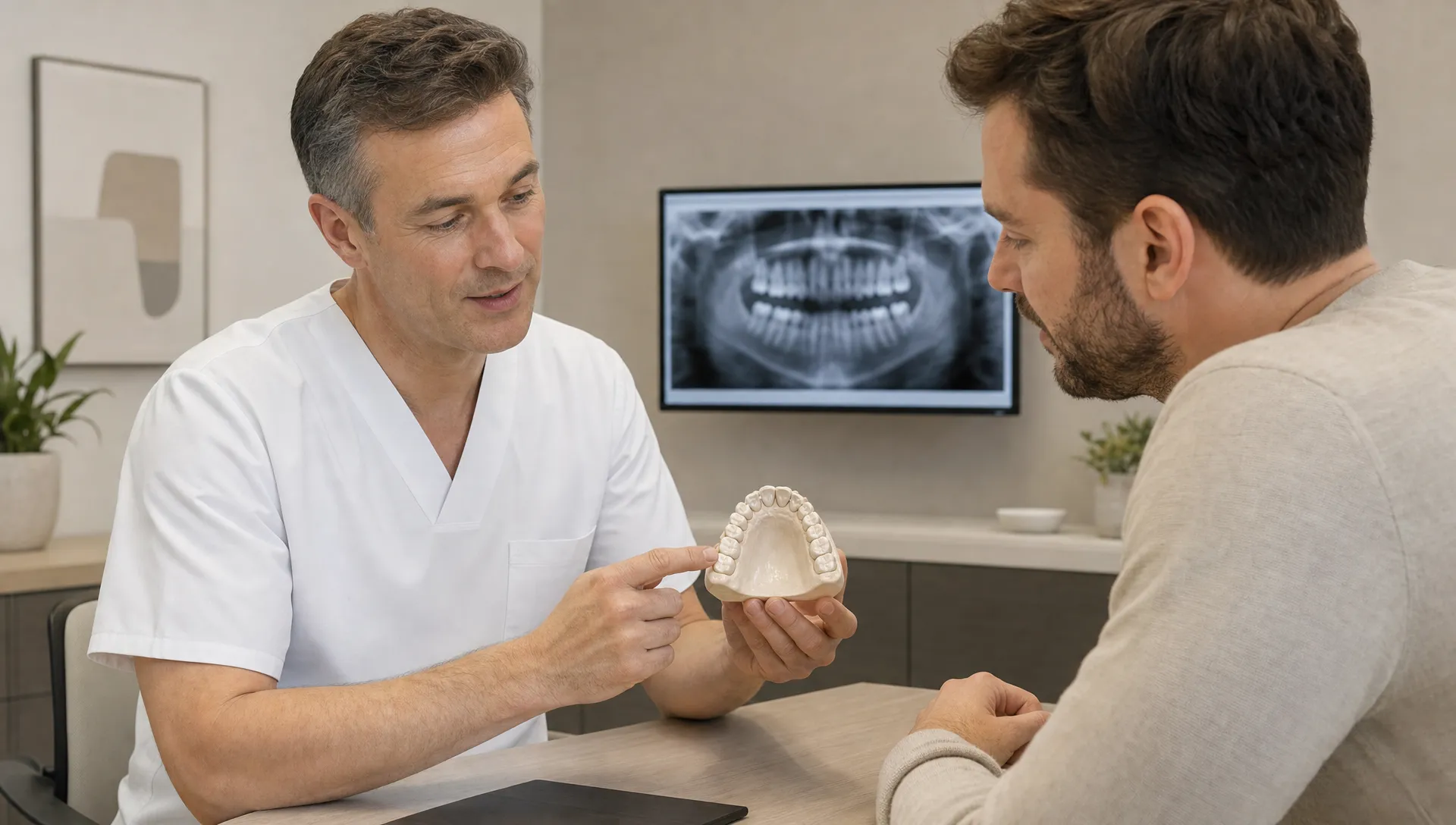
If your dentist recommends referral, they may send relevant notes, X-rays, photographs or scans to the specialist clinic. You may then attend a consultation where the specialist assesses your concern, explains findings and outlines possible options.
A specialist consultation may not always lead to treatment. Sometimes the recommendation is monitoring, returning to your general dentist for ongoing care or considering several options before making a decision. If treatment is recommended, you should be given information about expected appointments, fees, likely recovery, risks and alternatives before you consent.
It is reasonable to ask whether your general dentist and the specialist will communicate about your care. For example, a specialist may complete one part of treatment and then refer you back to your general dentist for maintenance or restoration. This shared approach is common in dentistry.
Can you see a specialist without a referral?
In many private dental settings, you may be able to contact a specialist clinic directly. However, a referral is often useful because it provides background information and helps the specialist understand what has already been assessed.
A referral can also reduce duplicated tests and make communication clearer between practitioners. If you have private health insurance, you may wish to contact your health fund before treatment to understand your cover, waiting periods and item numbers. Dental fees and rebates vary, and a written estimate can help you make an informed decision.
If your concern is urgent, such as facial swelling, dental trauma, uncontrolled bleeding or severe pain, seek prompt professional advice. A general dentist is often a suitable first contact for dental emergencies, but some situations may require medical or hospital-based care.
Is specialist care better than general dental care?
Better is not the most helpful way to frame it. General dentists and dental specialists have different roles. A general dentist is trained to diagnose, treat and monitor a wide range of oral health concerns. A specialist has additional training in a defined area and may be appropriate for certain complex cases.
For a routine filling, check-up, whitening discussion or simple crown, a general dentist may be suitable. For a complex root canal retreatment, advanced gum disease or certain surgical concerns, specialist input may be recommended. The decision should be based on clinical need rather than the idea that one type of practitioner is automatically superior.
All dental procedures carry potential risks and benefits. For example, treatment may involve temporary sensitivity, discomfort, infection risk, healing time, changes to the bite or the need for further treatment. The specific risks depend on the procedure and your circumstances, so they should be discussed before you decide.
How to choose the right starting point in Toorak
If you are not sure where to begin, a general dental examination is usually a practical first step. Your dentist can assess your teeth, gums, bite, soft tissues and medical history, then explain whether your concern appears suitable for general dental care or whether another practitioner should be involved.
When choosing a dental clinic, consider whether the team explains options clearly, discusses costs before treatment, answers questions without pressure and refers when care sits outside their scope. Location and appointment availability matter too, especially if you need multiple visits or ongoing maintenance.
For a broader checklist, you may find our guide on how to choose a dental clinic that suits your needs helpful.
Useful questions to ask include:
- Is my concern suitable for general dental care or should a specialist opinion be considered?
- What are the possible benefits, risks and limitations of each option?
- Are there alternatives, including monitoring or no treatment for now?
- How many appointments may be involved?
- What fees should I expect, and will I receive a written estimate?
- If I am referred, how will my care be coordinated afterwards?
Good dental decision-making is not about rushing into treatment. It is about understanding the diagnosis, the reasonable options and what each option may involve.
Frequently Asked Questions
Is a general dentist qualified to treat tooth pain? Yes. A general dentist is commonly the first practitioner to assess tooth pain. They can examine the tooth and surrounding tissues, arrange X-rays when appropriate and discuss whether treatment, monitoring, medication advice or referral may be needed.
Does a dentist need to be a specialist to provide cosmetic dentistry? Not necessarily. Cosmetic dentistry is not a separate specialist registration category in Australia. General dentists may provide treatments such as whitening, bonding, veneers or crowns where they are trained and the treatment is clinically appropriate. More complex cases may involve referral or collaboration with a specialist.
How can I check if a dentist is registered as a specialist? You can search the Ahpra public register to check a practitioner’s registration type. If someone uses a specialist title, their registration should reflect that specialty.
Will my general dentist tell me if I need a specialist? A dentist should discuss referral when they believe specialist input may be appropriate. You can also ask directly if there are any reasons to seek a second opinion or specialist assessment.
Is specialist treatment always more complex? Specialist treatment often relates to more complex or specific concerns, but complexity varies. A consultation may result in treatment, monitoring or a recommendation to continue care with your general dentist.
Can Toorak Village Dental Care assess whether I need a referral? A dental examination can help clarify the likely cause of your concern and whether general dental care or referral may be appropriate. Suitability depends on your individual oral health, medical history and treatment needs.
When to discuss your options
If you are unsure whether to book with a general dentist or seek specialist care, starting with an assessment can help you understand your options. This is especially useful if you have ongoing tooth pain, bleeding gums, a broken tooth, wisdom tooth symptoms, concerns about missing teeth or questions about cosmetic treatment.
To discuss your concerns in Toorak, you can arrange an appointment with Toorak Village Dental Care. Your dentist can assess your oral health, explain possible next steps and discuss whether referral to a dental specialist may be appropriate for your circumstances.
Disclaimer
The information provided on this website is for general informational and educational purposes only. It is not intended to replace professional dental advice, diagnosis or treatment. Dental needs and treatment outcomes vary between individuals. Always seek advice from a qualified dental practitioner regarding your specific circumstances before making decisions about your oral health or treatment. A consultation and clinical assessment are required to determine which treatment options may be suitable for you. All dental procedures carry potential risks and benefits, which will be discussed with you before treatment.