

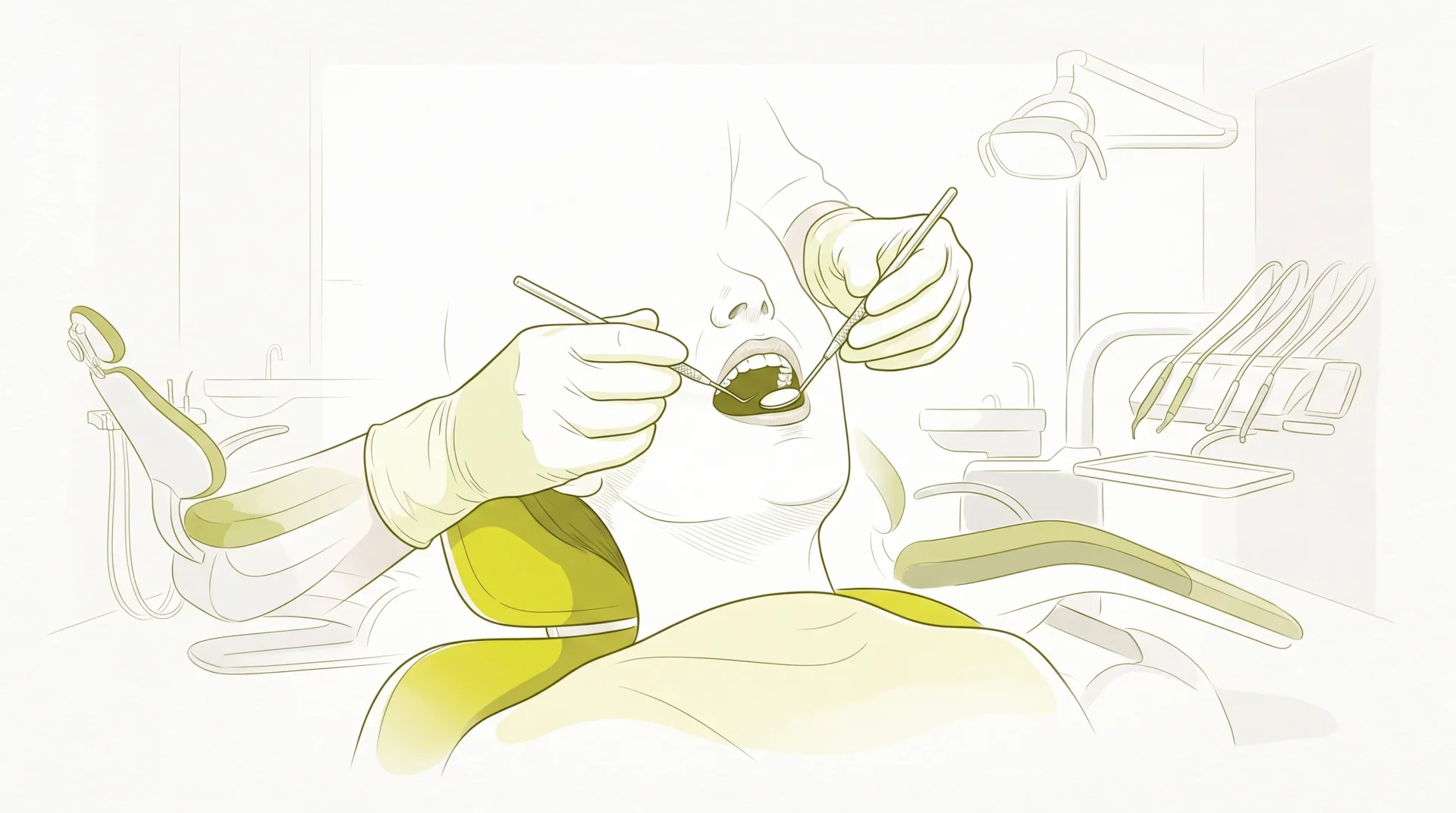
Knowing what to ask can make a dental appointment clearer, calmer and more useful. If you are thinking about your dental health before a check-up, the most helpful questions are usually practical: what is happening in my mouth now, what risks should I understand, what can I do at home and which options are worth considering? This article gives you five patient-friendly questions to take to your next appointment.
The information below is general in nature and is not a substitute for a dental examination. Your dentist can assess your teeth, gums, mouth, medical history and goals before explaining which care options may be appropriate for your circumstances.
Why asking about dental health is worth your time
A dental appointment is not only about checking for cavities. It can also be a chance to understand your gums, bite, enamel, previous dental work, oral hygiene routine and risk factors.
Good questions help you leave with practical information rather than vague reassurance. They can also help you make informed choices if treatment is recommended, including understanding benefits, risks, alternatives, expected timeframes and costs.
| Question to ask | What it can help clarify |
|---|---|
| What can you see today? | Current findings, areas to monitor and what may need attention |
| What is my risk level? | Tooth decay, gum inflammation, wear, cracks or other concerns |
| What should I do at home? | Brushing, flossing, fluoride, diet and habits |
| What are my options? | Possible treatments, alternatives, limits and risks |
| When should I return? | A check-up interval based on your individual risk |
Question 1: What can you see in my mouth today?
This is a simple question, but it can open up a helpful conversation. Your dentist may look at your teeth, gums, soft tissues, jaw joints, bite and existing fillings, crowns or other dental work. They may also take X-rays if they are clinically appropriate.
Ask your dentist to explain what they can see in plain language. If they mention plaque, tartar, enamel wear, gum pockets or decay, it is reasonable to ask what those terms mean and whether the finding needs treatment now or monitoring over time.
This dental health discussion can be especially useful if you have not had a check-up for a while, have moved to Toorak or are returning to care after a break. If you would like to understand what may be included in a routine appointment, Toorak Village Dental Care has a helpful guide on which dental services may be part of a check-up.
Question 2: What is my risk of tooth decay or gum disease?
Two people can brush the same way and still have different risks. Your risk can be influenced by saliva flow, diet, medication, smoking or vaping, pregnancy, diabetes, reflux, past decay, gum history, orthodontic appliances and how easily you can clean certain areas.
A practical dental health question is: “What makes me more or less likely to develop problems?” This helps shift the conversation from blame to prevention. For example, frequent snacking or sipping sweet drinks can expose teeth to repeated acid attacks, even when the total amount of sugar seems modest.
Gums are worth asking about too. Bleeding when brushing or flossing may happen for several reasons, including plaque build-up, brushing technique, changes in flossing habits, pregnancy or gum disease. If this is happening regularly, the article on bleeding gums when brushing explains when a dental assessment may be sensible.
You can also ask whether any areas are being watched rather than treated. Monitoring can be appropriate in some situations, but you should understand what signs would change the plan.
Question 3: How do my daily habits affect dental health?
Small daily habits often matter more than occasional intensive efforts. Ask your dentist or oral health professional to watch how you brush, check whether you are reaching the gumline and suggest ways to clean between teeth. Interdental cleaning may involve floss, interdental brushes or other aids, depending on your teeth and dexterity.
Fluoride toothpaste is commonly recommended because fluoride helps strengthen enamel and reduce the risk of tooth decay. The Australian Dental Association’s patient resource, Teeth.org.au, provides consumer information on brushing, fluoride, diet and common oral health topics.
If you have children, routines are often easier when they feel predictable and low-pressure. Families familiar with play-based early learning environments may recognise how repeated daily activities can help children build confidence with everyday skills. Toothbrushing at home can use the same idea: a consistent time, a calm tone and age-appropriate support.
For adults and children alike, you might ask:
- Am I brushing for long enough and reaching the right areas?
- Should I use floss, interdental brushes or another cleaning aid?
- Are my snacks or drinks increasing my risk of decay?
- Do I need a mouthguard for sport or a night guard assessment for grinding?

Question 4: If something is found, what are my options?
If your dentist finds decay, gum inflammation, a cracked tooth, infection, tooth wear or a cosmetic concern, ask what options may be available. In some cases, no immediate treatment may be needed and monitoring may be appropriate. In other cases, treatment may be recommended to manage symptoms, reduce progression or restore function.
Options may include preventive care, a filling, a scale and clean, fluoride application, a crown, root canal therapy, extraction, whitening, orthodontic referral or implant assessment. Not every option is suitable for every person.
A balanced treatment discussion should include the possible benefits, limitations, risks, likely number of appointments and alternatives, including the option of not proceeding immediately where that is clinically reasonable. All dental procedures carry potential risks and benefits, and treatment outcomes and experiences vary between patients.
It is also fair to ask how a recommended treatment fits into your broader dental health priorities. For example, if you are considering whitening but also have active gum inflammation, your dentist may discuss stabilising gum health first. If you have a missing tooth, your dentist can explain options such as leaving the space, a denture, a bridge or an implant assessment, depending on your mouth and goals.
Question 5: How often should I come back for check-ups?
There is no single check-up schedule that suits everyone. Many adults use six to 12 months as a starting point, but your recommended interval may be shorter or longer depending on your risk of decay, gum disease, tooth wear, medical conditions, smoking history, dry mouth, previous dental treatment and oral hygiene.
A personalised dental health plan should explain why a particular review interval is suggested. If your risk is low and things are stable, your dentist may recommend routine monitoring. If you have active gum disease, frequent decay, complex dental work or symptoms that need review, more regular appointments may be discussed.
If you are unsure what timing makes sense, this guide on how often adults should have a dental check-up explains the factors that can influence recall intervals.
Cost is also reasonable to discuss. Ask for an estimate before treatment begins, whether item numbers can be provided for your health fund and whether payment options are available. If you are booking for children, you can also ask whether Child Dental Benefits Schedule support may apply to your family’s situation.
When should you speak with a dentist sooner?
Some concerns should not wait for a routine appointment. Arrange prompt dental advice if you have facial swelling, dental trauma, a knocked-out adult tooth, severe toothache, signs of infection, uncontrolled bleeding, a broken tooth causing pain or difficulty eating, or a lump, ulcer or mouth sore that does not heal.
These symptoms do not always mean something serious is happening, but they do deserve professional assessment. A dentist can examine the area, discuss possible causes and explain which next steps may be appropriate.
Frequently asked questions
Is it worth preparing questions before a dental appointment? Yes. Preparing questions can help you make better use of your appointment and understand your oral health more clearly. It can be especially useful if you feel nervous, have several concerns or are deciding between treatment options.
What is the most important dental health question to ask? A helpful starting point is: “What are my main risks, and what can I do about them?” This invites your dentist to explain both current findings and prevention strategies that suit your individual situation.
Should I ask about treatment risks? Yes. It is reasonable to ask about possible benefits, risks, limitations, alternatives and what may happen if treatment is delayed or not undertaken. Your dentist can explain these points based on your clinical findings.
Can children ask their own dental questions? They can, where age-appropriate. Encouraging children to ask simple questions about brushing, food choices or what happens during a check-up may help them feel more involved and comfortable with routine care.
How do I know whether cosmetic treatment is suitable for me? Suitability depends on your teeth, gums, bite, oral hygiene, medical history and goals. A dentist can assess whether cosmetic options such as whitening or veneers may be appropriate and explain the limitations and maintenance involved.
Speak with a dentist in Toorak
If you are in Toorak, South Yarra, Armadale, Prahran, Malvern, Hawthorn or nearby Melbourne suburbs, a dental examination can help you understand your current dental health and which options may be appropriate for your needs.
To discuss your concerns, you can arrange an appointment with Toorak Village Dental Care. Your dentist can assess your mouth, answer your questions and explain the potential benefits, risks and alternatives before any treatment decisions are made.
Disclaimer
The information provided on this website is for general informational and educational purposes only. It is not intended to replace professional dental advice, diagnosis or treatment. Dental needs and treatment outcomes vary between individuals. Always seek advice from a qualified dental practitioner regarding your specific circumstances before making decisions about your oral health or treatment. A consultation and clinical assessment are required to determine which treatment options may be suitable for you. All dental procedures carry potential risks and benefits, which will be discussed with you before treatment.