

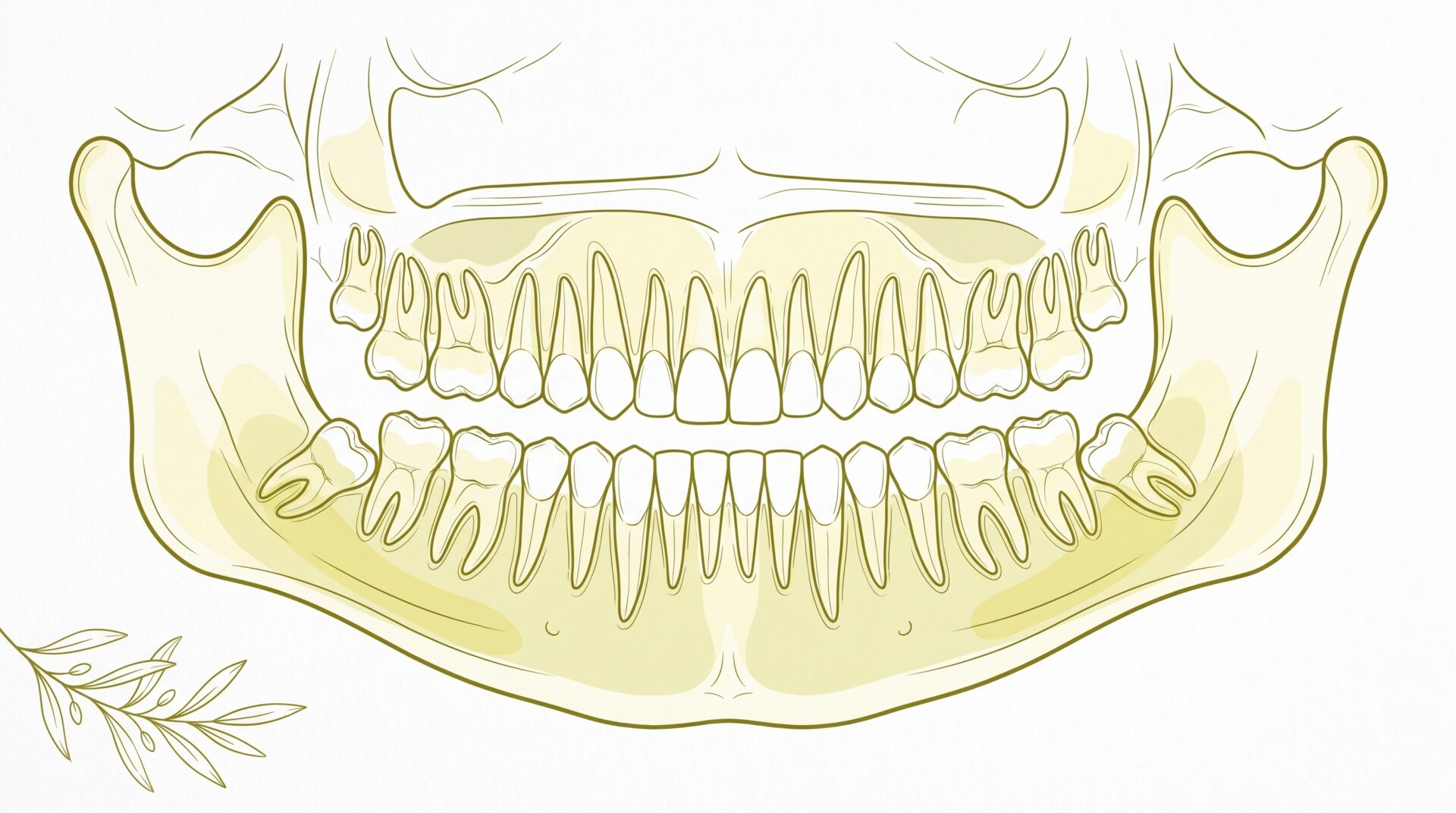
Before wisdom tooth removal, your dentist will usually check why the tooth is causing concern, take or review X-rays, discuss your medical history and explain your options. Good wisdom dental care at this stage is about deciding whether removal is appropriate, planning it carefully and making sure you understand the potential benefits, risks and alternatives before giving consent.
Wisdom teeth are the third molars at the back of the mouth. They often come through in the late teens or twenties, although the timing varies. Some wisdom teeth come through without causing issues and may simply be monitored. Others may be difficult to clean, partly trapped under the gum or positioned in a way that affects the neighbouring tooth.
If you are in Toorak or nearby suburbs such as South Yarra, Armadale, Prahran, Malvern or Hawthorn, a pre-removal appointment is usually the first practical step. It is not just a booking for extraction. It is an assessment to work out what is happening and what approach may be suitable for your circumstances.
The short answer: assessment comes before extraction
Before a wisdom tooth is removed, your dentist needs to understand the tooth, the surrounding gum and the nearby structures. This may include checking for inflammation around the gum flap, decay, food trapping, damage to the tooth in front or signs of infection.
Your dentist may also ask about symptoms such as pain at the back of the jaw, swelling, a bad taste, difficulty opening your mouth or repeated episodes of soreness. If you have significant swelling, fever, difficulty swallowing or trouble breathing, seek prompt medical or dental advice, as these symptoms may need urgent assessment.
For many patients, wisdom dental care before removal is a calm planning conversation rather than a rushed procedure. If you feel anxious about dental visits, it may help to read about what gentle dental care means for nervous patients so you know how communication, pacing and consent can be managed during an appointment.
When wisdom tooth removal may be considered
Removal may be discussed when a wisdom tooth is causing repeated problems or has a high risk of causing further issues. Common reasons include recurrent gum inflammation, decay in the wisdom tooth, decay or gum problems affecting the second molar, infection or a tooth that cannot be properly cleaned because of its position.
An impacted wisdom tooth is one that has not fully come through the gum, often because there is not enough space or because it is angled against another tooth. Impacted teeth do not always need removal, but they do need proper assessment. The Australian Dental Association’s patient resource teeth.org.au explains that wisdom teeth can sometimes remain trouble-free, while others may become painful or infected.
Good wisdom dental care does not assume that every wisdom tooth should be taken out. Your dentist can discuss whether monitoring, cleaning advice, treating active infection or removal may be appropriate, depending on what is found during the examination.
How wisdom dental care begins before removal
A pre-removal visit usually starts with a conversation. Your dentist may ask when the symptoms began, whether they come and go, what makes them worse and whether you have had swelling, bleeding or an unpleasant taste around the back tooth.
The clinical examination may include looking at the gum around the wisdom tooth, checking how far the tooth has erupted, assessing your bite and looking at nearby teeth. Your dentist may gently check whether the area is tender and whether there are signs of food trapping or gum infection.
If you have not attended the practice before, you may also be asked about your usual dental care, past dental treatment and any concerns you would like to discuss. The appointment should give you the chance to ask questions before a treatment decision is made. If you are unsure what to expect at a general visit, this overview of what happens at a gentle dental appointment explains the usual emphasis on communication and consent.
X-rays and imaging before wisdom tooth removal
X-rays help your dentist see parts of the tooth that cannot be examined directly. For wisdom teeth, this often includes the tooth roots, the angle of the tooth, the second molar in front and important nearby structures.
A panoramic X-ray, sometimes called an OPG, shows the upper and lower jaws in one image. In some situations, a dentist may recommend more detailed three-dimensional imaging, called cone beam computed tomography or CBCT. This may be considered when the tooth appears close to a nerve or when the anatomy is complex.
Imaging helps with planning, but it does not remove all uncertainty. Your dentist can explain what the X-ray shows, what it cannot show and whether referral to an oral surgeon may be appropriate. Healthdirect notes that wisdom teeth may cause pain, infection or other dental issues in some cases, and that a dentist can advise on management.
| Part of the pre-removal check | What it may involve | Why it matters |
|---|---|---|
| Symptoms | Pain pattern, swelling, bad taste, jaw stiffness | Helps identify whether infection or inflammation may be present |
| Dental examination | Gum health, tooth position, decay, bite, neighbouring teeth | Helps decide whether treatment, monitoring or removal may be considered |
| X-rays | Panoramic X-ray or other imaging where needed | Shows roots, tooth angle and nearby structures |
| Medical history | Medicines, allergies, medical conditions, pregnancy status | Helps plan timing, precautions and anaesthetic options |
| Consent discussion | Benefits, risks, alternatives, aftercare | Helps you make an informed decision |
Your medical history and medicines matter
Before wisdom tooth removal, your dentist will ask about your general health. This is not a formality. Medical conditions and medicines can influence bleeding, healing, infection risk and the type of anaesthetic or setting that may be suitable.
You should let your dentist know if you take blood-thinning medicines, have diabetes, have immune system concerns, have had radiotherapy to the jaw, take osteoporosis medicines such as bisphosphonates or have allergies to medicines or latex. Pregnancy should also be mentioned, as timing and imaging decisions may need extra consideration.
In practical wisdom dental care, this information helps the dental team decide whether treatment can proceed as planned, whether your GP or specialist should be consulted or whether referral is more appropriate. Do not stop prescribed medicines before dental treatment unless the prescribing doctor or your dentist specifically advises this.
Anaesthetic, comfort options and referral planning
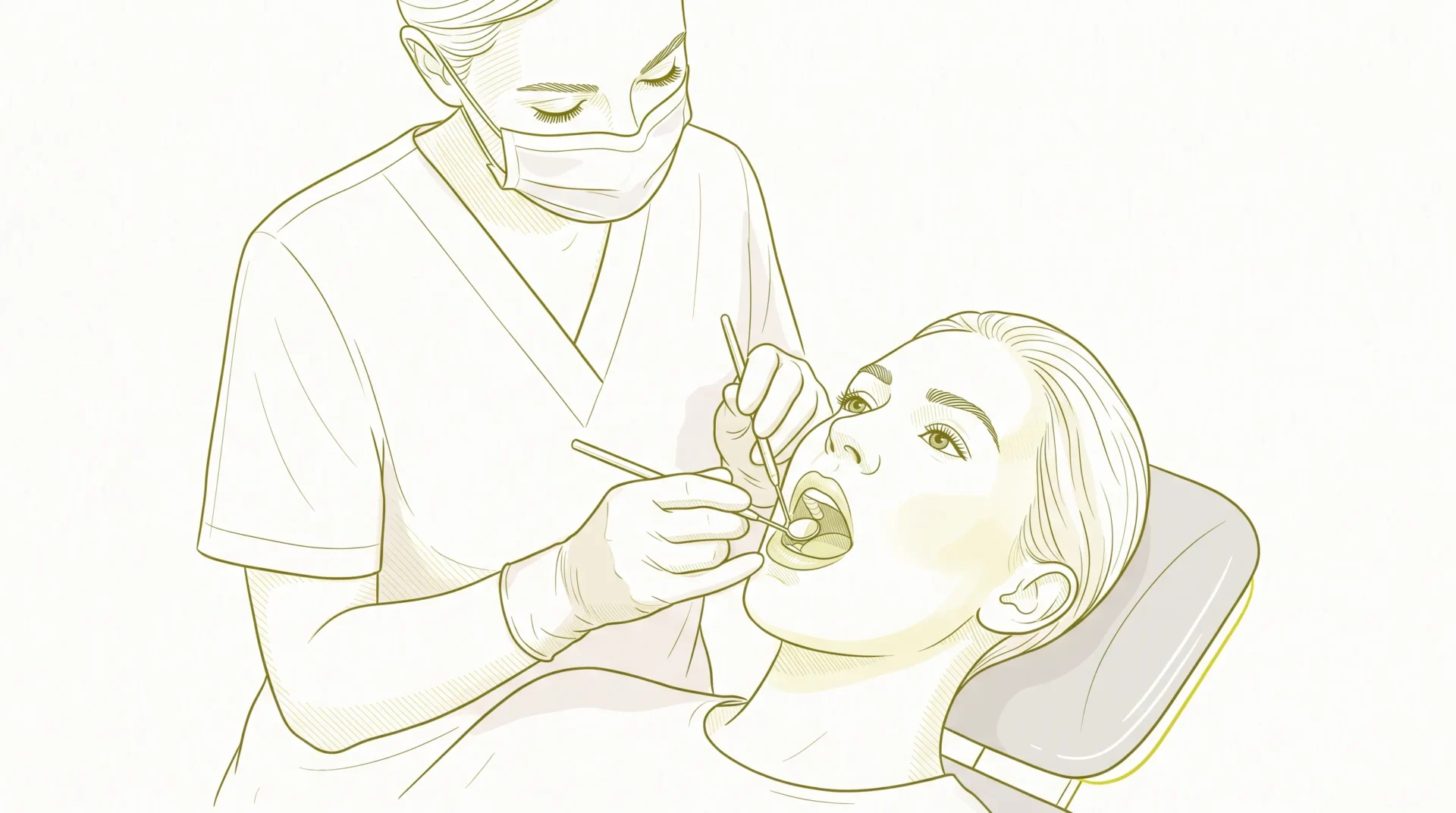
Most wisdom tooth removal is planned with some form of anaesthetic. Local anaesthetic is commonly used to numb the area being treated. You may still feel pressure or movement, but the aim is to reduce pain sensation during the procedure.
Depending on the complexity of the tooth, your level of anxiety, your medical history and the number of teeth involved, sedation or general anaesthetic may be discussed. These options are not suitable for everyone and may require referral or treatment in a different clinical setting. Your dentist can explain what is available and whether another practitioner should be involved.
Sometimes a tooth looks straightforward on examination but more complex on X-ray. In other cases, the tooth may be close to the nerve that supplies sensation to the lower lip, chin and teeth. If risk appears higher, your dentist may recommend referral to an oral surgeon for further assessment.
Understanding risks, benefits and alternatives
Before you agree to treatment, your dentist should explain why removal is being considered and what may happen if the tooth is left in place. This is part of informed consent. You should have time to ask questions and consider the information.
Potential benefits of removing a problematic wisdom tooth may include reducing repeated gum inflammation, addressing infection or making the area easier to maintain. These outcomes vary, and removal is not always the right choice for every patient.
All dental procedures carry potential risks and benefits. Risks of wisdom tooth removal can include pain, swelling, bruising, bleeding, infection, dry socket, jaw stiffness, damage to nearby teeth or fillings, sinus-related issues for upper wisdom teeth and altered sensation or numbness when nerves are involved. Numbness is often temporary, but in some cases it may persist.
Balanced wisdom dental care also includes alternatives. These may include monitoring, improving cleaning around the area, treating gum inflammation, antibiotics when clinically appropriate or referral for another opinion. Antibiotics alone usually do not solve a mechanical problem such as a partly trapped tooth, but they may be used in selected circumstances.
How to prepare before your appointment
Your preparation depends on the planned procedure and anaesthetic. If removal is expected under local anaesthetic, your dentist may give different instructions than if sedation or general anaesthetic is planned. Always follow the specific advice given to you.
Before the appointment, it can be useful to write down your medicines, allergies, medical conditions and any previous problems with dental anaesthetic. If you have dental X-rays from another clinic, ask whether they should be sent through before your visit.
You may also want to ask about fees, item numbers, health fund claiming and payment options before treatment begins. Toorak Village Dental Care offers interest-free payment plans, and the team can explain administrative details relevant to your proposed treatment without pressuring you into a decision.
Practical wisdom dental care before removal may also involve planning transport, time away from work or study and food for the first few days after treatment. If sedation or general anaesthetic is involved, you will usually need someone to take you home and stay with you for a period afterwards. Your dentist or treating team will provide instructions based on your situation.
What happens if removal is booked for another day?
It is common for the assessment and removal to occur on separate days, especially when imaging is needed, infection needs to settle first, the tooth is complex or you want time to consider the information. A separate appointment can also give you time to organise support at home, review costs and ask follow-up questions.
Before the removal appointment, you should receive instructions about eating, drinking, medicines and what to expect afterwards. These instructions may vary depending on the anaesthetic and the complexity of treatment.
Aftercare matters because the socket, which is the space left after the tooth is removed, needs time to form a clot and heal. If you want to plan meals ahead, this guide to what to eat and avoid after a tooth extraction covers soft foods, hydration and ways to protect the healing area.
Questions to ask before wisdom tooth removal
You do not need to know dental terminology to ask useful questions. Clear questions can help you understand the recommendation and decide whether you feel ready to proceed.
Consider asking:
- Why is removal being recommended in my case?
- What did the X-ray show about the tooth and nearby structures?
- Are there alternatives to removal, including monitoring?
- What risks are most relevant to my tooth position and health history?
- What type of anaesthetic may be suitable, and why?
- How should I prepare before the appointment?
- What should I do if symptoms worsen before the planned treatment date?
Your dentist should answer in plain language and explain when uncertainty remains. Treatment suitability depends on your oral health, medical history, anatomy, symptoms, preferences and the clinical findings.
Frequently asked questions
Do all wisdom teeth need to be removed? No. Some wisdom teeth come through normally, can be cleaned and may be monitored. Removal is usually considered when there are symptoms, disease, repeated inflammation or a risk to neighbouring teeth. A dental assessment is needed before a recommendation can be made.
Will I need an X-ray before wisdom tooth removal? Often, yes. X-rays help the dentist assess the tooth roots, angle, nearby teeth and important structures such as nerves or sinuses. The type of imaging depends on the clinical situation.
Can wisdom tooth removal be done at the first visit? Sometimes it may be possible, but not always. If imaging, infection control, medical information, referral or more planning is needed, removal may be booked for another day.
What if I am nervous about the procedure? Tell your dentist early. Good wisdom dental care includes discussing your concerns, explaining options, taking breaks where appropriate and planning an approach that suits your needs and clinical situation.
How much does wisdom tooth removal cost? Costs vary depending on the number of teeth, complexity, X-rays, anaesthetic, whether referral is needed and any health fund arrangements. Ask for a written estimate before treatment so you can make an informed decision.
When to arrange an assessment in Toorak
If your wisdom tooth is painful, swollen, difficult to clean or repeatedly inflamed, a dental examination can help determine the cause and which options may be appropriate. You do not need to decide on removal before speaking with a dentist.
To discuss wisdom tooth concerns, you can arrange an assessment with Toorak Village Dental Care in Toorak. Your dentist can review your symptoms, examine the area, explain the imaging findings and talk through the potential benefits, risks and alternatives based on your individual circumstances.
Disclaimer
The information provided on this website is for general informational and educational purposes only. It is not intended to replace professional dental advice, diagnosis or treatment. Dental needs and treatment outcomes vary between individuals. Always seek advice from a qualified dental practitioner regarding your specific circumstances before making decisions about your oral health or treatment. A consultation and clinical assessment are required to determine which treatment options may be suitable for you. All dental procedures carry potential risks and benefits, which will be discussed with you before treatment.