

Yes, you can often bring a friend to a dental appointment, but check with the practice before you arrive. Whether your dental friend can sit beside you in the treatment room depends on the procedure, available space and clinical requirements. They may be able to join the discussion, wait nearby or help you get home afterwards.
If you would feel more comfortable with someone you trust present, mention this when booking. You can also explain whether you need reassurance, help communicating or practical support.
Can your friend stay in the treatment room?
Bringing someone to the practice and having them present during treatment are two different arrangements. Reception staff can help clarify what may be possible for your appointment.
A consultation may allow more opportunity for a companion to participate than a procedure requiring clear access around the dental chair. Your friend may need to move or leave the room during X-rays or particular stages of treatment so staff can follow safety requirements.
Ask whether they can join the initial conversation and return when the dentist explains the findings. This can be a useful alternative if staying throughout the appointment is not possible.
How a dental friend can support you
A familiar person may help you feel more settled, particularly if you have had an uncomfortable dental experience or find healthcare appointments stressful. Their presence does not guarantee that anxiety will disappear, but it can be one part of a plan discussed with your dentist.
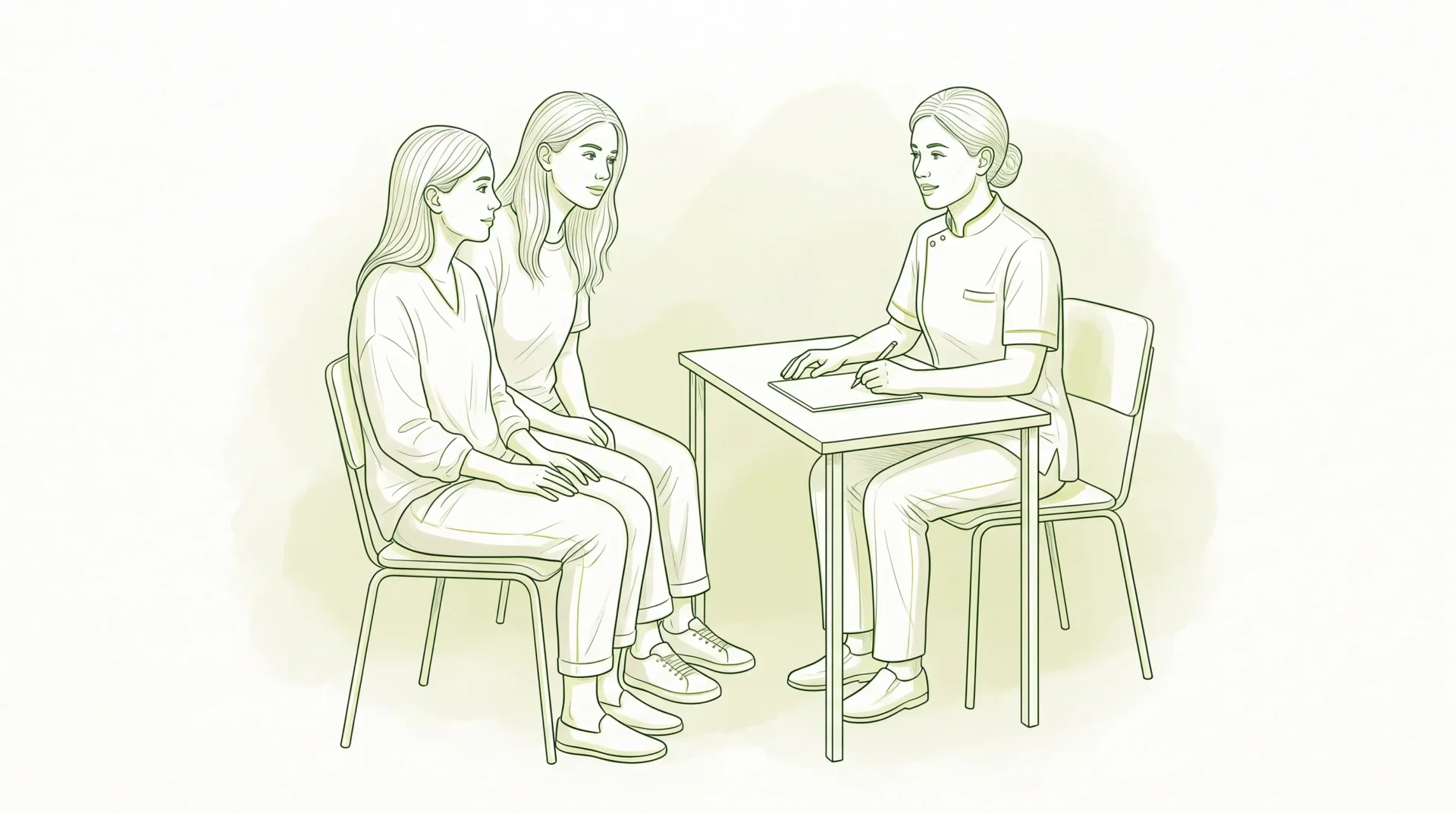
Before the visit, agree on what you would like them to do. You might want them to listen quietly, remind you of questions or take notes when treatment options are explained. Some people prefer their companion to help start the conversation, then let them speak for themselves.
Your dental friend should support your preferences rather than answer every question or encourage treatment you have not chosen. The dentist still needs to hear directly from you wherever possible.
Other approaches, such as agreeing on a hand signal for a pause and asking for explanations before treatment, can also be discussed. Our guide to gentle dental care for nervous patients explains these communication options in more detail.
Privacy and consent remain yours
Having someone beside you does not remove your right to privacy. Tell the dentist whether you are comfortable discussing your medical history, oral health findings, treatment choices and costs in front of your companion.
You can ask for part of the appointment to take place privately, even if your friend has attended previous visits. The dentist may also suggest speaking with you alone to check your preferences or discuss sensitive information.
The Australian Charter of Healthcare Rights recognises privacy and participation in healthcare decisions, including involving people you choose in planning and decision-making. This does not mean a companion can remain in every clinical setting regardless of safety requirements.
For an adult who can make their own healthcare decisions, a dental friend does not provide consent on their behalf. Being present also does not automatically authorise the practice to share records or discuss future care with that person. Tell the team what information, if any, you want shared.
What to check when booking
Contact the practice rather than assuming arrangements will be the same as at another clinic. You do not need to share every personal detail with reception, but explaining the support you need can help the team plan appropriately.
Useful questions include:
- Can one support person join me for the consultation or examination?
- Are there parts of the appointment when they will need to wait outside?
- Can they help me take notes or ask questions, with my permission?
- Do I need an escort home or supervision afterwards for the treatment being considered?
If you are travelling from South Yarra, Armadale or elsewhere in Melbourne, confirming these details beforehand can help you organise transport and your companion’s time.
It may also help to prepare a short list of concerns, medicines and questions. Our article on how to prepare for a dentist appointment covers the practical information worth bringing.
Let the team know if your dental friend needs to leave by a particular time. Appointment lengths can vary, so avoid relying on them for transport without checking the expected arrangements.
A support person is not always the same as an escort
Someone who comes for reassurance may have a different role from an adult responsible for taking you home after treatment.
If sedation or a general anaesthetic is planned, the treating team will provide specific instructions about transport and supervision. These medicines can affect alertness and coordination. Do not assume you can drive yourself home or that travelling alone in a taxi meets the discharge requirements.
Ask what your escort needs to do, how long they may need to stay with you and whether they must attend any discussion before discharge. Confirm the arrangements with the provider carrying out the procedure, rather than relying on general advice.
For other dental appointments, an escort may not be required. The answer depends on the treatment, medicines used and your individual circumstances. Having a friend available does not replace an assessment of whether a procedure is suitable for you.
Children, carers and communication support
For a child’s appointment, ask who should attend and how a parent or carer can participate. A familiar adult may provide reassurance, but a family friend does not automatically have authority to consent to treatment. The practice needs to establish appropriate consent arrangements, taking the child’s age, maturity and circumstances into account.
Adults who need help with communication, mobility or understanding information should explain those needs when booking. A support person can assist without taking over decisions the patient can make themselves.
If language is a barrier, ask about suitable interpreter arrangements. Your dental friend may be helpful for everyday conversation, but discussing medical history, risks and consent can require a qualified interpreter. Do not assume a friend or relative can accurately interpret every clinical detail.
Frequently asked questions
Can I bring someone if I am not anxious? Yes, you can ask. You may want help remembering information, discussing options or organising transport. Treatment-room access still needs to be confirmed with the practice.
Can my friend ask the dentist questions? With your permission, they can help clarify information or raise questions you have agreed on. The dentist should still address you directly and check your understanding and preferences.
Can my friend record the appointment? Ask before making any audio or video recording. The dentist and anyone else involved need to agree, and the practice may have a recording policy. Written notes may be a simpler option.
What if I cannot bring anyone? Tell the team what support you were hoping for. You can ask about explanations, pauses and written information. If an escort is required for planned treatment, contact the provider beforehand to discuss the arrangements.
Discuss support arrangements before your visit
To ask about bringing a friend to Toorak Village Dental Care, contact the team before your appointment. Explain what support would be useful and confirm when your companion may be able to join you.
You can also prepare questions to ask about your dental health so the conversation focuses on your concerns, available options and what you need to make an informed decision.
Disclaimer
The information provided on this website is for general informational and educational purposes only. It is not intended to replace professional dental advice, diagnosis or treatment. Dental needs and treatment outcomes vary between individuals. Always seek advice from a qualified dental practitioner regarding your specific circumstances before making decisions about your oral health or treatment. A consultation and clinical assessment are required to determine which treatment options may be suitable for you. All dental procedures carry potential risks and benefits, which will be discussed with you before treatment.