

Tooth sensitivity often feels like a short, sharp twinge when you drink something cold, eat something sweet or brush a particular area. It can happen when the protective covering of a tooth is worn or the gums have receded. However, decay, a crack or a damaged filling can cause similar discomfort.
Arrange a dental appointment if sensitivity is new, keeps returning, affects one tooth or interferes with eating and drinking. Pain that lingers, occurs without a trigger or comes with swelling needs more prompt assessment. The pattern of your symptoms can provide clues, but it cannot confirm the cause on its own.
What does tooth sensitivity feel like?
Typical sensitivity is triggered by something touching the tooth, such as cold water, hot food, sweet foods or cool air. The discomfort usually settles soon after the trigger is removed.
Under the enamel covering the visible part of a tooth is dentine, a layer containing tiny channels that communicate with the tooth’s inner tissue. This inner tissue, called the pulp, contains nerves and blood vessels. When dentine becomes exposed, temperature changes and other stimuli can trigger discomfort.
Tooth roots do not have the same enamel covering as the crown. If gums recede, the exposed root surface can become sensitive too.
The Australian Dental Association’s information on tooth sensitivity explains this connection between exposed dentine and common triggers. A dentist still needs to rule out other causes before treating the problem as straightforward sensitivity.
Common causes of sensitive teeth
Gum recession and gum disease
Gum recession means the gum edge has moved away from its original position, exposing more of the tooth or its root. It can occur for several reasons, including gum disease and repeated trauma to the gum area.
You might notice that a tooth looks longer or feels sensitive near the gumline. Recession does not automatically mean you have gum disease, but bleeding, swelling or persistent bad breath should also be assessed. Our guide to bleeding gums when brushing explains why these symptoms deserve attention.
Enamel wear and acidic exposure
Acid can gradually soften and wear away tooth surfaces, a process called dental erosion. Frequent exposure to soft drinks, sports drinks, citrus drinks or other acidic foods can contribute. Stomach acid from reflux or repeated vomiting can also affect teeth.
Brushing forcefully, particularly when tooth surfaces have been softened by acid, can add to wear. Grinding or clenching may also contribute to tooth wear, although sensitivity alone does not establish that either is happening.
The cause matters because changing toothpaste will not address ongoing acid exposure or another source of damage by itself.
Decay, cracks and damaged fillings
Tooth sensitivity can also occur when decay or a crack allows irritation deeper within a tooth. A worn, loose or damaged filling may leave an area vulnerable.
Discomfort when biting, pain as you release your bite or symptoms concentrated in one tooth should be checked. A crack is not always visible in the mirror, and early decay may not be obvious either.
These symptoms do not necessarily mean you need extensive treatment. An examination helps determine whether there is damage and which options are appropriate.
Recent dental treatment or whitening
Some people experience temporary sensitivity after a filling, professional cleaning or teeth whitening. The reason and expected recovery depend on the procedure and the condition of the tooth beforehand.
Do not assume that severe, worsening or lingering pain is an expected part of recovery. Contact the treating dentist so they can advise whether a review is needed.
If sensitivity begins during whitening, stop using the whitening product and seek advice before continuing. If you are considering whitening, our guide to questions to ask about teeth whitening covers suitability, sensitivity and other limitations worth discussing first.
When should you see a dentist?
Book an assessment for tooth sensitivity that is new, recurrent or not improving, especially if you cannot identify an obvious trigger. There is no need to wait until the pain becomes severe.
The following patterns can help you decide how promptly to seek care. They are not a way to diagnose the problem yourself.
| Symptom pattern | Suggested next step |
|---|---|
| Brief discomfort with cold or sweet foods that keeps returning | Arrange a dental appointment to identify the cause. |
| Sensitivity focused on one tooth, pain when biting or a visible chip | Contact a dentist for a timely assessment. |
| Pain that lingers after hot or cold, occurs spontaneously, disrupts sleep or is worsening | Contact a dentist promptly and describe the symptoms when booking. |
| Tooth pain with swelling, fever, discharge or a bad taste | Seek urgent dental assessment. |
Symptoms such as lingering or spontaneous pain may involve inflammation inside the tooth rather than exposed dentine alone. Healthdirect’s guidance on toothache outlines common causes and when professional care is needed.
Seek emergency medical care for difficulty breathing or swallowing, rapidly spreading facial or neck swelling or swelling around the eye. Call 000 if breathing is affected or the situation appears life-threatening.
What you can do while waiting for an appointment
For mild, brief tooth sensitivity, gentle daily care may reduce irritation while you arrange an assessment. Home care should not replace a check for persistent symptoms.
- Brush gently twice a day: Use a soft-bristled toothbrush and fluoride toothpaste. Spit out excess toothpaste rather than rinsing it away immediately.
- Consider a sensitivity toothpaste: Follow the product directions. Different formulations work differently, and some need consistent use over several weeks before you notice improvement.
- Limit repeated acidic exposure: Avoid sipping acidic drinks throughout the day. After acidic food, drinks or reflux, rinse with water and avoid brushing immediately afterwards.
- Avoid known triggers temporarily: Choose lukewarm drinks if cold or hot drinks hurt, and pause whitening until you have advice.
Keep cleaning the affected area gently rather than leaving it unbrushed. Plaque build-up can create additional dental and gum problems.
Do not repeatedly test the tooth with ice or very hot drinks. Note what triggers the discomfort, how long it lasts and whether it affects one tooth or several. This information is more useful than trying to reproduce the pain.
What a dental appointment may involve
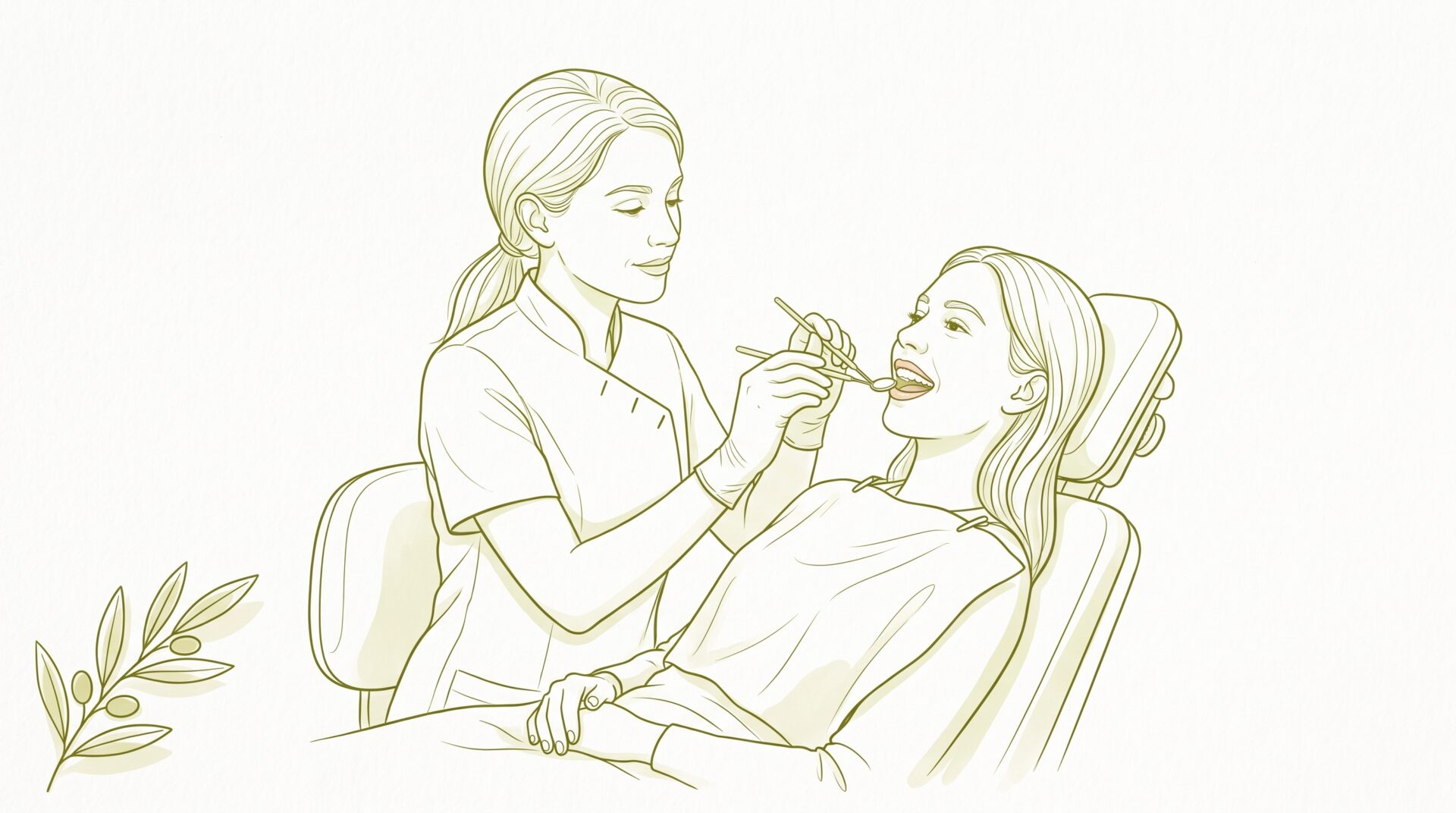
Your dentist will usually ask when the discomfort started, what triggers it and how quickly it settles. Mention any recent treatment, whitening, reflux, grinding concerns or changes to your brushing routine.
The examination may include checking your teeth and fillings, assessing the gums and looking for worn surfaces or cracks. Your dentist may gently test individual teeth or check how your teeth meet when you bite. X-rays may be recommended if they would help investigate decay or another suspected problem; they are not automatically necessary for every sensitive tooth.
Let the dentist know which areas hurt before the examination starts. If you feel anxious, you can discuss pauses and how the assessment will proceed. Our guide to preparing for a dentist appointment explains what information to bring and questions you may wish to ask.
How tooth sensitivity may be treated
Treatment depends on the cause, your oral health and your individual circumstances. Not every sensitive tooth needs a filling or another procedure.
When exposed dentine is the cause
Your dentist may suggest a desensitising toothpaste, professionally applied fluoride or a product that helps seal exposed areas. Changes to brushing technique and acidic exposure may also be recommended.
These measures may reduce discomfort, but their effect varies. Relief can take time, and symptoms may return if the underlying cause continues. If gum disease is present, it needs its own assessment and management rather than sensitivity treatment alone.
When another dental problem is found
Decay, a damaged filling or a crack may require repair. The extent and location of the problem determine whether a filling, another restoration or a different approach is appropriate.
Root canal treatment is not a routine treatment for sensitivity. It may be considered when examination and testing identify significant inflammation or infection in the pulp and the tooth is suitable for that treatment.
All dental procedures carry potential benefits and risks. Restorative treatment can cause temporary sensitivity, and further treatment may sometimes be needed. Ask your dentist to explain the likely benefits, limitations, costs and alternatives, including whether monitoring is reasonable in your situation.
Frequently asked questions
Does sensitivity mean I have a cavity? Not necessarily. Exposed dentine, gum recession and recent dental treatment can also cause discomfort. A cavity is one possible cause, particularly when symptoms affect one tooth, but an examination is needed to distinguish between them.
Can sensitive teeth get better on their own? Some temporary sensitivity settles, particularly after certain dental procedures. Sensitivity related to exposed dentine may improve with appropriate care. However, waiting will not repair decay or a crack, so persistent or recurring symptoms should be checked.
How long should I try sensitivity toothpaste? Follow the product directions, as some formulations need several weeks of regular use. Do not wait for toothpaste to work if you have severe or worsening pain, pain when biting, swelling or discomfort that lingers after a trigger is removed.
Should I stop brushing a sensitive tooth? Continue cleaning it gently with a soft toothbrush and fluoride toothpaste. Avoid scrubbing. If brushing is difficult because of pain, contact a dentist for advice rather than leaving the area uncleaned.
Is sensitivity after whitening normal? Sensitivity is a recognised possible side effect of whitening, but its severity and duration vary. Pause the product and speak with a dentist if symptoms develop, particularly if they are strong, persistent or limited to one tooth.
Discuss your symptoms with a dentist in Toorak
If sensitive teeth are affecting your meals or daily routine, an examination can help identify the cause and clarify your options. You can contact Toorak Village Dental Care in Toorak, Melbourne, to arrange an assessment and discuss care suited to your circumstances.
Disclaimer
The information provided on this website is for general informational and educational purposes only. It is not intended to replace professional dental advice, diagnosis or treatment. Dental needs and treatment outcomes vary between individuals. Always seek advice from a qualified dental practitioner regarding your specific circumstances before making decisions about your oral health or treatment. A consultation and clinical assessment are required to determine which treatment options may be suitable for you. All dental procedures carry potential risks and benefits, which will be discussed with you before treatment.