

If you feel tense before a dental appointment, gentle dental care should mean more than a softer tone of voice. It should involve clear communication, practical comfort measures, respect for consent and a treatment plan that reflects your oral health, medical history and preferences.
For nervous patients in Toorak and nearby Melbourne suburbs, understanding what gentle care looks like can make it easier to book an appointment, ask questions and stay involved in decisions about treatment.
What gentle dental care means in practice
Gentle dental care is an approach to treatment, not a single technique. It is the way a dental team communicates, plans, examines and adapts care so the patient can feel more informed and less overwhelmed.
For someone who feels nervous, gentle care may include:
- Being able to explain what worries you before treatment starts
- Having the appointment paced in a way that feels manageable
- Knowing you can ask for a pause
- Receiving plain-language explanations before any procedure begins
- Being offered appropriate comfort measures where clinically suitable
- Having treatment options, risks, benefits and alternatives explained clearly
This does not mean avoiding necessary care forever or promising that dentistry will never involve discomfort. Some procedures can feel uncomfortable even with careful planning. Gentle care is about reducing avoidable stress, checking consent and making sure recommendations are based on your individual needs rather than assumptions.
It also means avoiding judgement. Many people delay dental visits because they feel embarrassed about their teeth, worry about costs or have had a difficult appointment in the past. A constructive dental visit focuses on what is happening now, what options may be appropriate and what you feel ready to discuss.
Why dental visits can feel stressful
Dental anxiety can come from many places. For some people, it is linked to a past experience. For others, it is the sound of instruments, fear of needles, a sensitive gag reflex, uncertainty about costs or not knowing what the dentist will find.
Feeling nervous does not mean you are being difficult. It gives your dentist useful information about how to communicate with you and what may need extra care during the appointment.
| Common concern | How gentle care may help |
|---|---|
| Fear of discomfort | Discussing local anaesthetic, breaks and what sensations to expect |
| Feeling out of control | Agreeing on a stop signal and explaining each stage before proceeding |
| Embarrassment | Keeping the conversation focused on care, not blame |
| Sensitive gag reflex | Adjusting positioning, pacing and instruments where possible |
| Worry about cost | Explaining findings, priorities and payment options before treatment begins |
| Previous difficult experience | Taking time to understand what happened and what could be handled differently |
If anxiety is significant, it is worth telling the dental team when you book or at the start of the appointment. You do not need to give a long explanation if you prefer not to. A simple sentence such as, I get nervous at the dentist and need things explained slowly, can be enough to guide the appointment.
What a gentle dental appointment may involve
A first appointment for a nervous patient often starts with conversation. Your dentist may ask about your dental history, medical history, medications, symptoms and what you are hoping to address. This is also a good time to mention specific triggers, such as injections, sounds, lying back too far or needing frequent pauses.
During an examination, your dentist may check your teeth, gums, bite, jaw joints and soft tissues. Dental X-rays may be recommended if they are needed to assess areas that cannot be seen directly. Your dentist should explain why an X-ray is being considered and how it relates to your care.
For nervous patients, communication can make a noticeable difference. Some people prefer detailed explanations before each action. Others prefer a brief summary and fewer details during the examination. There is no single correct preference, so it is reasonable to say what helps you.
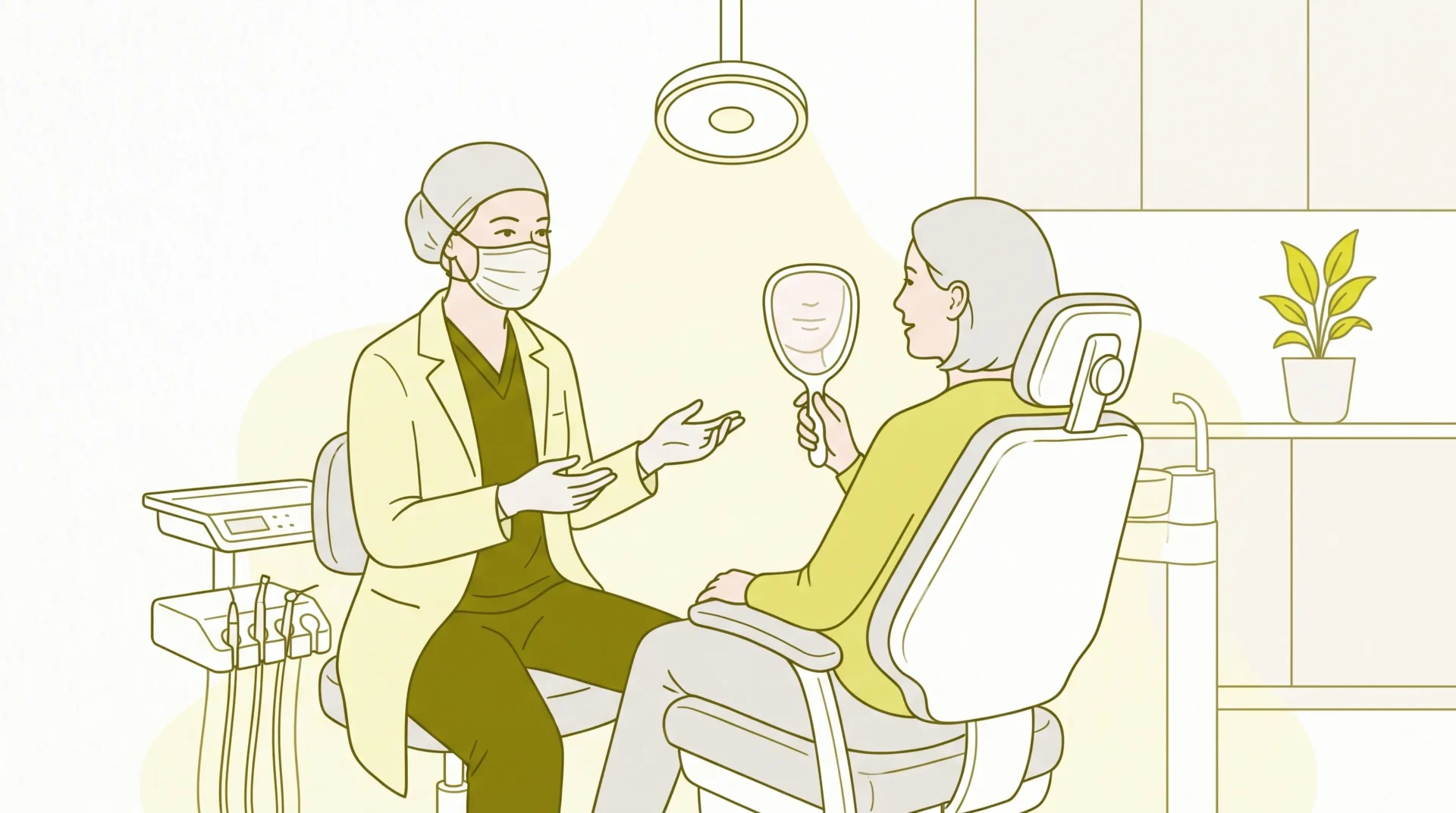
A gentle approach may use a simple talk, stop, check pattern. The dentist explains what is about to happen, you agree on a way to pause if needed, then the dentist checks how you are going before continuing. This can be useful during general dental care, emergency appointments and cosmetic consultations.
If treatment is needed, you should be given time to understand the diagnosis and the available options. All dental procedures carry potential benefits and risks, and suitability depends on factors such as oral health, medical history, anatomy, symptoms and treatment goals. In many situations, there may be more than one reasonable option, including monitoring, preventive care, staged treatment or referral where appropriate.
Comfort measures nervous patients can discuss
Comfort planning is not about making unrealistic promises. It is about identifying what may help you tolerate care more comfortably and safely.
Depending on the appointment and your clinical needs, this may include explaining sensations before they happen, using local anaesthetic when appropriate, taking short breaks, adjusting chair position or splitting treatment into shorter visits. Some patients also find it helpful to bring headphones, practise slow breathing or arrange an appointment time when they feel less rushed.
Modern equipment and careful diagnosis may also support a calmer experience by helping the dentist plan treatment more precisely. Toorak Village Dental Care has also written about how advanced dentistry can make visits more comfortable through clearer information, improved planning and patient communication.
If sedation or a more advanced anxiety management option is something you are considering, ask the dentist what is available, what the risks and benefits are and whether referral may be appropriate. Not every option is suitable for every patient, particularly where there are medical conditions, medications, pregnancy considerations or other risk factors.
Cost can also affect anxiety. A gentle approach includes discussing likely fees before treatment begins where possible and helping you understand which care is urgent, which may be planned and which is optional. Toorak Village Dental Care offers payment plans, and your dentist can discuss whether this may be relevant to your circumstances before treatment proceeds.
Gentle care for children, adults and older patients
Nervousness can look different at different ages. A child may become quiet, clingy or restless. A teenager may avoid appointments because they feel embarrassed. Adults may push through anxiety without mentioning it, then delay the next visit. Older patients may have extra concerns about medical conditions, medications, dry mouth, dentures or past dental experiences.
For children, gentle care often starts before they arrive. Calm, simple explanations from a parent or carer can help set expectations without adding pressure. If you are planning a child’s early appointment, this guide to preparing your child for their first dental visit explains practical ways to talk about the visit in everyday language.
For adults, gentle care may involve rebuilding trust gradually. This might mean starting with an examination and discussion before deciding on treatment. For patients who have not attended for some time, the first visit does not need to solve everything at once. It can be used to understand what is happening and decide on priorities.
Older patients may benefit from extra time spent discussing medical history and medications, as these can influence gum health, dry mouth, healing and treatment choices. If a carer or family member is involved, consent and privacy should still be respected.
How to choose a dental clinic if you are nervous
If you are looking for a dentist in Toorak, South Yarra, Armadale, Prahran, Malvern, Hawthorn or nearby areas, the right fit is not only about location. Communication style matters, especially if you feel anxious.
Before booking, you may want to ask:
- Can I mention dental anxiety when I book?
- Will there be time to discuss my concerns before treatment?
- How will fees and treatment options be explained?
- Can the appointment be paused if I feel overwhelmed?
- Are shorter appointments or staged treatment plans possible where suitable?
Transparency can calm nerves because it replaces guessing with shared information. The same principle is familiar outside dentistry too: when a homeowner uses plumbing and drain cleaning services in Kingston, an inspection and upfront explanation of the cause can make decisions feel more informed. In dental care, the equivalent is being shown what the dentist has found, having options explained in plain language and being able to ask what happens if you delay or choose a different approach.
If you are comparing practices, this article on how to choose a dental clinic that suits your needs may help you think through communication, convenience, costs and the type of care you require.
When nervous patients should seek dental advice sooner
Gentle care also means being practical about symptoms. If you are anxious, it can be tempting to wait and hope the problem settles. Some dental issues do improve temporarily, but symptoms such as swelling, fever, facial swelling, dental trauma, uncontrolled bleeding, a knocked-out tooth or severe tooth pain should be assessed promptly.
If you are unsure whether to contact a dentist or a GP, Toorak Village Dental Care has a guide on knowing who to contact for tooth pain. In an emergency, call emergency services or attend an appropriate urgent care setting if symptoms suggest a serious medical issue.
Seeking advice early does not automatically mean you will need a major procedure. It gives a dentist the chance to assess the cause, explain options and discuss what may be appropriate for your circumstances.
Frequently asked questions
Can I book a dental appointment just to talk about my concerns? Many patients use an initial appointment to discuss symptoms, dental history and anxiety before deciding on treatment. The dentist may still recommend an examination to understand your oral health, but you can explain your concerns first.
Will the dentist judge me if I have not been for a long time? A dental appointment should focus on assessment, information and appropriate care. If you feel embarrassed, tell the dentist. Many people delay dental visits for personal, financial or anxiety-related reasons.
Can I ask the dentist to stop during treatment? Yes, you can ask about agreeing on a stop signal before treatment begins. This can help you feel more in control and gives the dentist a clear way to pause and check in.
Does gentle dental care mean treatment will not be uncomfortable? No dental practice should guarantee that treatment will be without discomfort. Gentle care aims to reduce avoidable stress, use appropriate comfort measures and explain what to expect, but experiences vary between patients.
Can treatment be done gradually if I am nervous? Sometimes treatment can be staged, depending on the diagnosis, urgency, oral health and your overall circumstances. Your dentist can explain which matters are time-sensitive and which options may be planned over multiple visits.
What should I tell the clinic before my appointment? It can help to mention anxiety, gag reflex concerns, past difficult experiences, medical conditions, medications and whether there are particular parts of dental care that worry you. You can share as much or as little detail as you feel comfortable providing.
Discussing gentle dental care in Toorak
If you are nervous about seeing a dentist, a calm first conversation can be a useful starting point. A dental examination can help determine the cause of your symptoms and which options may be appropriate, while giving you the chance to discuss comfort, costs, risks and alternatives.
Toorak Village Dental Care provides general, cosmetic, emergency and children’s dental care in Toorak. To discuss your concerns, you can arrange an appointment with the team and explain that you prefer a gentle, step-by-step approach before treatment is planned.
Disclaimer
The information provided on this website is for general informational and educational purposes only. It is not intended to replace professional dental advice, diagnosis or treatment. Dental needs and treatment outcomes vary between individuals. Always seek advice from a qualified dental practitioner regarding your specific circumstances before making decisions about your oral health or treatment. A consultation and clinical assessment are required to determine which treatment options may be suitable for you. All dental procedures carry potential risks and benefits, which will be discussed with you before treatment.