

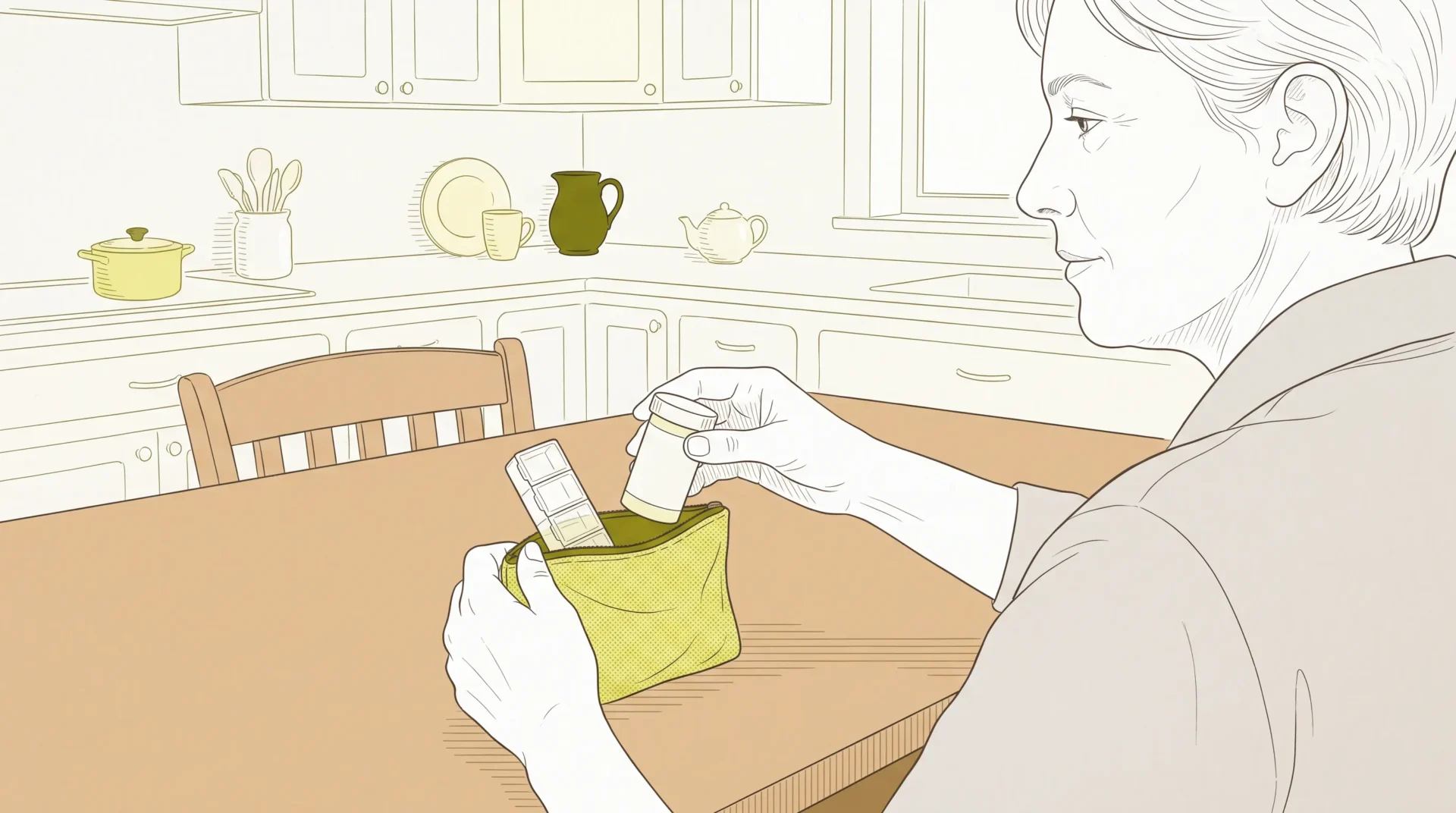
If you are searching for “dentist near me appointment” in Toorak, prepare three things before booking: the reason for your visit, an up-to-date list of medicines and any questions about fees or appointment arrangements. Once your booking is confirmed, check whether the clinic needs previous dental records or has specific instructions for your visit.
You do not need to have everything organised perfectly. The aim is to give the dental team useful information and avoid surprises on the day.
Explain why you need an appointment
When contacting reception, briefly describe what you need rather than simply requesting a check-up. A routine examination, a painful tooth and a cosmetic consultation may require different appointment arrangements.
If you have symptoms, explain where they are, when they started and whether they are changing. Mention swelling, a broken tooth or an injury when booking. You do not need to identify the cause yourself.
Symptoms that should not wait for a routine booking
Tooth pain with swelling, fever or a recent dental injury needs prompt professional advice. Our guide to when to seek urgent dental care in Toorak explains situations that may require earlier assessment.
Difficulty breathing or swallowing, or rapidly increasing swelling affecting the face or neck, requires emergency medical attention. Call 000 for a medical emergency. Healthdirect’s toothache guidance also explains when to seek urgent help.
Do not delay urgent care while collecting paperwork or waiting for your preferred appointment time.
From a “dentist near me appointment” search to a confirmed booking
A “dentist near me appointment” search can help you find local options, but it does not confirm that a suitable appointment is available. Before making plans around the visit, check the appointment type, date and time directly with the practice.
Ask whether the booking is for an assessment only or whether there may be time for treatment if clinically appropriate. An appointment does not necessarily include a clean, X-rays or treatment; these depend on your needs and what has been arranged.
If you are travelling from South Yarra, Armadale, Prahran or another nearby suburb, check the clinic’s address and your transport arrangements. Allow enough time for the journey and any requested paperwork, without assuming parking is available on site.
Let reception know beforehand if you need an interpreter, assistance with access or support completing forms. Ask what arrangements are available rather than assuming the clinic can accommodate every request without notice.
Put your important information in one place
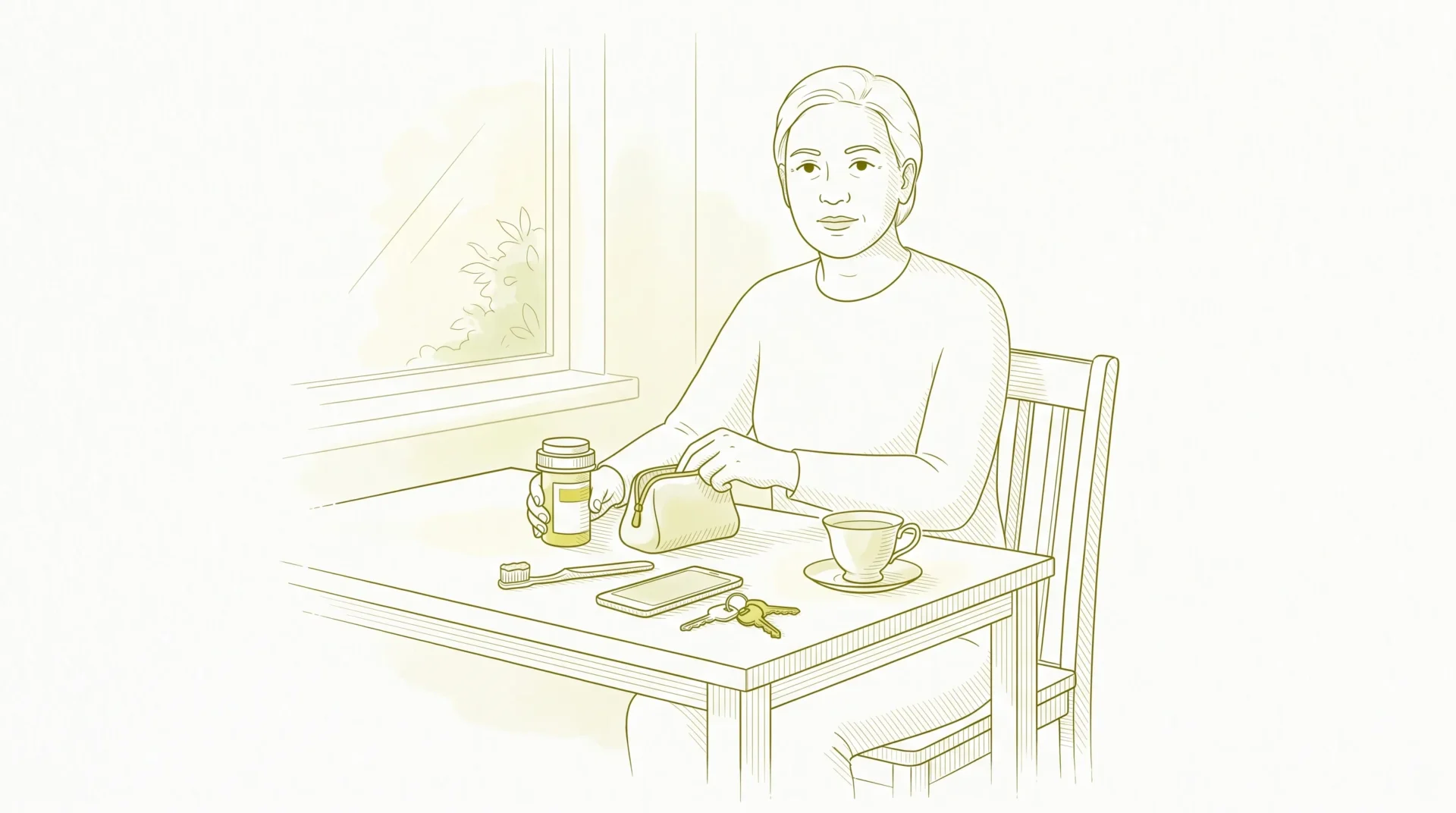
A small folder or a note on your phone can keep the essentials together. If you use your phone, make sure the information will be accessible during the appointment.
| What to prepare | Why it is useful |
|---|---|
| Current medicines, supplements and doses | Helps the dentist assess treatment considerations and possible interactions |
| Medical conditions, allergies and previous reactions | Provides context for planning your care |
| A short description of symptoms or concerns | Helps you explain what matters without relying on memory |
| Previous dentist’s contact details | Allows you to discuss obtaining relevant records |
| Private health insurance details, if applicable | Helps with enquiries about claiming arrangements |
| Questions about treatment and costs | Keeps the discussion focused on your priorities |
Include recent changes to your health, pregnancy or the possibility of pregnancy, previous surgery and any reactions to medicines or dental treatment. Tell the dentist if you take blood-thinning medicines or medicines for osteoporosis, as these can affect treatment planning.
Do not stop or change prescribed medicines yourself. If a change is needed, the treating clinicians should explain what to do.
Ask about previous records before the day
If your “dentist near me appointment” search has led you to a new practice, previous dental records may provide useful background. Ask whether relevant notes or X-rays should be transferred and how to authorise their release.
You do not need to obtain new X-rays before attending unless specifically instructed. Existing images may be useful, but further imaging may still be recommended if needed to assess your current oral health. Your dentist should explain the reason.
Missing records should not prevent you from contacting the clinic, particularly if you have pain or an injury.
Check food, medicines and comfort arrangements
For a routine dental examination, fasting is generally unnecessary unless you have been given specific instructions. Eat and drink as usual, and take prescribed medicines as directed by your treating clinician.
If a planned procedure involves sedation or other special preparation, follow the instructions provided for that procedure. Confirm any fasting, medication, escort or transport requirements before the day. Do not use general online advice in place of those instructions.
Brush gently as normal. There is no need to scrub harder, try a new whitening product or attempt to remove hardened deposits yourself before attending.
If dental visits make you anxious, tell reception when booking. Explain any triggers, such as sounds, reclining in the chair or previous experiences. You can ask to discuss pauses and a stop signal with the dentist. This helps the team understand your preferences, although available comfort measures and individual experiences vary.
Prepare questions about fees and treatment decisions
When comparing options from a “dentist near me appointment” search, ask what the initial consultation fee includes. An examination fee may not include X-rays, cleaning or other treatment, and the final cost can depend on what is clinically required.
Useful questions to have ready include:
- What is included in this appointment, and what could cost extra?
- If treatment is recommended, can I receive a written estimate before deciding?
- What are the benefits, risks and alternatives, including monitoring where appropriate?
- Which concerns need attention soon, and which can reasonably wait?
If you have private health insurance, ask for relevant item numbers where available so you can check your cover with your insurer. A fund’s contribution depends on your policy, limits and other conditions; an estimate is not a guarantee of a rebate.
You can also ask about payment arrangements and their terms before agreeing. Let the dentist know if costs may affect your choices so these can be considered in the discussion.
An examination is an opportunity to understand your oral health, not a commitment to every treatment discussed. Recommendations should reflect clinical findings, your medical history and your preferences. All procedures have potential benefits and risks, and outcomes vary between patients.
If you are preparing for a child’s appointment
Use a simple, neutral explanation, such as “The dentist will check your teeth and talk with us about looking after them.” Avoid promising that nothing will hurt or describing treatment that has not been planned.
Bring the child’s relevant medical information and tell the clinic about communication, sensory or support needs in advance. The practice’s children’s dentistry information provides context for arranging a visit.
If you plan to use the Child Dental Benefits Schedule, check eligibility and discuss covered services and consent requirements before treatment. The Australian Government’s Child Dental Benefits Schedule information explains the current requirements. Do not assume every appointment or service is covered.
Frequently asked questions
What if I have not visited a dentist for several years? Tell the team when booking and mention any current concerns. You do not need to apologise or prepare your teeth differently. The dentist can assess your current oral health and discuss appropriate next steps.
Should I bring my retainer, mouthguard or denture? Bring it if it relates to your concern or you would like its fit checked. If you are unsure, ask reception before the appointment.
Will I receive treatment at my first visit? That depends on the appointment booked, clinical findings, available time and your consent. Some visits focus on examination and planning. Ask beforehand if you are expecting a particular procedure.
Can I ask for a pause during an examination? Yes. Discuss how you would like to signal a pause before the examination begins. For more detail about communication and consent, see what happens during a dental appointment.
Arrange an appointment that matches your needs
To arrange an assessment in Toorak, contact Toorak Village Dental Care or use its online booking option. Include your main concern and ask about any preparation specific to your visit.
Disclaimer
The information provided on this website is for general informational and educational purposes only. It is not intended to replace professional dental advice, diagnosis or treatment. Dental needs and treatment outcomes vary between individuals. Always seek advice from a qualified dental practitioner regarding your specific circumstances before making decisions about your oral health or treatment. A consultation and clinical assessment are required to determine which treatment options may be suitable for you. All dental procedures carry potential risks and benefits, which will be discussed with you before treatment.